
Can Dogs Get Psoriasis? Our Vet Explains — Dogster
If you've noticed your beloved dog scratching persistently, developing scaly patches, or experiencing inflamed skin, you might wonder whether they could have psoriasis. Whilst psoriasis is a well-known skin condition in humans, many pet owners are surprised to learn that dogs cannot actually develop true psoriasis. However, dogs do experience several skin conditions that can mimic psoriasis symptoms, leading to confusion amongst owners. Understanding the difference between genuine psoriasis and these similar conditions is crucial for ensuring your dog receives the correct diagnosis and treatment.
Can Dogs Actually Get Psoriasis?
The short answer is no — dogs cannot develop true psoriasis as humans experience it. Psoriasis is an autoimmune condition specific to human skin, caused by a malfunction in the immune system that accelerates skin cell turnover. Whilst dogs do have autoimmune skin conditions, psoriasis as it exists in people does not occur in canines.
That said, veterinarians sometimes use the term "canine psoriasis" informally to describe certain skin conditions in dogs that produce similar visual symptoms. This terminology, whilst not technically accurate, helps owners understand their dog's condition in relatable terms.
Skin Conditions That Resemble Psoriasis in Dogs
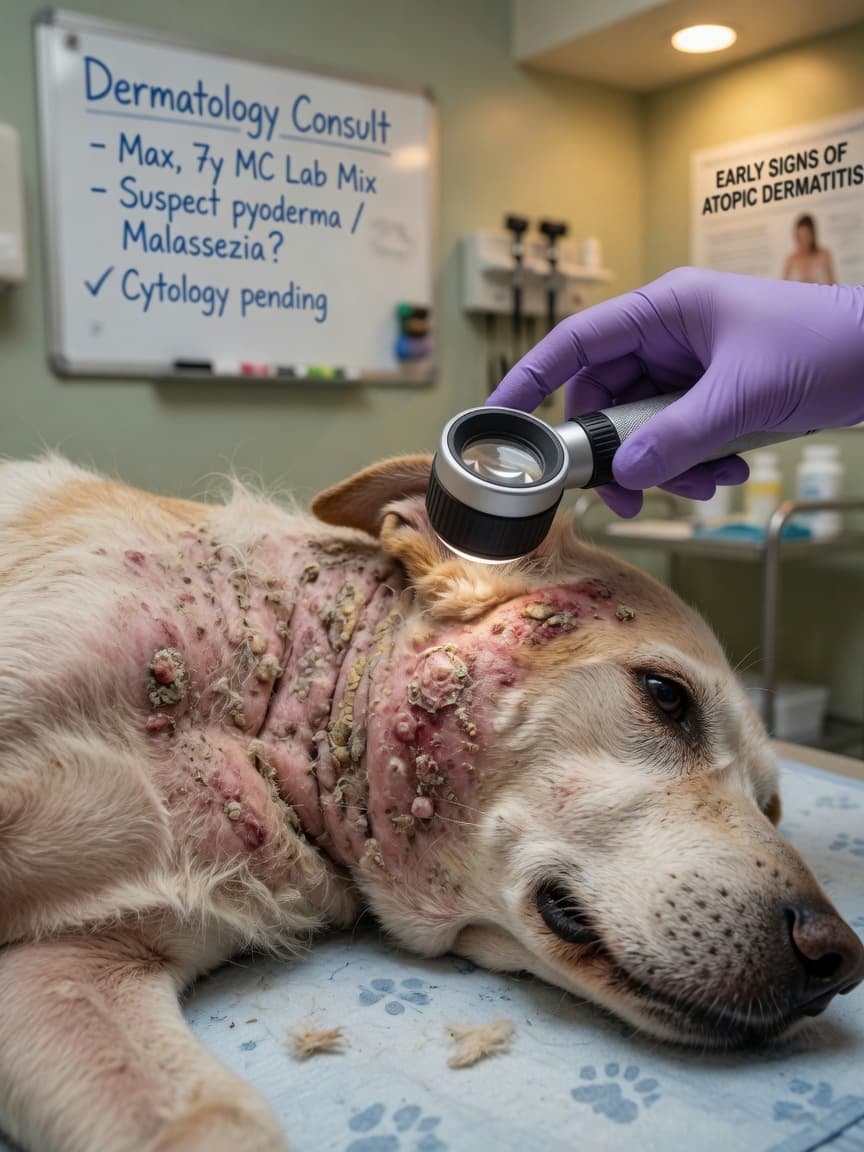
Several legitimate skin conditions in dogs can produce symptoms that closely resemble human psoriasis:
- Seborrhoea — A condition causing excess oil production, leading to greasy, scaly skin and an unpleasant odour
- Atopic Dermatitis — An inflammatory skin condition triggered by allergies to environmental factors like pollen or dust mites
- Contact Dermatitis — Inflammation resulting from direct contact with irritating substances such as certain shampoos or materials
- Lichenoid Keratosis — A benign skin condition that can cause raised, scaly patches
- Lupus Erythematosus — A systemic autoimmune condition that can affect the skin along with other organs
- Demodectic or Sarcoptic Mange — Parasitic infections caused by mites that create intense itching and skin damage
Identifying Psoriasis-Like Symptoms in Your Dog
Watch for these warning signs that your dog may have a skin condition requiring veterinary attention:
- Persistent scratching, licking, or chewing at the skin
- Red, inflamed patches or plaques
- Silvery or scaly appearance on affected areas
- Hair loss or thinning coat
- Unpleasant skin odour
- Crusting or oozing sores
- Visible discomfort or behavioural changes
If you notice any of these symptoms, scheduling a veterinary appointment is essential. Early intervention often prevents secondary infections and reduces your dog's discomfort.
Getting an Accurate Diagnosis
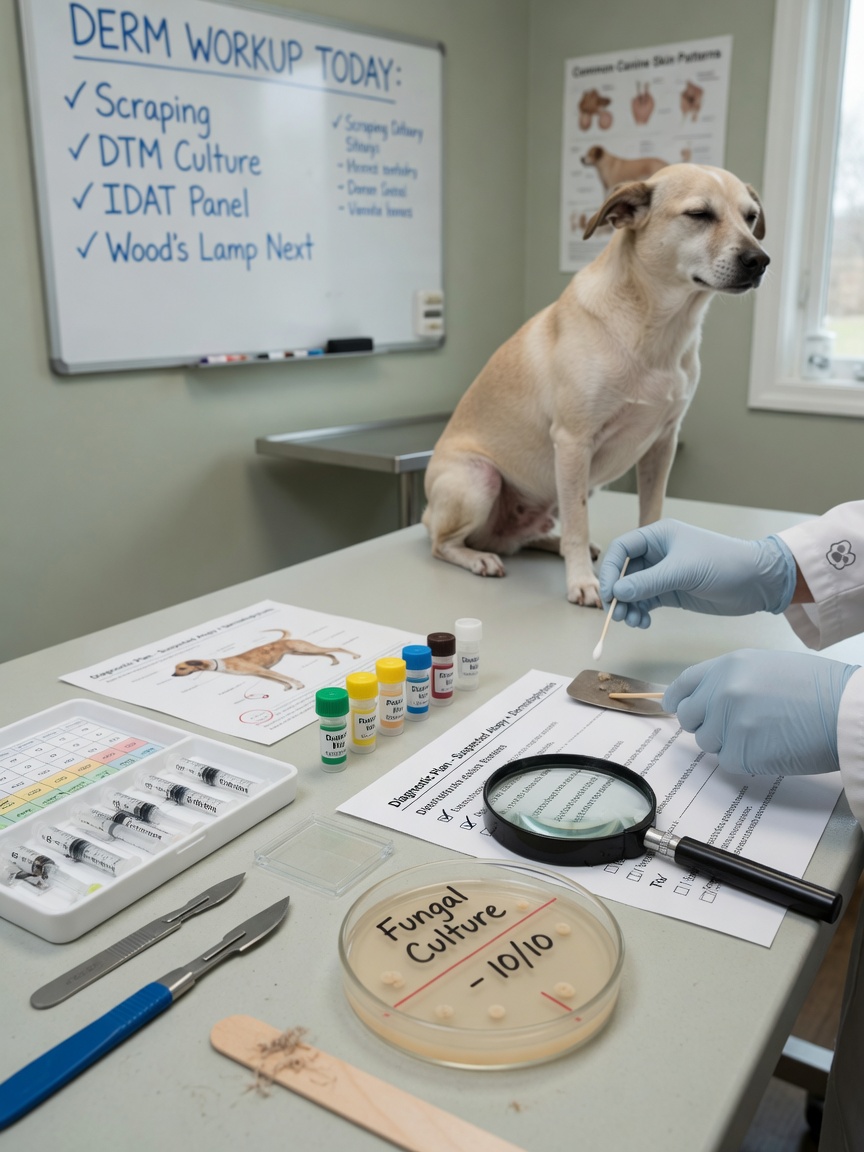
Your veterinarian will conduct a thorough examination to determine the actual cause of your dog's skin problems. Diagnostic methods may include:
- Visual examination and medical history review
- Skin scrapings to check for mites
- Fungal cultures to rule out ringworm
- Allergy testing if atopic dermatitis is suspected
- Skin biopsy for definitive diagnosis in complex cases
Accurate diagnosis is vital because treatment varies significantly depending on the underlying cause.
Treatment Options for Dog Skin Conditions
Treatment depends entirely on the specific condition diagnosed. Options may include medicated shampoos, topical treatments, oral medications, dietary modifications, or allergen management. Your vet will recommend the most appropriate approach for your dog's individual needs.
Key Takeaways
Whilst dogs cannot develop genuine psoriasis, they do experience several skin conditions with similar appearances. Rather than self-diagnosing, consulting your veterinarian ensures your dog receives appropriate care for their specific condition. With proper diagnosis and treatment, most canine skin issues respond well, restoring your dog's comfort and coat health. Early attention to any skin concerns prevents complications and keeps your furry friend happy and healthy.