
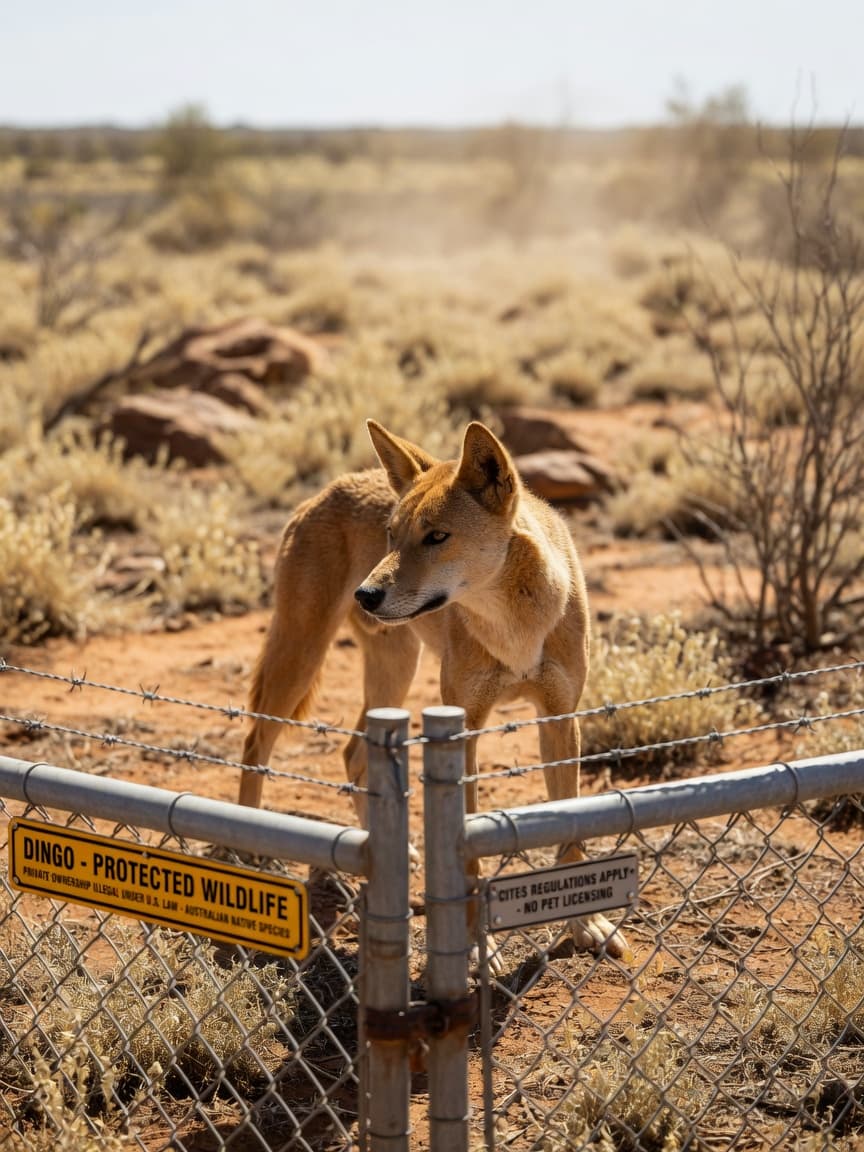
Can You Have a Dingo as a Pet in the US & Is It Legal? Laws By State in America
The thought of owning a dingo—Australia's iconic wild dog—might seem thrilling to exotic pet enthusiasts. However, before you consider bringing one of these fascinating creatures into your home, you need to understand the complex legal landscape surrounding dingo ownership in the United States. Unlike domesticated dogs, dingoes are wild animals with unpredictable behaviours, and most US states have strict regulations or outright bans on keeping them as pets. This comprehensive guide explores the legal status of dingoes across America and what you need to know before pursuing ownership.
What Is a Dingo, and Why Are They Challenging as Pets?
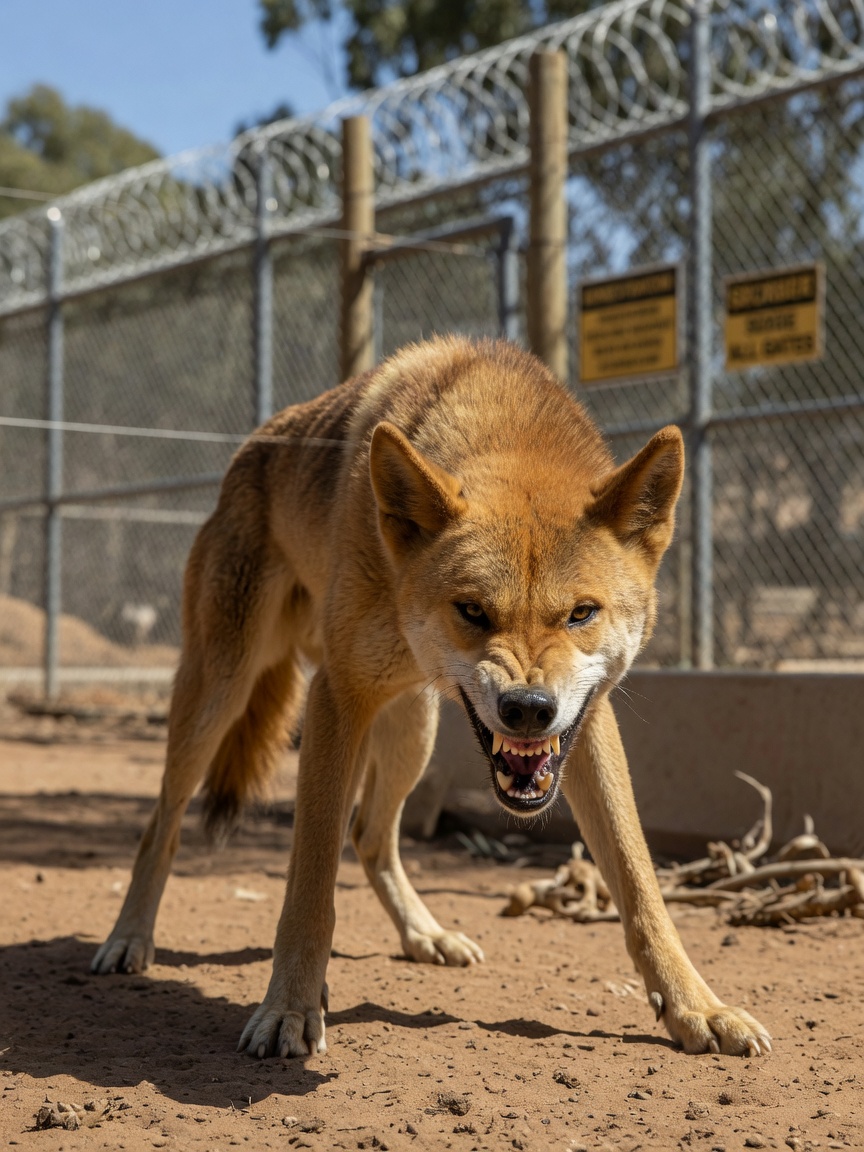
Dingoes are wild canines native to Australia, distinct from domestic dogs. They're highly intelligent and adaptable survivors, but they retain strong wild instincts including territorial aggression, prey drive, and pack mentality. Unlike dogs domesticated over thousands of years, dingoes haven't undergone selective breeding for human companionship. They're known for being escape artists, requiring substantial containment, and they can pose serious safety risks to humans and other pets. Understanding these biological realities is crucial before considering ownership.
Federal Regulations on Dingo Ownership
There is no blanket federal law prohibiting dingo ownership in the United States. However, the Animal Welfare Act and various wildlife protection regulations create a complex framework. Dingoes may be classified as non-native wildlife or exotic animals depending on your state's definitions. Some states regulate them under exotic pet laws, whilst others classify them as wild animals requiring specific permits. The lack of uniform federal guidelines means state and local regulations take precedence, creating a patchwork of rules across America.
State-by-State Legal Status
Most US states either prohibit dingo ownership entirely or impose severe restrictions:
- States with complete bans: California, Texas, Florida, and New York prohibit private ownership of dingoes without exception
- States requiring permits: Some states like Arizona and Colorado may allow ownership with special wildlife permits, though approval is rarely granted
- States with ambiguous laws: A few states lack specific dingo legislation, but this doesn't mean ownership is legal—wild animal restrictions typically apply
It's essential to check with your specific state's Department of Wildlife, Fish and Game, or equivalent agency. Local county and municipal ordinances may impose additional restrictions even where state law permits ownership.
Permit Requirements and Costs
In states where permits might be available, obtaining one is an extremely involved process. You'll typically need:
- Proof of appropriate containment facilities meeting wildlife standards
- Evidence of veterinary expertise and animal care knowledge
- Detailed enclosure plans with specifications
- Liability insurance coverage
- Payment of substantial permit fees (often £500–£2,000+ annually)
Even with these measures, many applications are rejected due to safety concerns and the impracticality of private ownership.
Finding Legal Alternatives
If you're passionate about dingoes or similar wild canines, consider legal alternatives. Many sanctuaries and wildlife centres offer volunteer opportunities or educational programmes. Some states allow ownership of domesticated dog breeds with wolf-like appearances, though these require responsible ownership and proper training. Visiting wildlife parks and zoos provides closer encounters with dingoes within appropriate settings.
Key Takeaways
Dingo ownership in the United States is heavily restricted and illegal in most states. Before pursuing ownership, always contact your state wildlife agency directly—never assume ownership is legal. Remember that dingoes are wild animals with complex needs and dangerous instincts that make them unsuitable for typical household environments. The safest and most responsible approach is to appreciate these remarkable creatures through sanctuaries, educational programmes, and wildlife experiences rather than private ownership. Protecting both yourself and the animal means respecting these legal boundaries.