
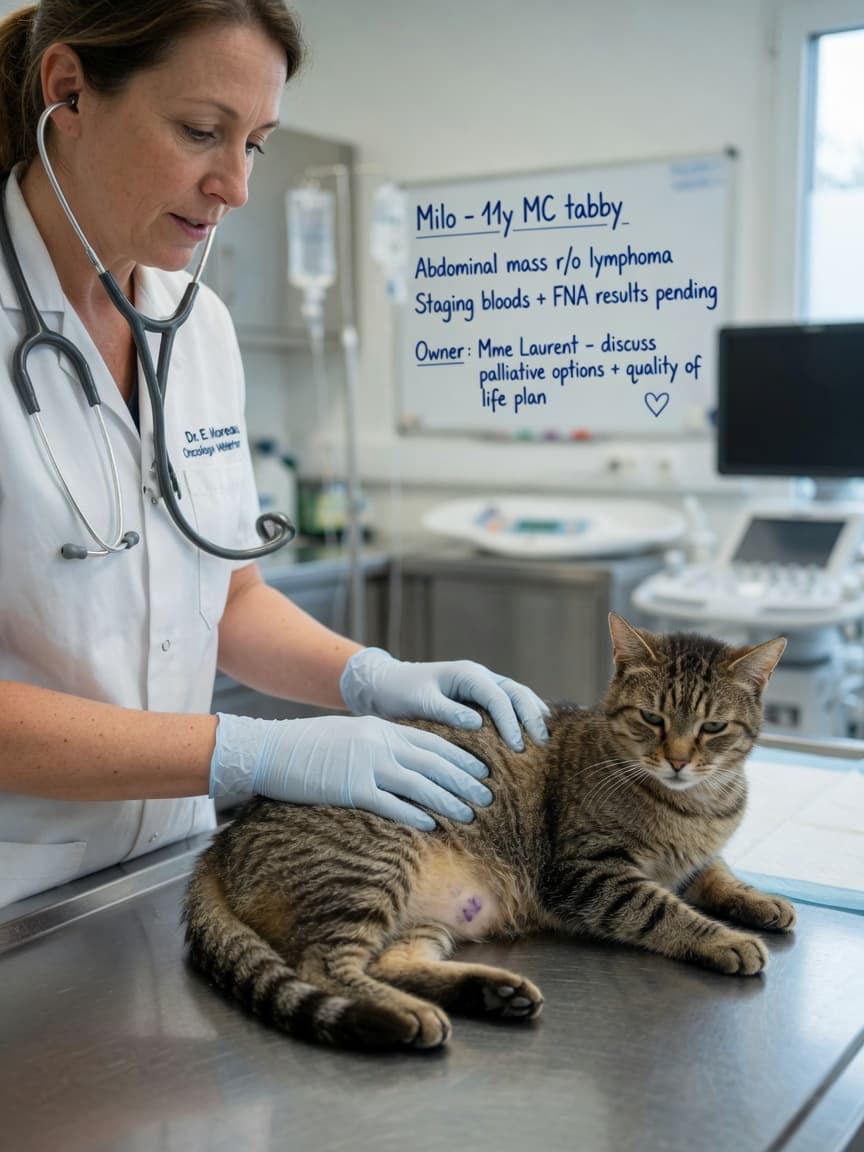
Cancer in Cats - Page 2
Following on from our previous discussion about feline cancer diagnosis and types, this guide explores the practical management strategies, treatment options, and quality of life considerations for cats living with cancer. Understanding what to expect during treatment and how to support your cat at home can significantly impact their wellbeing and comfort during this challenging time.
Treatment Options for Feline Cancer
The treatment approach for your cat's cancer depends on several factors, including the cancer type, stage, location, and your cat's overall health status. Your veterinary oncologist will discuss the most suitable options:
- Surgery: Often the most effective treatment, particularly for localised tumours. Early intervention typically yields better outcomes.
- Chemotherapy: Uses medications to target cancer cells. Cats generally tolerate chemotherapy better than dogs, with fewer severe side effects.
- Radiation therapy: Focuses high-energy beams on tumours. Particularly useful for cancers affecting the brain, nasal cavity, or spine.
- Immunotherapy: Emerging treatments that harness the immune system to fight cancer cells.
- Palliative care: Focuses on comfort and quality of life rather than cure, ideal when advanced disease is present.
Managing Side Effects at Home
Cats undergoing cancer treatment may experience side effects that require careful home management. Common concerns include:
- Loss of appetite: Offer highly palatable, warm foods. Consider smaller, more frequent meals. Consult your vet about appetite stimulants if needed.
- Nausea: Anti-nausea medications can help. Avoid strong-smelling foods that may worsen symptoms.
- Lethargy: Provide comfortable resting areas and maintain a calm environment.
- Hair loss or skin changes: Keep your cat's coat clean and protected from direct sunlight.
- Compromised immunity: Minimise exposure to other animals and maintain strict hygiene protocols.
Nutritional Support During Treatment

Proper nutrition is vital for cats undergoing cancer treatment. Cancer cachexia (weight loss and muscle wasting) is common, so focus on high-quality, protein-rich diets. Work with your veterinary nutritionist to ensure your cat receives adequate calories and essential nutrients. Some cats benefit from supplements such as omega-3 fatty acids and antioxidants, though these should always be approved by your vet first.
Monitoring Your Cat's Progress
Regular monitoring helps assess how well treatment is working and allows for early detection of complications. Expect frequent vet visits initially, with bloodwork, imaging, or physical examinations. Keep detailed notes about your cat's eating habits, activity levels, and any changes in behaviour, as this information is invaluable for your veterinary team.
Emotional Support and Quality of Life

A cancer diagnosis affects the entire household. Maintain your cat's normal routine as much as possible, offer gentle interactions, and provide accessible litter boxes, food, and water stations. Consider whether your home layout needs adjustment to accommodate reduced mobility. Spend quality time with your cat, and don't hesitate to seek support from your vet about end-of-life planning should circumstances change.
Key Takeaways
- Treatment options range from curative (surgery, chemotherapy) to palliative, depending on circumstances.
- Managing side effects at home significantly improves your cat's comfort and treatment tolerance.
- Nutrition plays a crucial role in supporting recovery and maintaining muscle mass.
- Regular monitoring helps track treatment effectiveness and detect complications early.
- Quality of life should remain the priority throughout your cat's cancer journey.