
Cancer in Cats - Page 3
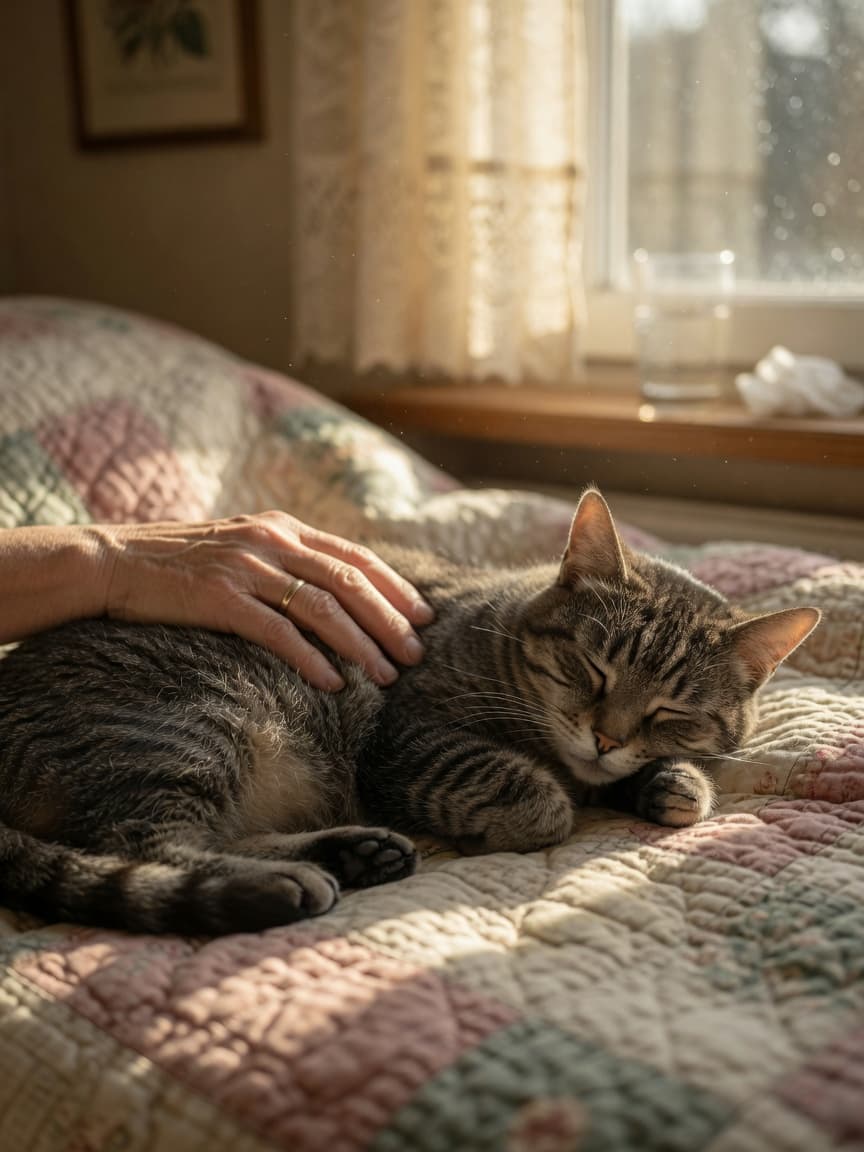
As we continue our exploration of feline cancer, we move beyond diagnosis and treatment options to focus on what happens after initial therapy concludes. This stage of your cat's cancer journey is perhaps the most challenging emotionally, as you navigate follow-up care, monitor for recurrence, and make difficult decisions about quality of life. Understanding what to expect during remission, how to recognise warning signs, and when to consider palliative care can help you provide your cat with the best possible support during this vulnerable time.
Post-Treatment Monitoring and Follow-Up Care
Once your cat has completed their primary cancer treatment—whether surgery, chemotherapy, radiation, or a combination—regular monitoring becomes essential. Your veterinarian will typically recommend follow-up appointments every 4-8 weeks initially, gradually extending the interval if your cat remains stable. These visits may include physical examinations, blood work, and imaging studies such as ultrasounds or X-rays to check for signs of recurrence.
Between appointments, keep detailed records of your cat's behaviour, appetite, weight, and any unusual symptoms. Many cats tolerate treatment remarkably well, but some may experience long-term side effects that require management. Report any changes to your veterinarian promptly, as early detection of recurrence significantly improves outcomes.
Managing Side Effects and Long-Term Complications
Cats recovering from cancer treatment may face various challenges:
- Appetite changes: Some cats experience persistent changes in taste or appetite after chemotherapy. Warming food slightly and offering small, frequent meals can help.
- Fatigue: Rest is crucial. Ensure your cat has quiet, comfortable spaces and limit strenuous activity during recovery.
- Nausea: Your vet may prescribe anti-nausea medication to improve comfort and nutritional intake.
- Hair loss or skin irritation: Particularly after radiation therapy. Keep your cat indoors if possible and monitor for infection.
- Organ damage: Some treatments may affect kidneys or liver. Regular blood tests help detect problems early.
Nutritional Support During Recovery
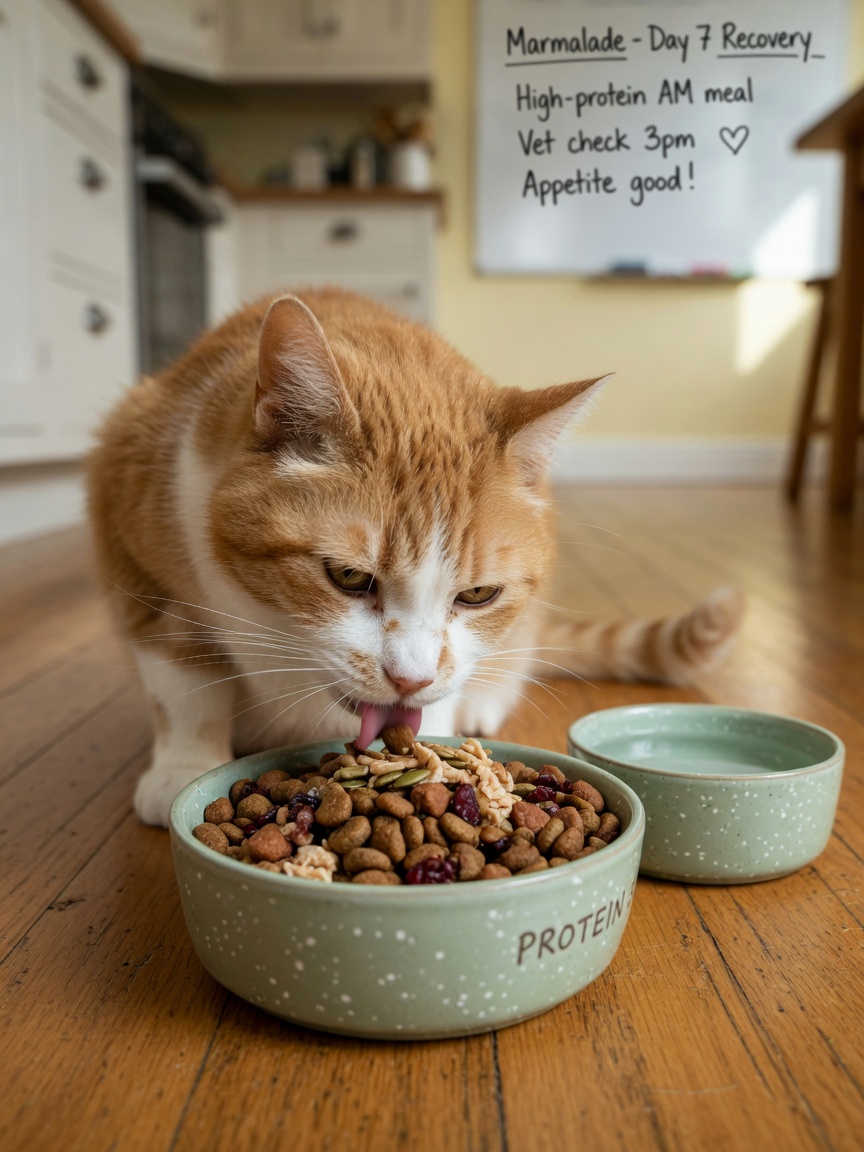
Proper nutrition accelerates healing and supports immune function. Work with your veterinarian or an animal nutritionist to develop a tailored diet plan. Many cats benefit from high-protein foods that support tissue repair. Some owners find that prescription therapeutic diets formulated for cancer patients provide additional benefits, though evidence suggests maintaining consistent, balanced nutrition is most important.
Ensure fresh water is always available, as hydration aids organ function and helps flush treatment byproducts from the body. If your cat refuses food, discuss appetite stimulants with your vet—never force-feed, as this creates negative associations with mealtimes.
Recognising Recurrence and When to Seek Help
Despite best efforts, cancer may return. Watch for these warning signs:
- Unexplained weight loss or reduced appetite
- Lethargy or decreased interest in activities
- Lumps or swelling anywhere on the body
- Changes in toileting habits or urinary/faecal abnormalities
- Difficulty breathing or persistent coughing
- Vomiting or diarrhoea that doesn't resolve quickly
Contact your veterinarian immediately if you notice any of these signs. Early intervention offers the best chance of managing recurrence effectively.
Quality of Life and Palliative Care Decisions
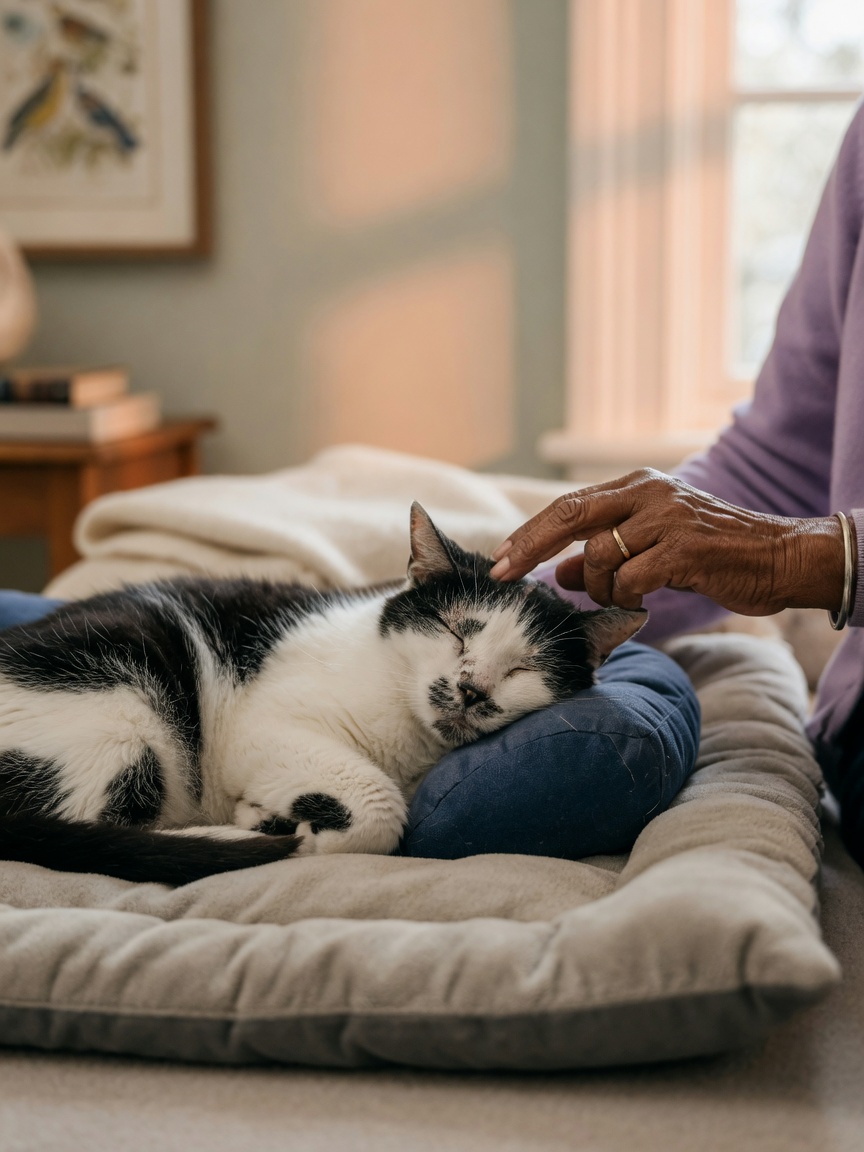
At some point, you may face difficult conversations about your cat's quality of life. If treatment is no longer effective or causing significant distress, palliative care—focused on comfort rather than cure—becomes the priority. This might involve pain management, anti-inflammatory medications, and environmental modifications to reduce stress.
Work closely with your veterinarian to establish clear goals. Ask honest questions about prognosis, expected progression, and when it might be time to consider euthanasia. This conversation, whilst emotionally difficult, ensures you're making decisions aligned with your cat's wellbeing.
Key Takeaways
Supporting a cat through cancer recovery requires vigilance, patience, and compassionate decision-making. Maintain regular veterinary contact, watch for changes, provide excellent nutrition, and prioritise your cat's comfort above all else. Remember that each cat responds differently to treatment and recovery, and the most important measure of success is your cat's overall wellbeing and happiness, not simply survival duration. Don't hesitate to seek emotional support—caring for a pet with cancer is emotionally demanding, and that's perfectly valid.