
Canine Distemper (Hardpad Disease) – Dog Owners – Merck Veterinary Manual
Canine distemper, colloquially known as hardpad disease, remains one of the most serious viral infections affecting dogs worldwide. Despite being largely preventable through vaccination, this highly contagious disease continues to pose significant health risks, particularly to unvaccinated puppies and dogs in shelters. Understanding what distemper is, how it spreads, and how to protect your dog is essential for responsible pet ownership. This comprehensive guide will help you recognise symptoms early and take preventative measures to keep your canine companion safe.
What Is Canine Distemper?
Canine distemper is a viral disease caused by the canine morbillivirus, closely related to the measles virus in humans. It affects multiple body systems, including the respiratory, gastrointestinal, and nervous systems. The disease earned the nickname "hardpad disease" because affected dogs sometimes develop thickened, hardened footpads—a distinctive symptom that occurs in the later stages of infection.
The virus is shed through respiratory secretions, urine, and faeces, making it highly transmissible between dogs. Unvaccinated dogs, very young puppies, and elderly dogs with compromised immune systems are at greatest risk. The disease has an incubation period of 3–6 days, meaning infected dogs may spread the virus before owners realise they're ill.
Early Warning Signs and Symptoms

Early recognition of canine distemper symptoms can be lifesaving. The disease typically progresses through several stages:
- Initial phase (3–6 days): Fever, lethargy, loss of appetite, and mild respiratory symptoms including coughing and sneezing
- Secondary phase: Nasal and ocular discharge, vomiting, diarrhoea, and skin thickening around the nose and paw pads
- Neurological phase: Muscle tremors, seizures, incoordination, and behavioural changes
Some dogs develop a characteristic "hardpad" thickening of the footpads and nose, which gives the disease its alternate name. Not all infected dogs progress to the neurological stage, but when they do, prognosis becomes considerably poorer.
Diagnosis and Veterinary Care
If you suspect your dog has distemper, seek veterinary attention immediately. Your vet will perform a thorough physical examination and may recommend laboratory tests, including RT-PCR testing of respiratory secretions or urine, which can confirm the virus. There is no cure for canine distemper—treatment focuses on supportive care, including intravenous fluids, nutritional support, and management of secondary bacterial infections.
Hospitalisation is often necessary for severe cases. Recovery depends largely on the dog's immune response and whether neurological complications develop. Dogs that survive the acute phase may experience permanent neurological damage.
Prevention Through Vaccination
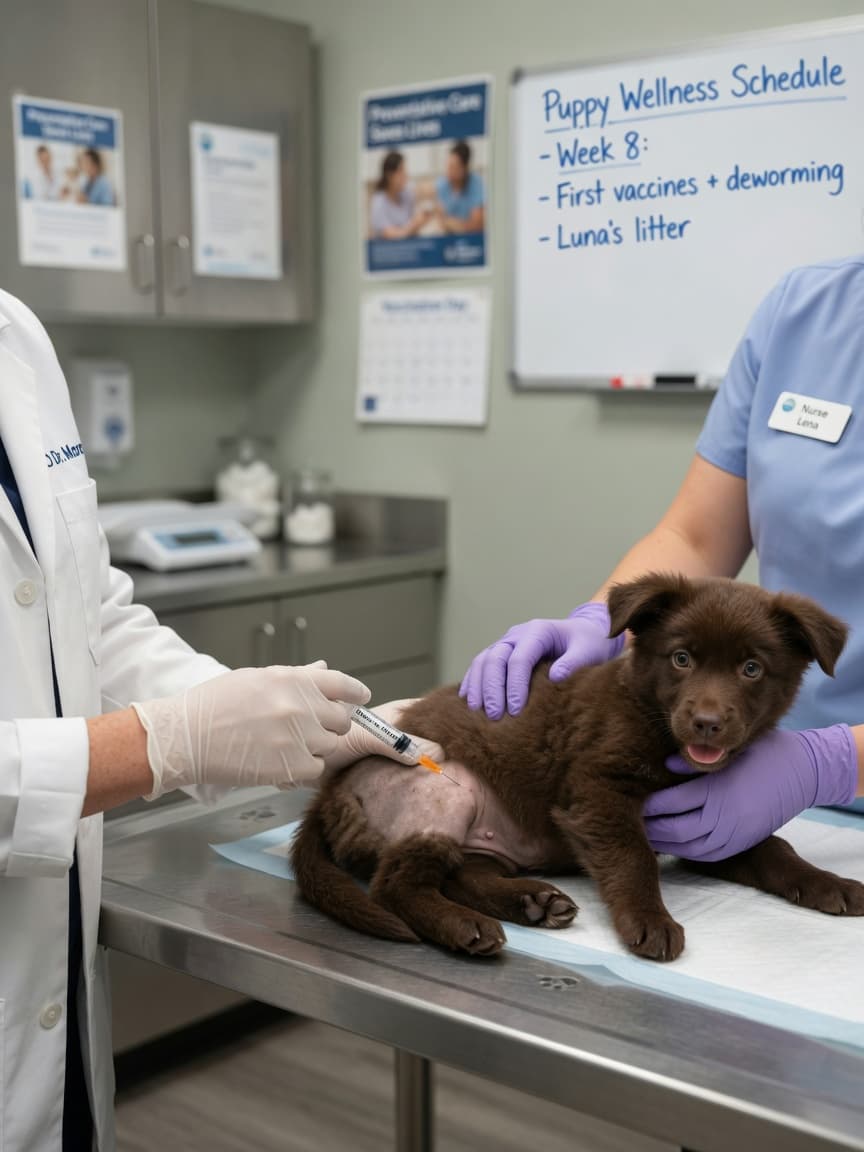
Vaccination is the most effective protection against canine distemper. The distemper vaccine is typically administered as part of a combination vaccine (DHPPi or similar) starting at 6–8 weeks of age, with booster shots every 3–4 weeks until 16 weeks old. Adult dogs require booster vaccinations every 1–3 years, depending on the vaccine used and your vet's recommendations.
Vaccination provides reliable protection against all strains of the virus. Discuss your dog's vaccination schedule with your veterinary surgeon to ensure your pet receives appropriate coverage, especially if you live in an area with recent distemper cases.
Reducing Transmission Risk
Beyond vaccination, several practical steps reduce distemper risk:
- Limit exposure to unvaccinated dogs, particularly in high-risk environments such as shelters or kennels
- Maintain excellent hygiene when handling other dogs, as the virus can be transmitted on hands and clothing
- Keep your dog's living environment clean and well-ventilated
- Ensure puppies remain indoors and away from other dogs until fully vaccinated
- Support your dog's immune health through proper nutrition and regular exercise
Key Takeaways for Dog Owners
Canine distemper is a serious, potentially fatal disease, but one that is entirely preventable through responsible vaccination practices. Ensure your dog receives all recommended vaccinations and boosters throughout their life. If you notice signs of illness—particularly respiratory symptoms, fever, or neurological changes—consult your veterinary surgeon without delay. Remember that vaccinating your dog not only protects your own pet but also contributes to community immunity, reducing the likelihood that vulnerable animals in your neighbourhood will encounter this devastating virus. Your commitment to preventative healthcare is one of the most important gifts you can give your faithful companion.