
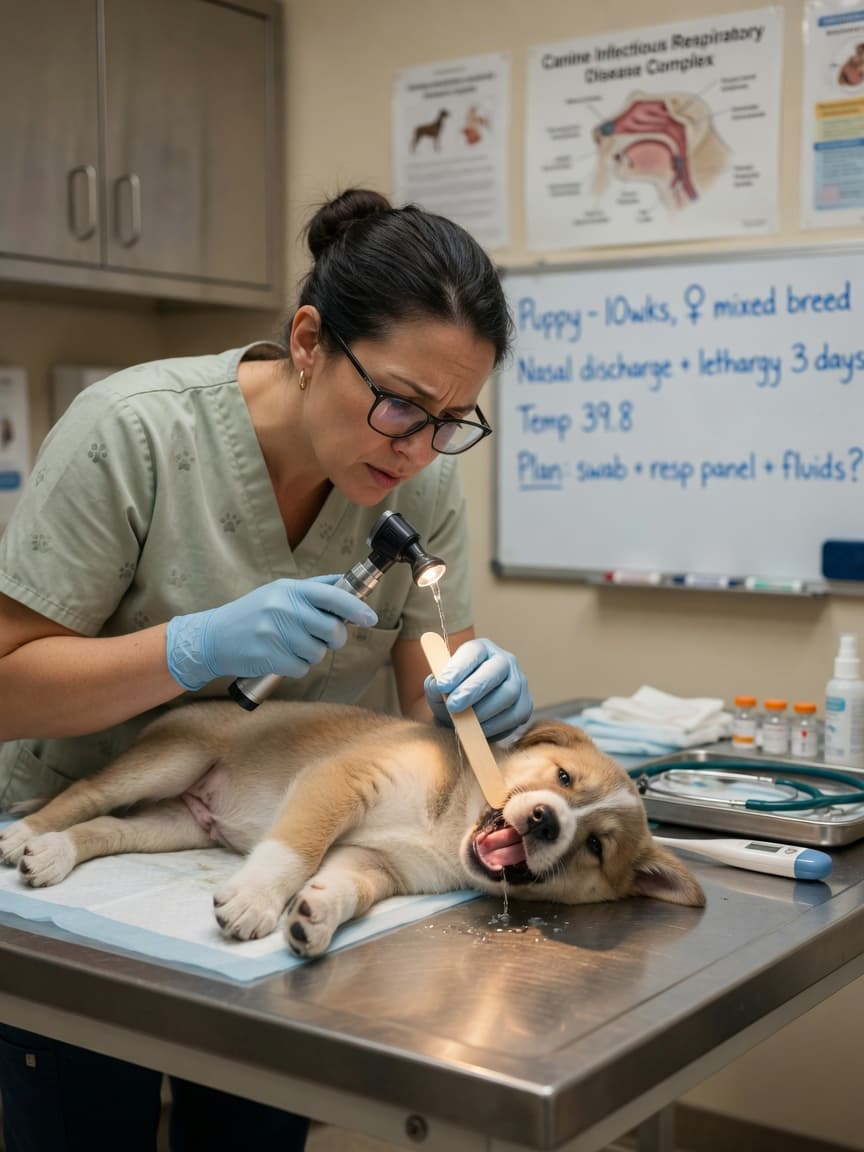
Canine Herpesvirus Infection - Infectious Diseases - Merck Veterinary Manual
Canine herpesvirus (CHV) is a significant infectious disease that affects dogs worldwide, particularly young puppies and immunocompromised adults. This viral infection can range from mild respiratory symptoms to severe, life-threatening conditions in neonates. As a pet owner, understanding this disease is crucial for recognising early signs and protecting your dog's health. Whether you're breeding dogs, welcoming a new puppy, or managing a multi-dog household, this comprehensive guide will help you navigate canine herpesvirus infection with confidence.
What Is Canine Herpesvirus?
Canine herpesvirus is a DNA virus that primarily affects the reproductive and respiratory systems of dogs. Unlike some other viruses, CHV is species-specific, meaning it only infects dogs and some other canidae—it poses no risk to humans or cats. The virus exists in several strains, with CHV-1 being the most clinically significant. Once a dog is infected, the virus remains dormant in nerve tissues, and infected dogs can shed the virus intermittently throughout their lives, particularly during periods of stress or illness.
Transmission and Risk Factors
Understanding how canine herpesvirus spreads is essential for prevention:
- Direct contact: The virus spreads through respiratory secretions, nasal discharge, and saliva
- Sexual contact: Infected breeding dogs can transmit the virus during mating
- In utero transmission: Pregnant bitches can pass the infection to developing puppies
- Environmental exposure: The virus can survive on contaminated surfaces, though it's sensitive to disinfectants
Puppies under 2 weeks old face the highest mortality risk, whilst adult dogs typically experience milder symptoms. Stress, concurrent infections, and immunosuppression significantly increase susceptibility.
Clinical Signs and Symptoms
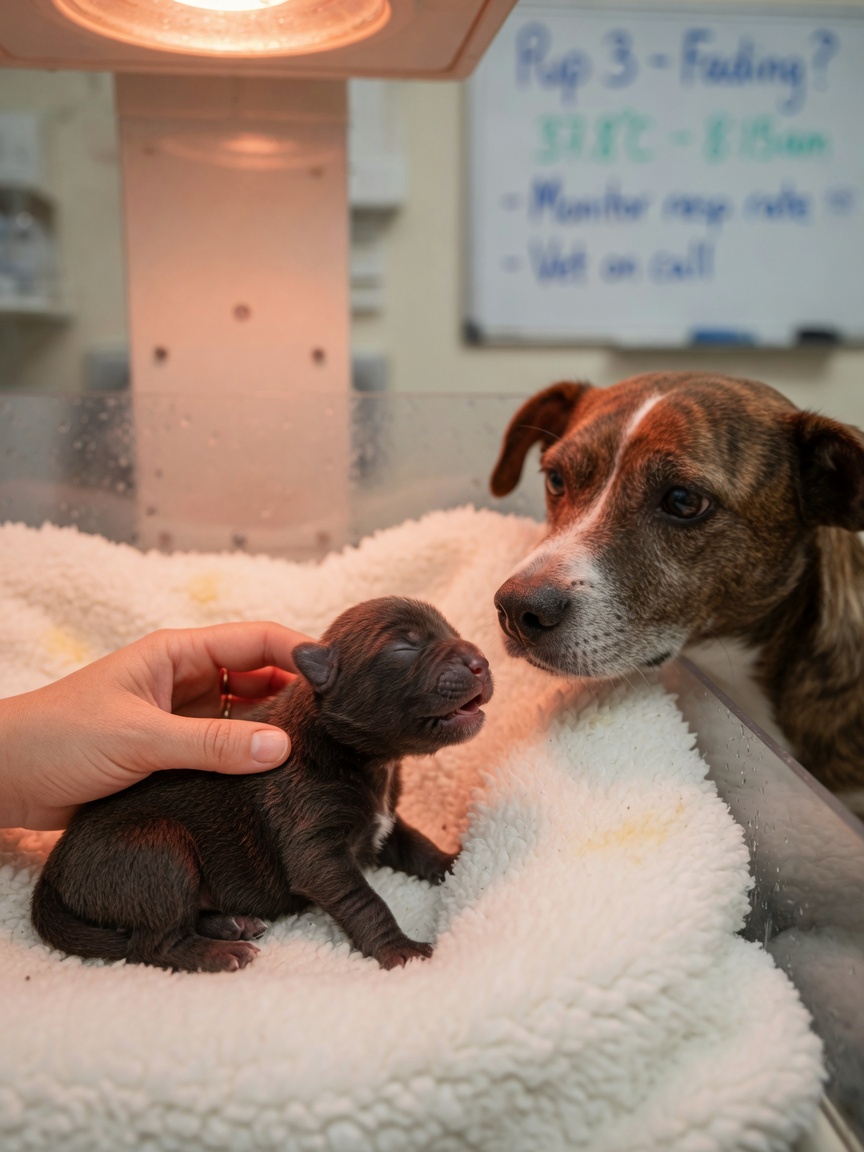
Symptoms vary considerably depending on the dog's age and immune status:
In puppies: Severe illness may develop rapidly, including lethargy, loss of appetite, respiratory distress, and neurological signs. Mortality can occur within 24-48 hours without intervention.
In adult dogs: Symptoms are typically mild and may include nasal discharge, coughing, conjunctivitis, or oral ulceration. Many infected adults show no clinical signs whatsoever.
In pregnant bitches: Infection may result in abortion, stillbirths, or the birth of weak puppies. Some infected pregnancies proceed normally, leading to the birth of infected but asymptomatic puppies.
Diagnosis and Veterinary Management
Your veterinary surgeon will diagnose canine herpesvirus through clinical examination combined with laboratory tests. PCR testing of respiratory secretions or tissue samples provides definitive confirmation. Whilst there is no antiviral medication specifically licensed for CHV in dogs, supportive care is paramount:
- Maintaining warmth and appropriate environmental temperature (especially for puppies)
- Providing fluids and nutrition through assisted feeding if necessary
- Managing secondary bacterial infections with antibiotics if needed
- Pain management and anti-inflammatory medication
- Isolation to prevent transmission to other dogs
Prevention and Management Strategies
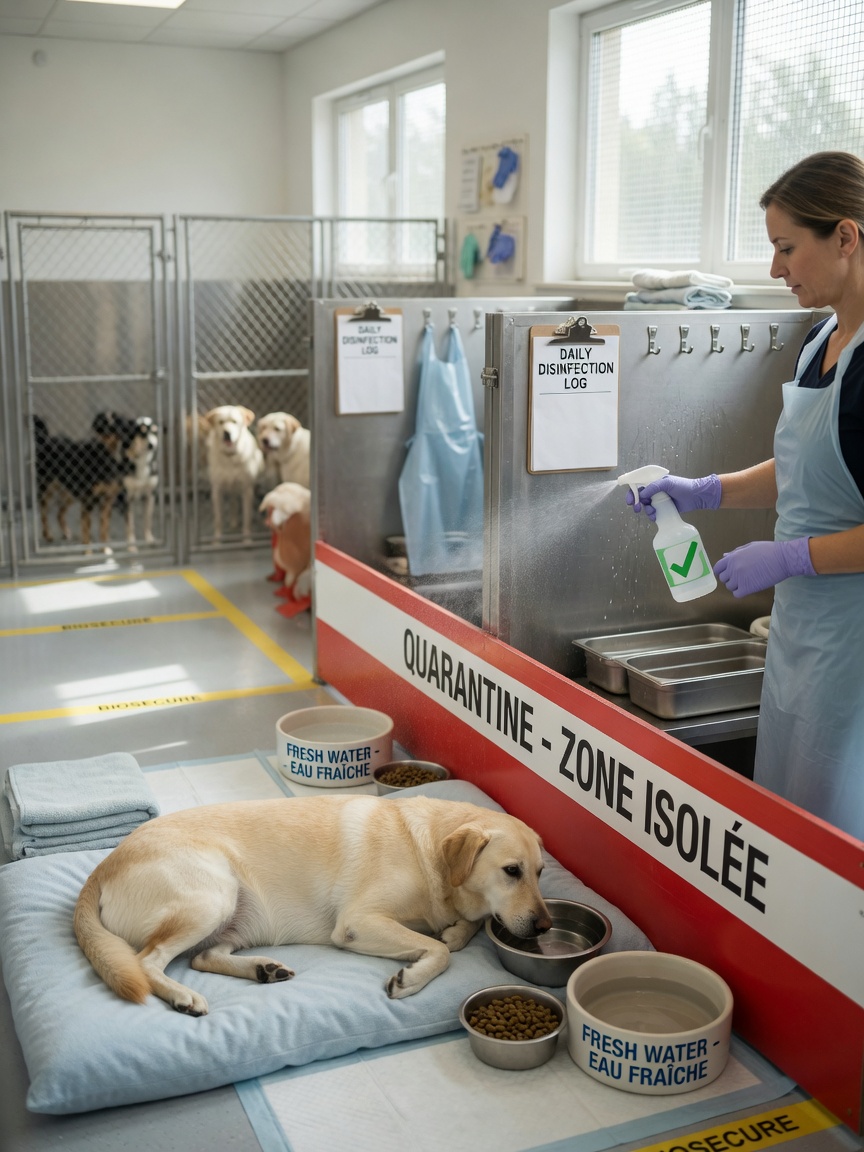
Preventing canine herpesvirus requires a multifaceted approach:
- Screen breeding dogs before mating; avoid breeding infected females
- Maintain strict hygiene protocols in kennels and breeding facilities
- Isolate pregnant bitches and young puppies from potentially infected dogs
- Minimise stress through proper nutrition, exercise, and environmental management
- Practice regular disinfection of contaminated surfaces with appropriate disinfectants
- Quarantine new dogs before introducing them to your household
Key Takeaways
Canine herpesvirus remains an important infectious disease, particularly concerning for breeders and owners with young puppies. Whilst adult dogs typically recover without intervention, the disease can be devastating in neonates. Prevention through biosecurity measures, careful breeding practices, and maintaining your dog's overall health and immunity is far more effective than treatment. If you suspect your dog has been exposed to CHV or shows relevant symptoms, contact your veterinary surgeon promptly. With appropriate management and prevention strategies, you can significantly reduce the risk of this virus affecting your beloved companion.