
Canine Nasal Mites - Dog Owners - Merck Veterinary Manual
Discovering that your dog has nasal mites can be unsettling, but understanding this condition is the first step towards effective treatment. Nasal mites in dogs are tiny parasites that live within the nasal passages and sinuses, causing symptoms that many owners initially mistake for common allergies or infections. Unlike other parasitic conditions that receive widespread attention, nasal mite infestations often go undiagnosed for months. This comprehensive guide will help you recognise the signs, understand the causes, and take appropriate action to protect your canine companion's health.
What Are Canine Nasal Mites?
Canine nasal mites are microscopic parasites that inhabit the nasal cavities and sinuses of dogs. The most common species affecting dogs is Pneumolaelaps caninum. These mites are approximately 1-2mm in length, making them invisible to the naked eye. They feed on mucous secretions and epithelial cells within the nasal passages, triggering an inflammatory response that produces the characteristic symptoms dog owners observe.
Transmission typically occurs through direct contact with infected dogs or, less commonly, through contaminated environments. Some dogs may develop a natural immunity, whilst others experience persistent symptoms that require veterinary intervention.
Recognising the Signs and Symptoms
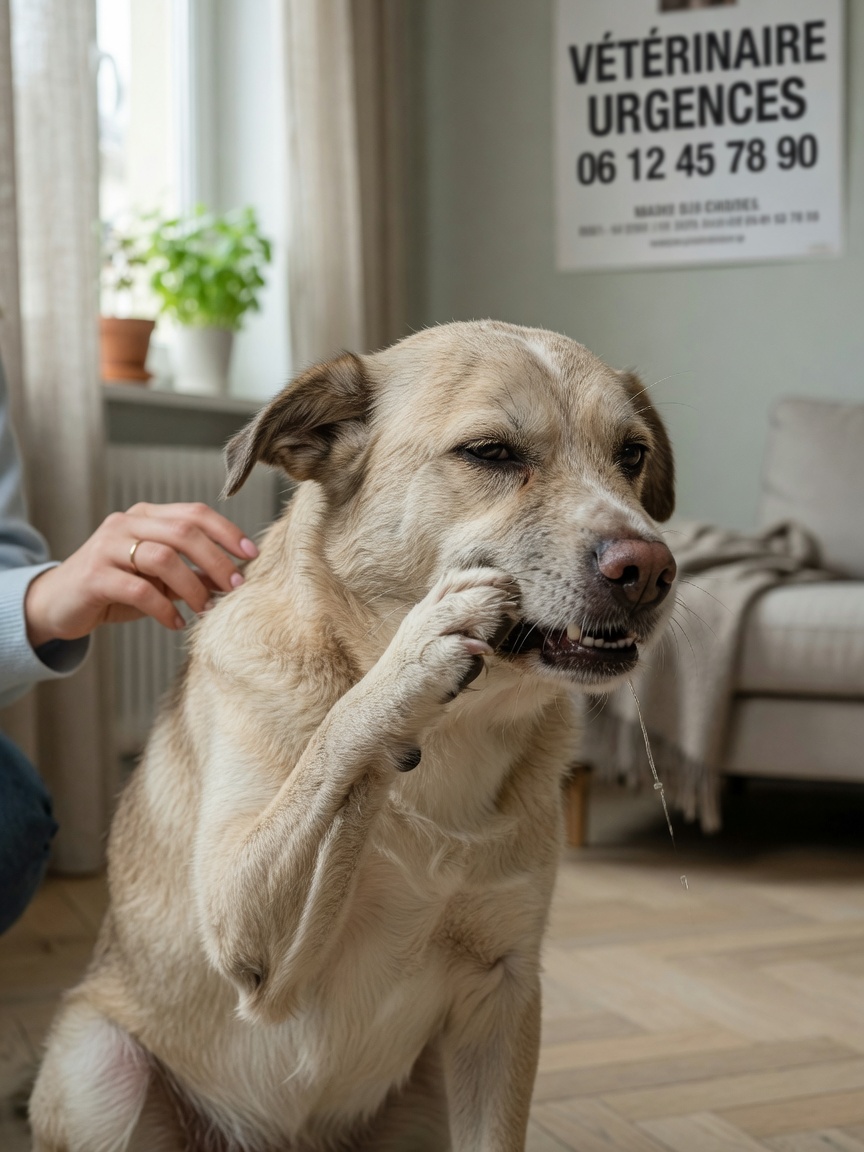
Nasal mite infestations present with several distinctive symptoms that should prompt veterinary consultation:
- Chronic nasal discharge (clear, mucoid, or occasionally blood-tinged)
- Frequent sneezing and snorting sounds
- Reverse sneezing episodes
- Facial swelling around the nasal area
- Excessive face rubbing or pawing at the nose
- Noisy breathing or snuffling sounds
- Secondary infections due to compromised nasal tissues
Symptoms often resemble allergic rhinitis or upper respiratory infections, which is why professional diagnosis is essential. The condition can persist for weeks or months before owners seek veterinary care, making early recognition crucial.
Diagnosis and Veterinary Examination
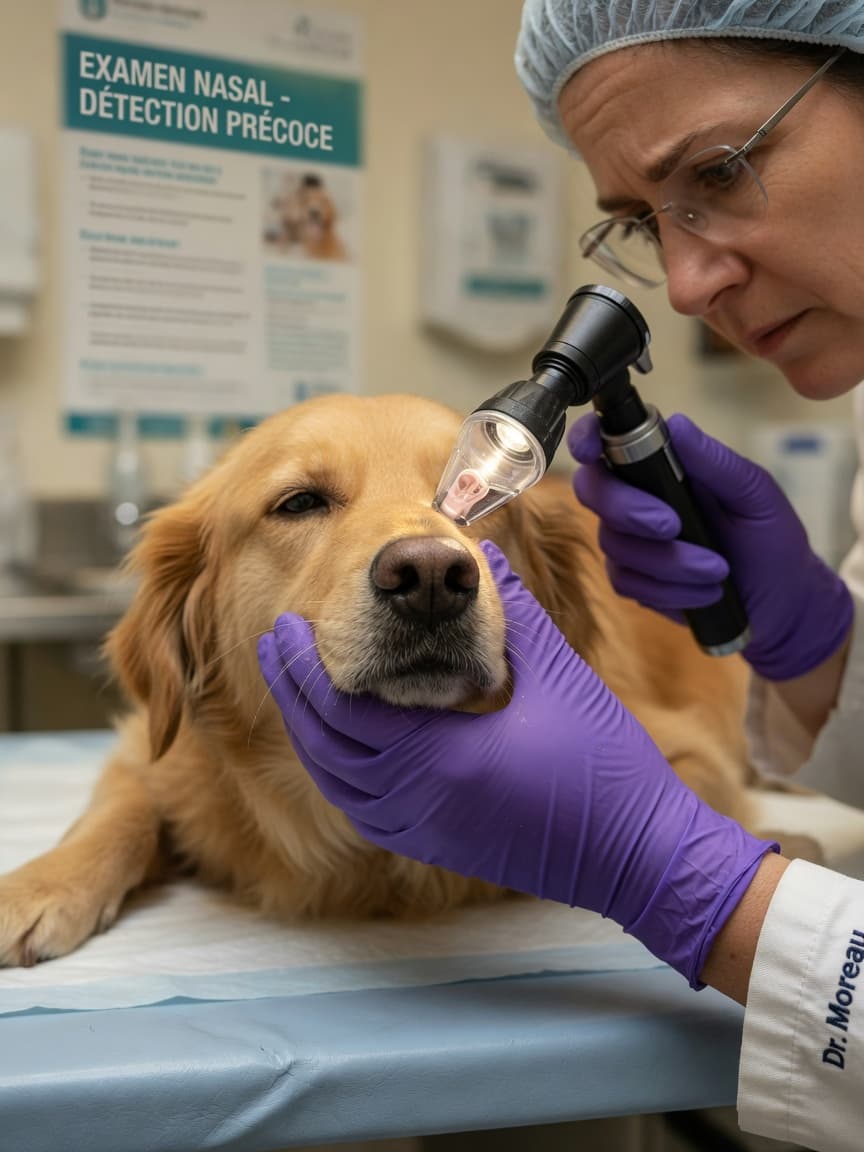
Veterinary diagnosis requires specialised techniques, as nasal mites cannot be detected through standard physical examination alone. Your vet may recommend:
- Nasal flush samples: Sterile saline is flushed through the nasal passages, and samples are examined under a microscope for mite identification
- Endoscopic examination: A small camera is inserted into the nasal passages to visualise the affected tissues and confirm mite presence
- Imaging studies: X-rays or CT scans may reveal secondary sinus involvement
These diagnostic procedures help differentiate nasal mites from other conditions such as bacterial infections, foreign bodies, or nasal tumours, ensuring your dog receives appropriate treatment.
Treatment Options and Management
Several effective treatment approaches exist for canine nasal mites:
- Antiparasitic medications: Ivermectin and milbemycin are commonly prescribed, administered orally or via injection
- Topical treatments: Some vets recommend flushing the nasal passages with medicated solutions
- Environmental management: Regular cleaning of bedding and toys reduces reinfestation risk
- Supportive care: Anti-inflammatory medications may alleviate secondary symptoms
Treatment duration typically spans 4-8 weeks, with follow-up examinations to confirm mite elimination. Your veterinarian will determine the most suitable approach based on your dog's age, health status, and symptom severity.
Prevention and Long-Term Care
Preventing nasal mite infestations involves practical measures:
- Minimise contact with infected dogs during treatment periods
- Maintain excellent hygiene standards for bedding and shared items
- Schedule regular veterinary check-ups to catch infestations early
- Monitor for recurring symptoms after treatment completion
Key Takeaways for Dog Owners
Canine nasal mites, whilst uncommon compared to other parasitic conditions, require prompt professional attention. Chronic nasal symptoms warrant veterinary investigation to rule out this treatable condition. With proper diagnosis and treatment from your vet, most dogs make a full recovery and return to normal breathing and comfort. If your dog displays persistent nasal discharge or sneezing, contact your veterinarian promptly for evaluation and peace of mind.