
Canine Nasal Mites - Respiratory System - Merck Veterinary Manual
Nasal mites in dogs are a fascinating yet often overlooked parasitic condition that can significantly impact your pet's respiratory health and quality of life. These microscopic creatures, primarily Pneumolaelaps caninum, inhabit the nasal passages and sinuses of affected dogs, causing a range of symptoms from mild sneezing to chronic nasal discharge. As a nutritionist and veterinary consultant, I've encountered numerous cases where pet owners were puzzled by their dog's persistent respiratory symptoms, only to discover nasal mites were the culprit. Understanding this condition is essential for any responsible dog owner seeking to maintain their pet's wellbeing.
What Are Canine Nasal Mites?
Canine nasal mites are tiny parasites that measure only 1-2 millimetres in length, making them invisible to the naked eye. They live exclusively in the nasal cavities and sinuses of dogs, feeding on mucus and cellular debris. These mites are host-specific, meaning they won't infect cats or humans, though they are highly contagious between dogs. The condition, known as pneumolaelaptosis, occurs worldwide but is particularly common in certain geographic regions and can affect dogs of any age, breed, or sex, though it appears more prevalent in younger animals.
Clinical Signs and Symptoms
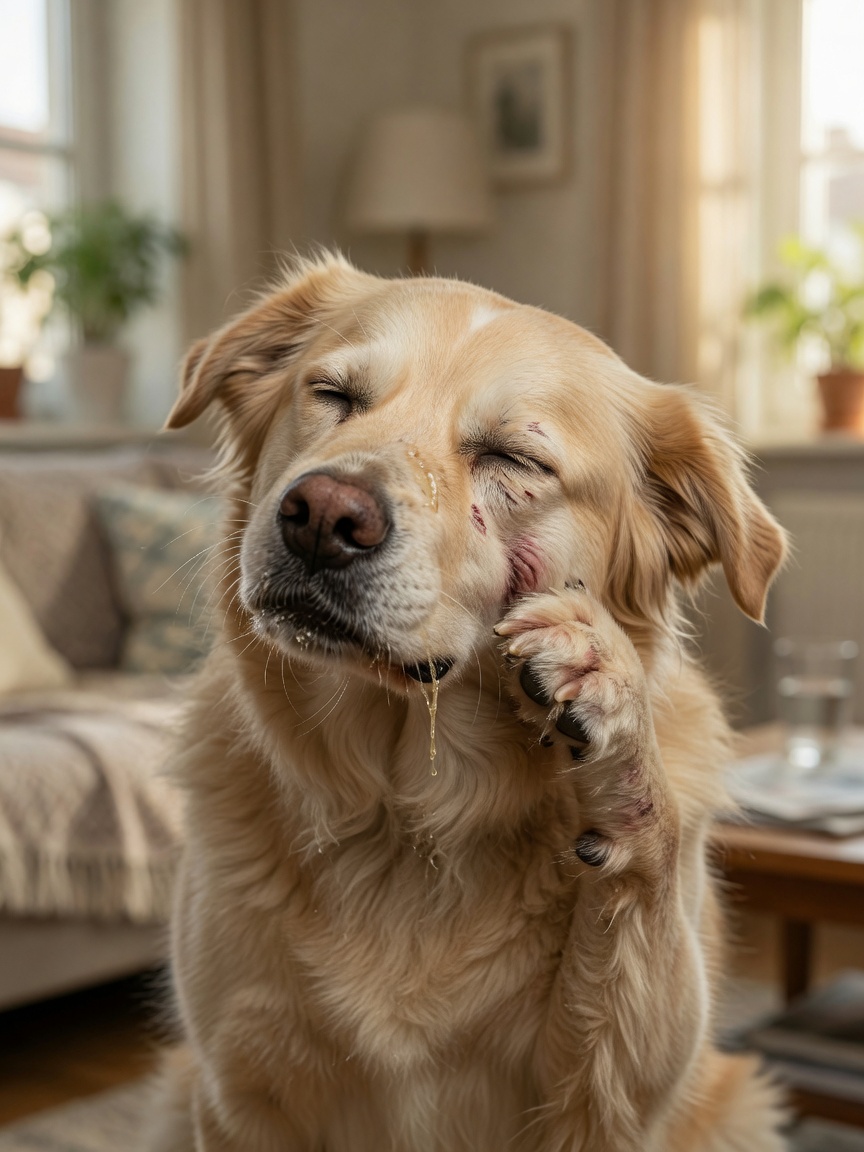
The symptoms of nasal mite infestation can vary considerably from dog to dog. Common clinical signs include:
- Persistent sneezing, often in sudden bursts
- Unilateral or bilateral nasal discharge (clear, mucoid, or occasionally bloodstained)
- Reverse sneezing or throat clearing
- Facial scratching and rubbing at the nose
- Open-mouth breathing or snoring
- Epistaxis (nosebleeds) in severe cases
- Restlessness and sleep disturbance
Interestingly, symptoms may wax and wane, and some dogs may be asymptomatic carriers, making diagnosis particularly challenging. Many cases are initially misdiagnosed as allergies or other respiratory conditions, leading to unnecessary treatments and prolonged discomfort for your pet.
Diagnosis and Veterinary Evaluation
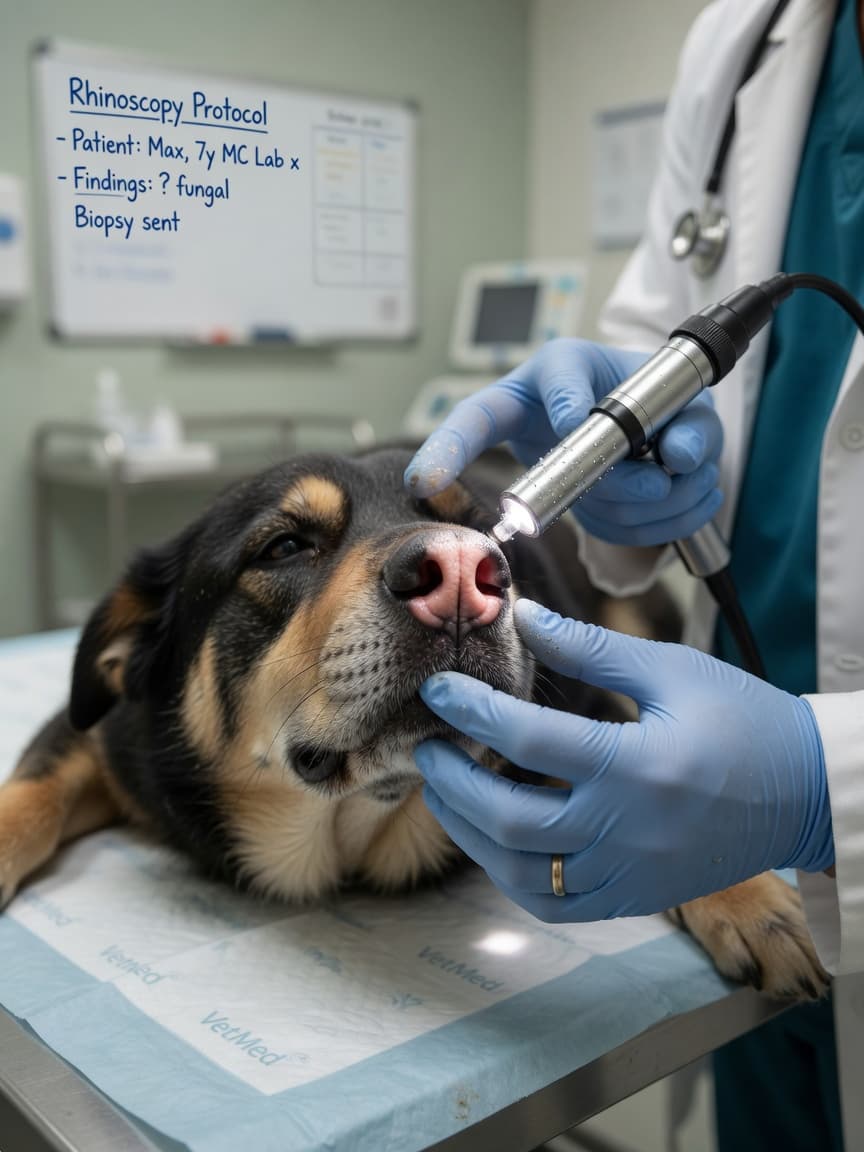
Diagnosing nasal mites requires professional veterinary expertise and specific diagnostic techniques. Your veterinary surgeon may recommend rhinoscopy—a procedure allowing direct visualisation of the nasal passages—where the mites can sometimes be observed directly. Alternatively, fluid samples collected via nasal flushing or brushings can be examined microscopically. Imaging studies such as radiographs or CT scans may help rule out other conditions and assess the extent of inflammation.
Treatment Options
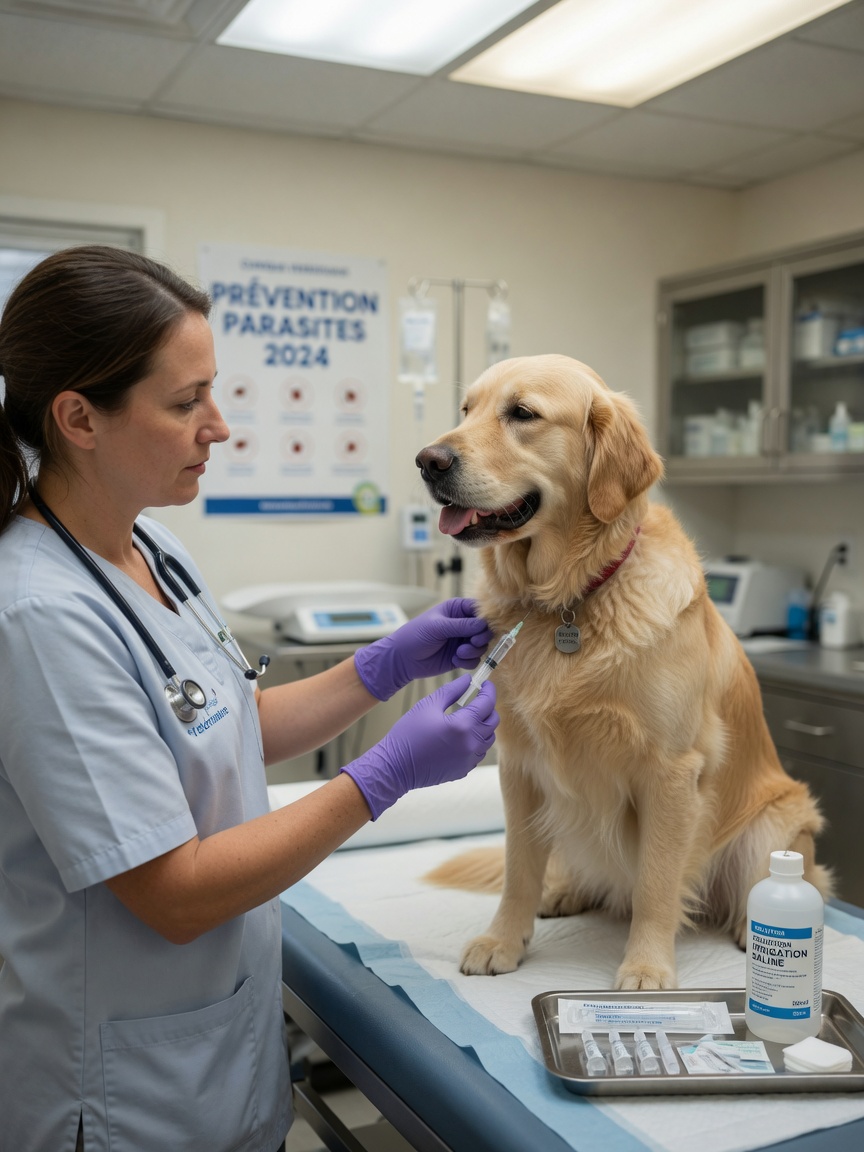
Fortunately, canine nasal mites respond well to appropriate treatment. Your veterinary surgeon may recommend:
- Antiparasitic medications: Topical or injectable treatments specifically targeting mites, often administered over several weeks
- Nasal irrigation: Gentle saline flushing to physically remove mites and reduce inflammation
- Supportive care: Anti-inflammatory medications to manage symptoms whilst treatment takes effect
- Nutritional support: Ensuring adequate vitamin A and omega-3 intake to support respiratory mucous membrane health
Treatment duration typically spans 4-6 weeks, and follow-up diagnostics may be necessary to confirm successful resolution. Some resistant cases may require extended or repeated treatment protocols.
Prevention and Management
Preventing nasal mite transmission involves minimising contact with infected dogs and maintaining good hygiene practices. Separate food and water bowls, avoid sharing toys, and ensure regular cleaning of bedding where affected dogs have rested. If your dog is diagnosed with nasal mites, inform other dog owners your pet plays with, as transmission commonly occurs through direct contact during play.
Key Takeaways
Canine nasal mites, whilst uncommon compared to other parasites, represent an important differential diagnosis for dogs presenting with chronic nasal symptoms. Early professional diagnosis and appropriate treatment dramatically improve outcomes and quality of life. If your dog exhibits persistent sneezing or nasal discharge, consult your veterinary surgeon promptly rather than assuming the symptoms are allergy-related. With correct diagnosis and treatment, most dogs make a complete recovery, returning to their normal, comfortable selves within weeks.