
Canine Vacuolar Hepatopathy - Digestive System - Merck Veterinary Manual
Canine vacuolar hepatopathy is a liver condition that affects dogs of all ages and breeds, though it's particularly common in certain genetic lines. This condition involves the accumulation of lipid (fat) droplets within liver cells, creating a characteristic "vacuolar" appearance under microscopic examination. Understanding this condition is essential for pet owners, as early recognition and appropriate management can significantly improve your dog's quality of life and long-term health outcomes.
What is Canine Vacuolar Hepatopathy?
Vacuolar hepatopathy represents a pathological change in liver cell structure where excessive fat accumulates within hepatocytes (liver cells). This isn't a specific disease in itself, but rather a morphological change that can indicate underlying metabolic, nutritional, or systemic problems. The condition may develop secondary to various causative factors, ranging from nutritional deficiencies to endocrine disorders.
The liver plays a crucial role in metabolism, detoxification, and nutrient processing. When fat accumulates abnormally within hepatocytes, it can compromise these essential functions and potentially lead to progressive liver damage if left unaddressed.
Common Causes and Risk Factors
Vacuolar hepatopathy can develop through multiple pathways:
- Nutritional deficiencies: Insufficient amino acid levels, particularly deficiencies in choline and carnitine, are well-documented contributors
- Genetic predisposition: Certain breeds and bloodlines show increased susceptibility
- Endocrine disorders: Hyperadrenocorticism (Cushing's syndrome) and diabetes mellitus frequently cause lipid accumulation
- Metabolic conditions: Obesity and improper fat metabolism can trigger vacuolation
- Chronic illness: Long-standing systemic diseases may contribute to hepatic lipidosis
- Certain medications: Prolonged corticosteroid use can promote fat deposition in liver tissue
Clinical Signs and Diagnosis
Many dogs with vacuolar hepatopathy show subtle or no obvious symptoms, particularly in early stages. However, observant owners may notice:
- Lethargy or decreased activity levels
- Loss of appetite or reduced food intake
- Mild digestive upset or irregular bowel movements
- Jaundice (yellowing of skin and mucous membranes) in advanced cases
- Abdominal discomfort or distension
Diagnosis requires blood work (showing elevated liver enzymes) and imaging such as ultrasound or CT scanning. Definitive diagnosis involves liver biopsy, where a small tissue sample is examined microscopically to identify the characteristic vacuolar changes.
Treatment and Management Strategies
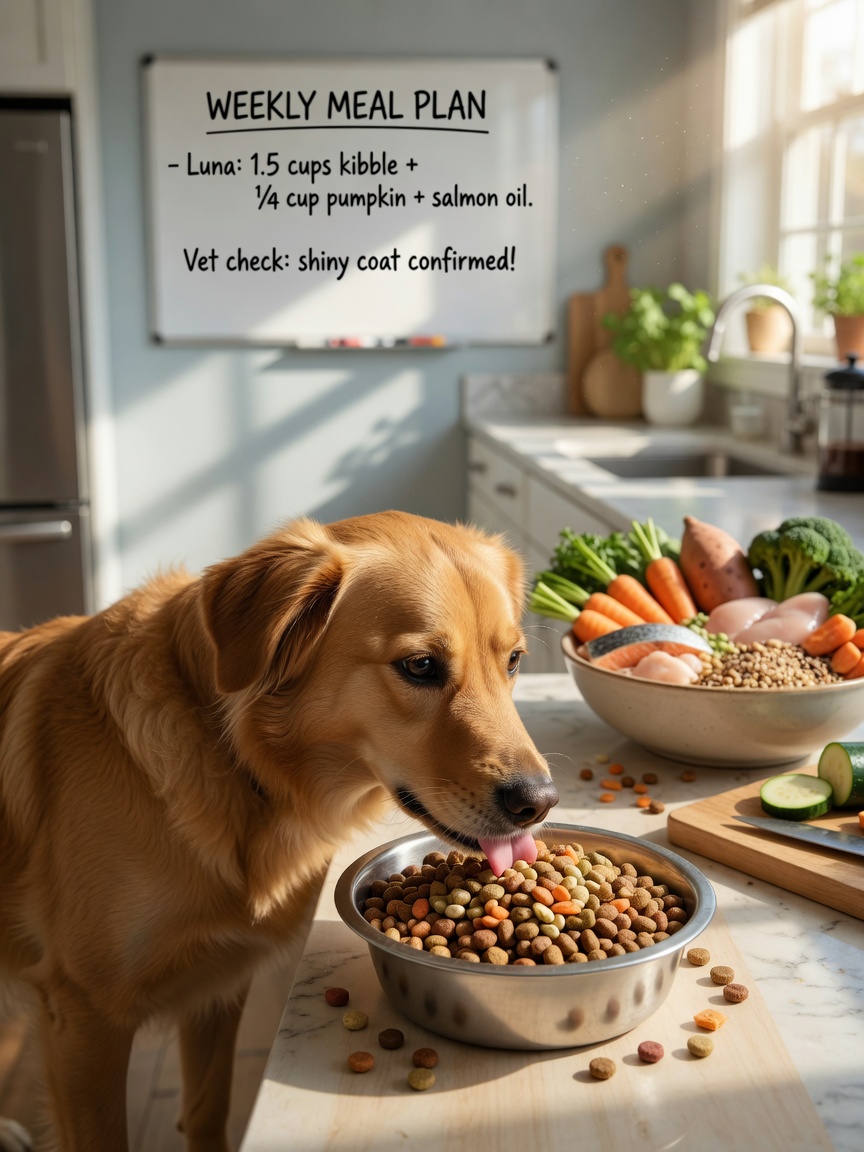
Management of vacuolar hepatopathy focuses on identifying and addressing underlying causes:
- Nutritional optimisation: Work with your veterinarian to ensure balanced, species-appropriate nutrition with adequate protein and essential amino acids
- Treat underlying conditions: If hyperadrenocorticism or diabetes is identified, appropriate treatment can help resolve secondary hepatopathy
- Weight management: Maintaining ideal body weight is crucial for metabolic health
- Dietary supplements: Your vet may recommend targeted supplements including carnitine, choline, or other hepatoprotective agents
- Regular monitoring: Periodic blood work and clinical assessment help track progression or improvement
- Medication review: Evaluate all medications with your vet to minimise hepatic stress
Prognosis and Prevention
The prognosis for canine vacuolar hepatopathy varies considerably depending on underlying causes and how quickly intervention begins. Many dogs manage well with appropriate dietary and medical management. Some cases resolve completely once causative factors are addressed, whilst others require lifelong monitoring.
Prevention centres on maintaining excellent nutritional standards, regular veterinary check-ups, and prompt treatment of underlying metabolic conditions.
Key Takeaways
Canine vacuolar hepatopathy is a manageable condition when caught early. If your dog has been diagnosed with this condition, work closely with your veterinary team to identify underlying causes and implement targeted treatment. Regular monitoring, appropriate nutrition, and addressing any concurrent health issues form the cornerstone of successful management. With proper care and attention, most dogs with vacuolar hepatopathy can maintain good quality of life for years to come.