
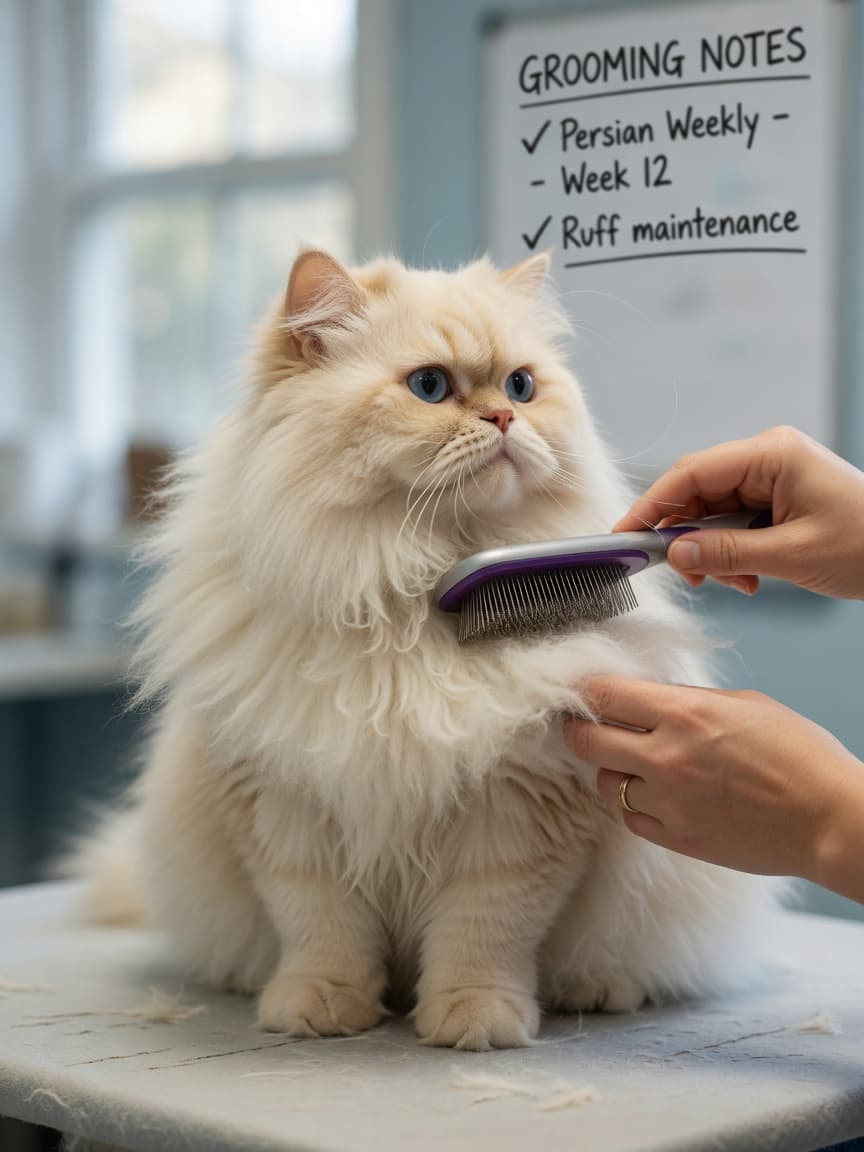
How Well Do Cats Really Groom Themselves?
Cats dedicate a significant portion of their waking hours to grooming. Studies suggest that domestic cats spend between 30 and 50 per cent of their active time licking, scratching, and cleaning their coats. This behaviour serves multiple purposes beyond simple cleanliness. Grooming regulates body temperature, distributes natural skin oils, removes loose fur and debris, and even helps cats reduce stress.
Despite being remarkably capable self-groomers, cats do not manage everything on their own. Certain breeds, age groups, and health conditions mean that some cats genuinely require regular assistance from their owners. Understanding the limits of feline self-grooming is the first step to keeping your cat comfortable and healthy year-round.
When Does Your Cat Need Grooming Help?
Most short-haired cats in good health need only minimal grooming support. However, there are clear situations where stepping in becomes necessary.
- Long or dense coats that tangle and mat faster than the cat can manage
- Senior cats who lose flexibility or energy and can no longer reach all areas of their body
- Overweight cats who struggle to groom their lower back and base of the tail
- Cats recovering from illness or surgery who are temporarily unable to self-groom
- Excessive grooming or bald patches, which may signal anxiety or skin conditions
If you notice your cat's coat looking dull, clumped, or greasy in any area, that is usually a signal that they need help. Regular owner-led grooming sessions also give you an opportunity to check for lumps, parasites, or skin irritation that might otherwise go unnoticed.
Long-Haired Breeds: Maine Coon, Persian, and EU Favourites
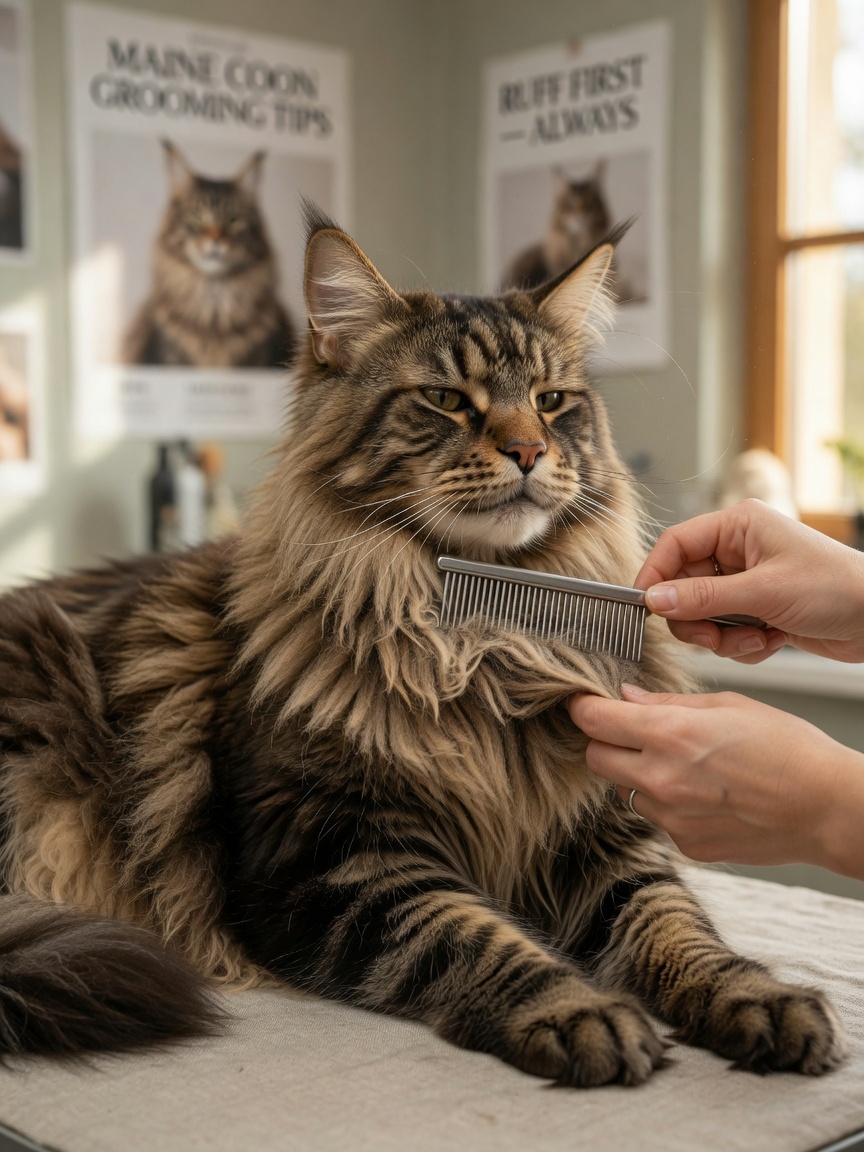
Long-haired cat breeds have surged in popularity across Europe in recent years. The Maine Coon and the Persian remain among the most beloved breeds in households from Spain to Poland, and both require dedicated grooming routines.
Maine Coon
The Maine Coon is one of the largest domestic cat breeds and boasts a thick, semi-long coat with a silky texture. Despite their impressive size, Maine Coons are relatively easy to groom compared to other long-haired breeds — their coat is less prone to matting. A thorough brushing two to three times per week with a wide-toothed comb or slicker brush is usually sufficient to keep their fur in good condition. Pay special attention to the chest ruff, underbelly, and behind the ears, where tangles tend to form first.
Persian
The Persian has one of the most luxurious coats in the cat world, but that beauty demands daily attention. Their dense, fine fur mats extremely quickly, and even a day or two without brushing can result in painful knots that pull at the skin. Persians also have flat facial structures that cause tear staining around the eyes, which should be gently wiped with a damp cloth daily. Many Persian owners in the EU opt for a seasonal "lion cut" performed by a professional groomer during warmer months to reduce the maintenance burden while keeping the cat comfortable.
Understanding and Preventing Matting
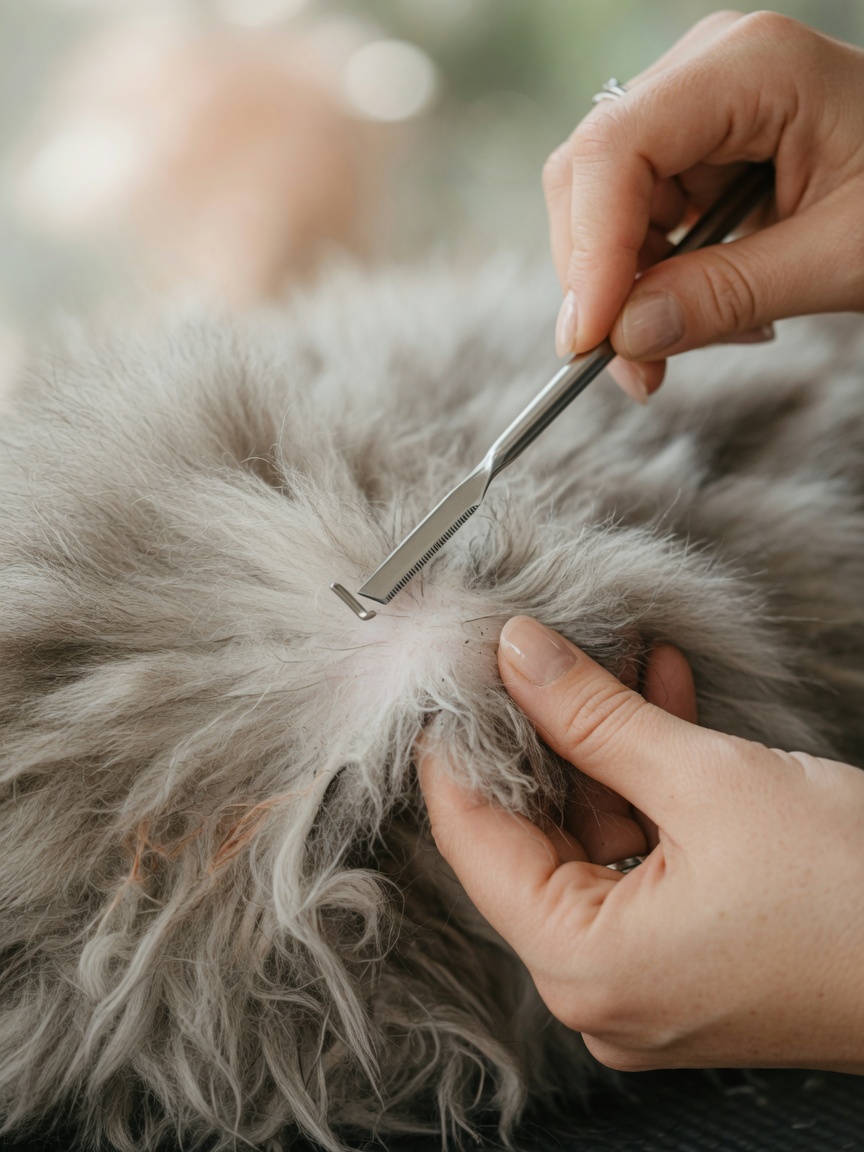
Matting occurs when loose hairs become entangled and compress against the skin. It is not merely an aesthetic problem. Severe mats restrict blood flow, trap moisture, create ideal conditions for bacterial or fungal growth, and cause real pain. Cats may become defensive or aggressive when their mats are touched because the skin underneath is often tender and inflamed.
Prevention is far easier than treatment. The key habits include:
- Brushing regularly and consistently, not just when mats appear
- Using the correct tools for your cat's coat type — a detangling spray can help loosen fine knots before they set
- Never bathing a cat with pre-existing mats, as water causes them to tighten further
- Booking professional grooming appointments for severely matted coats rather than attempting to cut or pull mats yourself
If a mat is small and near the surface, a mat splitter or wide-tooth comb can work it free gently. Always work from the tip toward the base and support the skin to avoid pulling. When in doubt, seek professional help.
Hairballs: Causes, Signs, and Solutions
As cats groom themselves, they inevitably swallow loose hairs. The majority pass through the digestive tract without issue, but some accumulate in the stomach and form hairballs. Occasional hairball expulsion is normal, but frequent hairballs — more than once or twice a month — can indicate a problem.
Signs of hairball trouble include repeated retching without producing anything, a persistent dry cough, reduced appetite, and constipation. In rare cases, a large hairball can cause a dangerous intestinal blockage that requires veterinary intervention.
To reduce hairball frequency:
- Brush your cat regularly to remove loose fur before it is ingested
- Feed a hairball-control diet formulated with higher fibre levels to aid gut transit
- Offer hairball lubricant paste, available from pet retailers, to ease hair passage
- Ensure your cat is well hydrated, as adequate water intake supports healthy digestion
Dental Hygiene: The Grooming Step Most Owners Miss
Dental disease is one of the most common health conditions in adult cats, yet tooth and gum care is the grooming step that owners most frequently overlook. By the age of three, the majority of cats show some degree of periodontal disease, which can lead to pain, difficulty eating, and even systemic infections affecting the kidneys and heart.
Ideally, cats should have their teeth brushed several times a week using a soft-bristled finger brush and enzymatic toothpaste formulated for cats — never human toothpaste, which contains fluoride and other ingredients toxic to animals. If your cat is resistant to tooth brushing, dental chews, water additives, and specially designed dental toys can supplement oral hygiene, though none replaces brushing entirely. Annual professional dental cleans performed under anaesthesia by a veterinarian remain the gold standard for maintaining oral health.
Choosing the Right Grooming Tools
Having the right equipment makes a significant difference to both the quality of the grooming session and your cat's willingness to cooperate. Zooplus offers an excellent range of grooming tools suited to different coat types and budgets, making it easy to find everything from slicker brushes and deshedding combs to grooming gloves and nail clippers without overspending.
For short-haired cats, a rubber grooming glove or a bristle brush used once a week is typically enough. For long-haired breeds like Maine Coons and Persians, a combination of a wide-toothed metal comb for daily detangling and a slicker brush for finishing is the most effective approach. A deshedding tool used during moulting seasons — typically spring and autumn — can dramatically reduce the volume of loose fur that ends up on furniture and in your cat's stomach.
Nail clippers designed for cats should also be part of every owner's grooming kit. Overgrown nails can curl into the paw pad, causing pain and infection. A gentle trim every three to four weeks keeps nails at a safe length. If your cat strongly resists nail trimming, your vet or a groomer can carry out this task quickly and safely.
Making Grooming a Positive Experience
The most effective way to establish a grooming routine is to introduce it gradually when your cat is calm and relaxed, ideally from kittenhood. Keep sessions short, reward cooperation with treats or play, and never restrain your cat forcefully. Over time, most cats come to accept — and some even enjoy — regular grooming as part of their bond with their owner. Consistency is the single most important factor: a brief daily brush is far more effective than an occasional lengthy session that your cat has learned to dread.