

A Disease So Deadly It Was Once Considered Uniformly Fatal
Cytauxzoonosis — colloquially known as bobcat fever in North America — has a mortality rate that puts it among the most feared tick-borne diseases in veterinary medicine. Until relatively recently, survival was considered exceptional. Understanding this disease matters not only for cat owners in endemic areas but also for the broader picture of how tick-borne illness can devastate feline populations.
The Organism Behind the Disease
Cytauxzoon felis is a protozoan parasite in the same group as Babesia and Theileria. It has a complex two-stage life cycle. In the tick vector, it undergoes sexual reproduction. In the cat host, it first multiplies within mononuclear phagocytes — white blood cells lining blood vessels — forming enormous schizonts that physically obstruct circulation. It then invades red blood cells as merozoites, causing haemolytic anaemia.
The vascular obstruction phase is what makes this disease so rapidly fatal. Affected cats can deteriorate from apparent normality to organ failure within days.
Transmission and Geographic Distribution
Tick Vectors
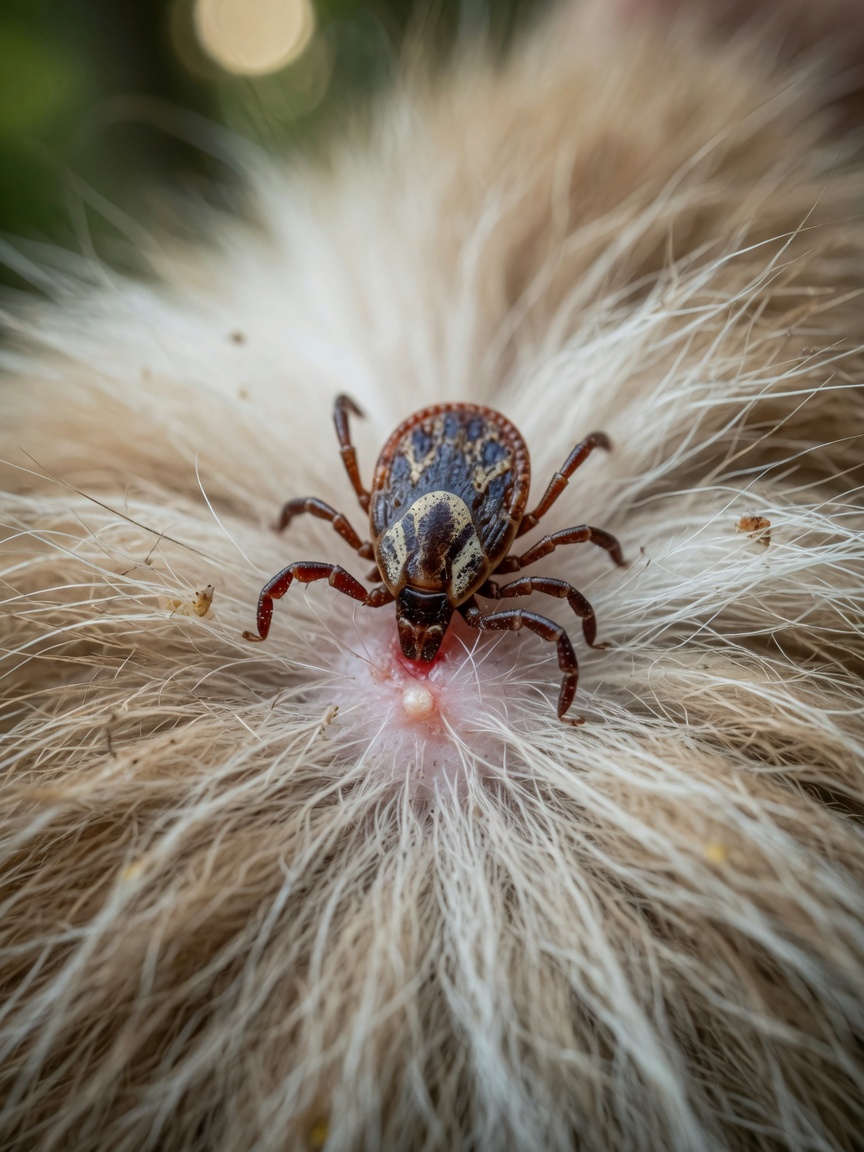
The American dog tick (Dermacentor variabilis) and the lone star tick (Amblyomma americanum) are the primary vectors. Transmission requires the tick to feed for a period before the organism is transmitted, which means prompt tick removal remains protective.
The Bobcat Reservoir
Bobcats (Lynx rufus) are the natural reservoir host and generally survive infection, developing a chronic carrier state. Domestic cats sharing habitats with bobcats — through roaming in wooded or semi-rural areas — are at highest risk. Geographic distribution is centred on the south-central and southeastern United States, though cases have been documented across a wider range as tick populations shift.
Clinical Signs: A Rapid Downward Spiral
The speed of deterioration is one of the hallmarks of cytauxzoonosis. Many cats progress through the full clinical picture within 48 to 72 hours of first showing signs.
- High fever, often exceeding 40°C (104°F)
- Profound lethargy and reluctance to move
- Loss of appetite and vocalisation of pain
- Difficulty breathing
- Pale or icteric (yellow) mucous membranes
- Hypothermia in late-stage disease as the body fails to regulate temperature
- Neurological signs in some cases
Any outdoor cat in an endemic area presenting with sudden high fever and depression should be considered a cytauxzoonosis suspect until proven otherwise.
Diagnosis
Blood Smear Examination
Examination of a blood smear can reveal the characteristic signet-ring form of merozoites within red blood cells. This is a rapid, accessible test though sensitivity depends on the stage of infection and the experience of the examiner.
PCR Testing
PCR is more sensitive and specific, particularly early in the disease when parasitaemia may be low. Fine needle aspirates of the spleen or lymph nodes can also reveal the large schizont-filled macrophages, providing a definitive diagnosis.
Complete blood count typically shows anaemia, thrombocytopenia (low platelets), and leukopenia. Biochemistry often reveals evidence of multi-organ involvement including elevated liver enzymes and azotaemia.
Treatment: Aggressive Intervention Is Essential
Antiparasitic Drugs
The combination of atovaquone and azithromycin has significantly improved survival rates in treated cats, with studies reporting survival in over 60% of cases with this protocol — a dramatic improvement from historical figures. This combination is now considered the standard of care where available, though cost and accessibility can be limiting factors.
Diminazene aceturate and imidocarb dipropionate have also been used, with variable outcomes. Early initiation of antiparasitic therapy is critical.
Intensive Supportive Care
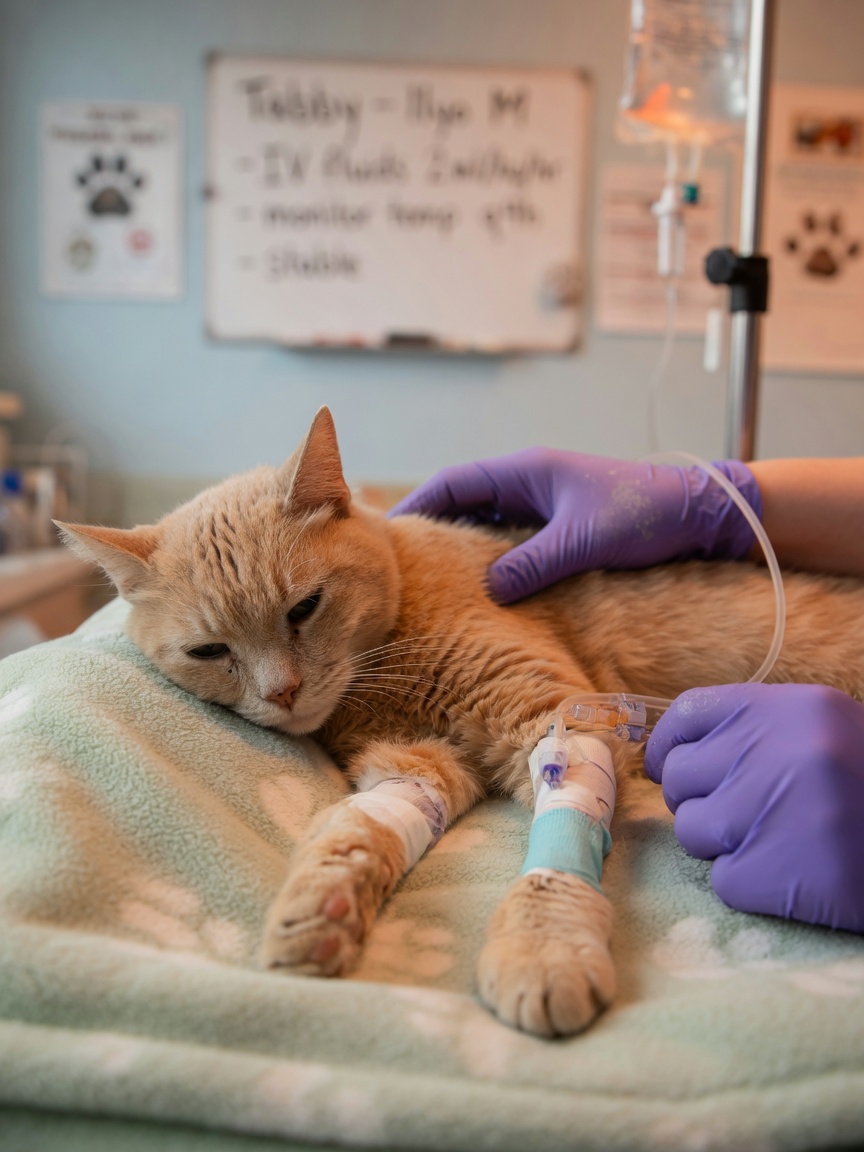
Cats with cytauxzoonosis require intensive hospitalisation. Intravenous fluid therapy, anticoagulants such as heparin to address the vascular obstruction, nutritional support, pain management, and oxygen supplementation all form part of the supportive care package. Blood transfusions may be required for severe anaemia. The level of care required means that referral to a specialist or emergency facility is often advisable.
Prevention in Endemic Areas
For cats in known cytauxzoonosis regions, tick prevention is life-saving rather than merely advisable. Only veterinary-approved tick preventatives labelled safe for cats should be used — many canine products are toxic to cats. Keeping cats indoors entirely eliminates tick exposure and represents the most reliable preventive strategy.
There is no vaccine against C. felis. Cats that survive infection may develop partial immunity but can experience relapse. Tick checks after any outdoor exposure and prompt removal of attached ticks provide an additional layer of protection. Always consult your vet about the most appropriate tick prevention product for your cat's age, health status, and local risk level.
Summary
- Cytauxzoonosis is a tick-borne protozoan disease with historically very high mortality in domestic cats
- Bobcats serve as reservoir hosts; lone star and American dog ticks are vectors
- Disease progresses rapidly — fever and lethargy in an outdoor cat in endemic areas demand same-day veterinary care
- Atovaquone combined with azithromycin is the current best-evidence treatment protocol
- Intensive hospitalised supportive care is essential for survival
- Keeping cats indoors and using vet-approved tick prevention are the primary protective strategies