
Do Corgis Sleep a Lot? 5 Reasons & Tips to Keep Them Active
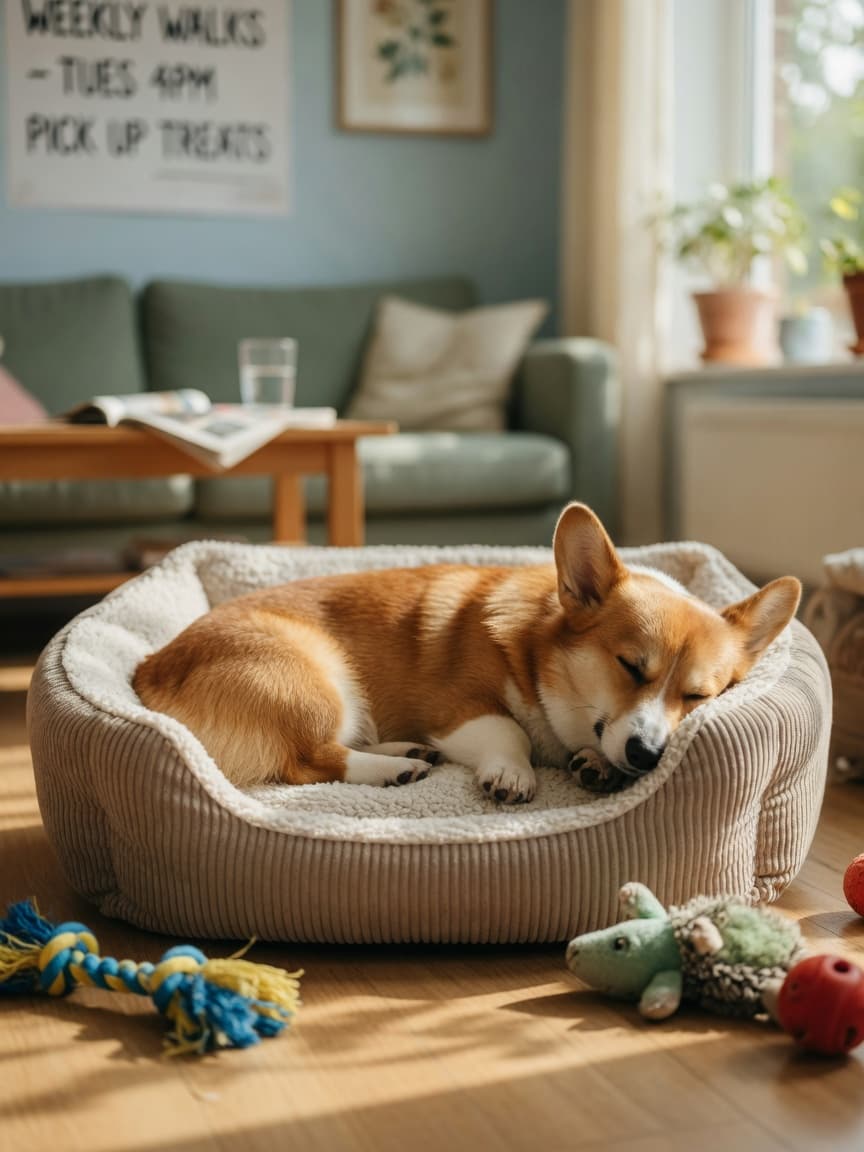
If you've recently welcomed a Corgi into your home, you might have noticed something rather amusing: your adorable, short-legged companion seems to spend an awful lot of time snoozing. Whether they're curled up on the sofa, sprawled across their bed, or tucked beneath the dining table, Corgis have perfected the art of the nap. But is this normal? And should you be concerned about your pup's sleep habits? Let's explore why Corgis are champion sleepers and what you can do to keep them mentally and physically stimulated.
How Much Should Corgis Actually Sleep?
Adult dogs typically sleep between 12 to 14 hours per day, and Corgis are no exception. Puppies and senior Corgis may sleep even longer—up to 18 hours daily. This extensive sleep pattern is entirely normal and reflects how dogs process information and conserve energy between activities. If your Corgi is sleeping within this range, there's generally no cause for concern.
5 Reasons Why Your Corgi Sleeps So Much
1. Natural Canine Sleep Requirements
Dogs are designed to sleep significantly more than humans. This isn't laziness; it's biology. Your Corgi's body needs this rest to consolidate memories, support immune function, and regulate metabolism.
2. Post-Exercise Recovery
Corgis may look compact, but they're energetic little dogs. After playtime, walks, or training sessions, they require substantial rest to recover. This is especially true for younger Corgis bursting with enthusiasm.
3. Boredom and Lack of Stimulation
When dogs don't receive adequate mental or physical enrichment, they may sleep excessively as a way to pass the time. A bored Corgi might nap more frequently than necessary.
4. Comfort and Safety
Your home represents a safe haven for your Corgi. When they feel secure and comfortable, they're more likely to sleep peacefully. This is actually a positive sign of a well-adjusted pet.
5. Age-Related Changes
Senior Corgis (aged 7 and above) naturally sleep more as their metabolism slows and energy levels decrease. This is a normal part of ageing and doesn't necessarily indicate illness.
When to Worry About Excessive Sleeping
Whilst substantial sleep is normal, excessive lethargy can sometimes signal health issues. Contact your veterinarian if your Corgi:
- Sleeps noticeably more than usual without explanation
- Appears lethargic or unresponsive when awake
- Shows changes in appetite or water intake
- Displays reluctance to engage in activities they normally enjoy
- Shows signs of pain or discomfort
Tips to Keep Your Corgi Active and Engaged

The key to maintaining a healthy, balanced Corgi is providing adequate stimulation. Here's how:
- Daily Exercise Routine: Aim for at least 60 minutes of physical activity daily. Corgis enjoy walks, fetch games, and agility training.
- Mental Enrichment: Puzzle toys, hide-and-seek games, and training sessions stimulate their intelligent minds and prevent boredom-related oversleeping.
- Structured Play Sessions: Set aside dedicated times for interactive play rather than allowing random napping throughout the day.
- Socialisation Opportunities: Dog parks or playdates with other dogs provide mental stimulation and physical activity.
- Rotating Toys: Keep play engaging by rotating toys weekly to maintain novelty and interest.
- Training Classes: Obedience or agility classes provide both exercise and mental challenges.
Key Takeaways
Your Corgi's love of sleep is perfectly normal and reflects their natural canine biology. Most Corgis sleeping 12 to 14 hours daily are healthy and content. However, ensuring they receive adequate physical exercise and mental stimulation during waking hours is crucial for their overall wellbeing and preventing boredom-related excessive sleeping.
If you notice sudden changes in your Corgi's sleep patterns or signs of lethargy, consult your veterinarian to rule out underlying health concerns. Otherwise, embrace your Corgi's adorable napping habits whilst maintaining an active, enriched lifestyle that keeps their mind and body thriving.
```