
Do Dogs Know When You're Packing for a Trip?
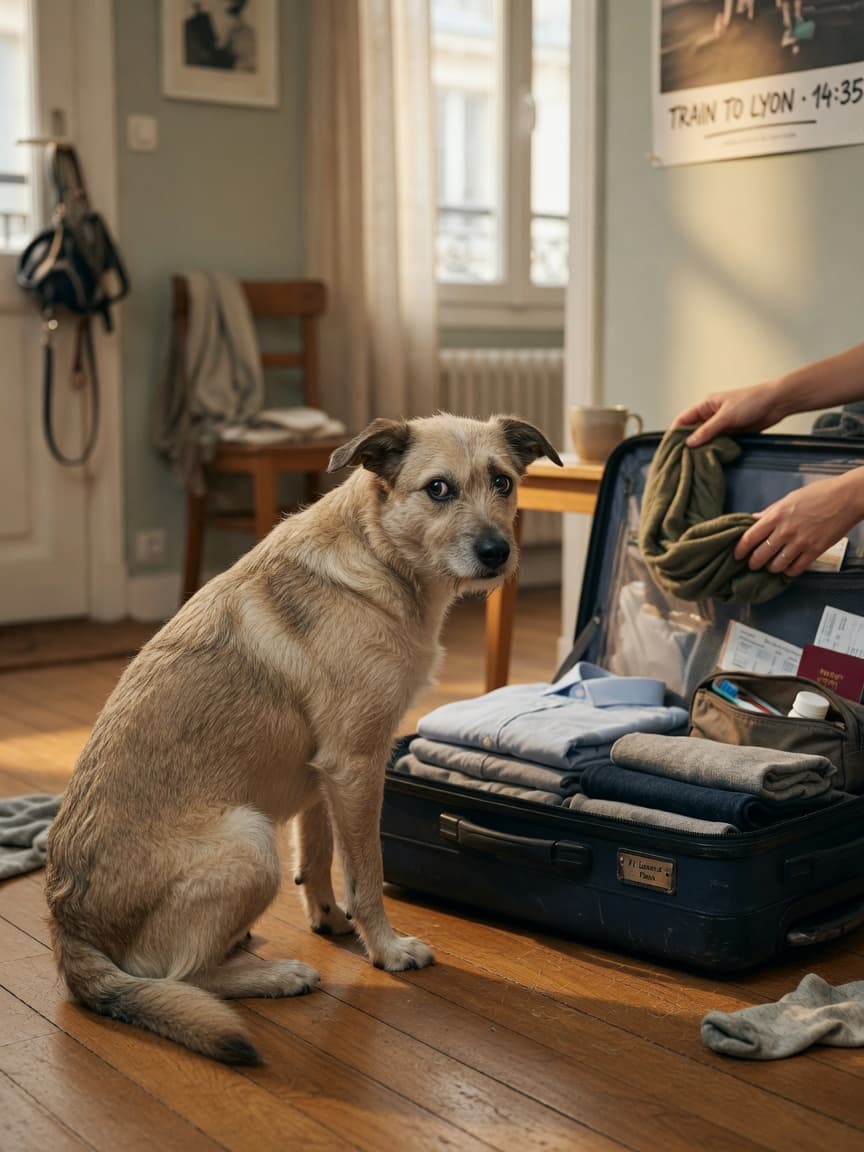
If you've ever noticed your dog acting anxious or clingy whilst you're pulling out a suitcase, you're not alone. Many pet owners report that their dogs seem to sense an impending departure, displaying behaviours ranging from mild restlessness to genuine distress. But is your dog truly reading your mind, or is something more scientific happening? The answer lies in a fascinating combination of canine sensory abilities and learned associations.
The Science Behind Canine Perception
Dogs possess an extraordinary ability to pick up on environmental cues that humans barely notice. Research has shown that dogs can detect changes in routine, body language, and even scent markers that precede your departure. When you're packing, you're inadvertently creating a symphony of signals that your dog's highly tuned senses can interpret.
Your dog's sense of smell is approximately 10,000 to 100,000 times more sensitive than yours. During packing, you're handling clothes, toiletries, and items that carry distinct scents associated with travel. Your dog picks up on these olfactory cues and begins to anticipate change, even if they don't understand the concept of a "holiday" as you do.
Learned Associations and Routine Disruption
Dogs are creatures of habit, and they learn patterns remarkably quickly. If you've taken multiple trips, your dog has likely developed associations between specific behaviours and your absence:
- Suitcase appearance signals a disruption to daily routine
- Changes in your schedule (shower timings, meal times) register as abnormal
- Your altered movement patterns and energy levels differ from usual
- Packing removes your scent from certain household areas
Even if you've only taken one trip previously, your dog's memory is sufficiently developed to recall the sequence of events leading up to your departure.
Body Language and Emotional Transference
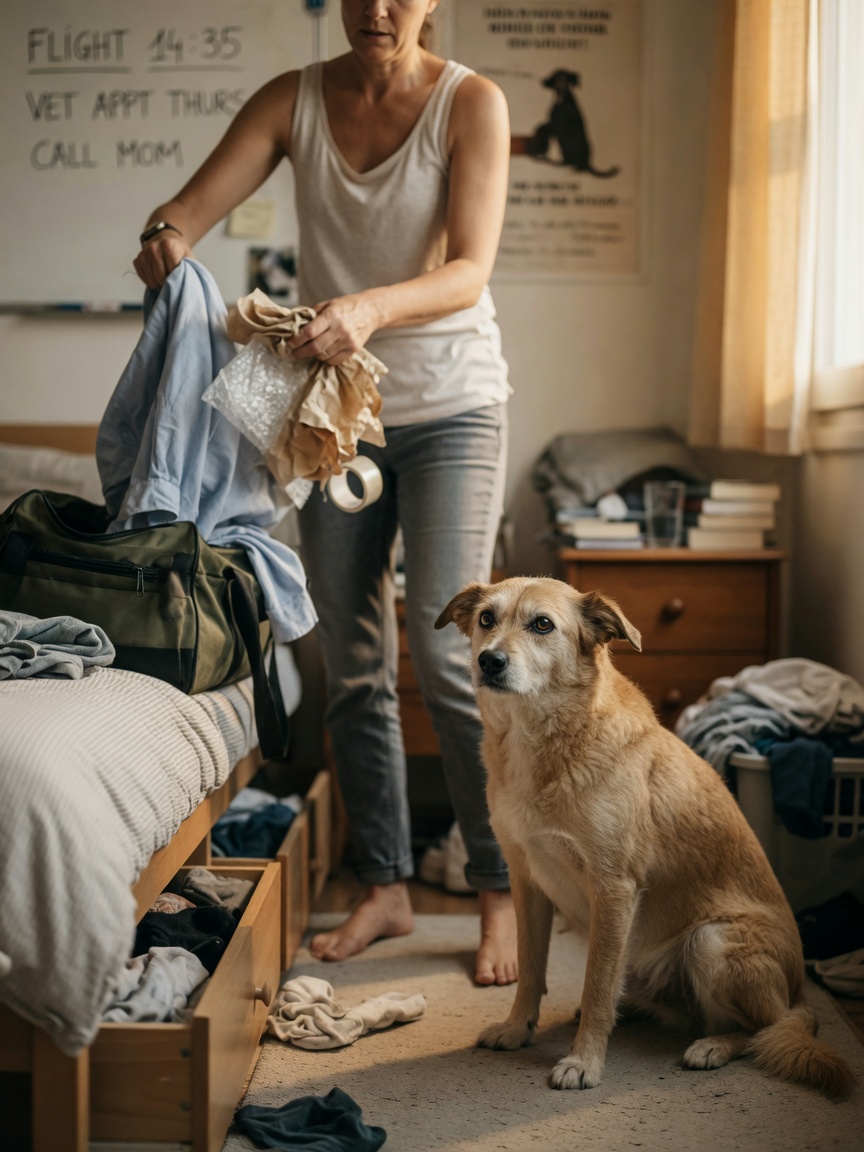
Dogs are intuitive creatures that mirror human emotions. When you're preparing for a trip, you're likely experiencing stress, excitement, or preoccupation—emotions that manifest in your body language and vocal tone. Your dog picks up on these subtle shifts and responds accordingly. If you're anxious about travel, your dog may absorb that anxiety and exhibit nervous behaviours.
Additionally, your movement patterns change when packing. You're typically more hurried, distracted, and moving through the house differently than usual. Dogs notice these deviations from normal behaviour immediately.
Common Behavioural Signs Your Dog Knows
If your dog has detected your impending departure, you might observe:
- Increased clinginess or shadowing your movements
- Whining or vocalisation
- Restlessness or pacing
- Loss of appetite or changes in eating habits
- Destruction of items or attention-seeking behaviours
- Reluctance to engage in normal activities
How to Help Your Dog Cope
Understanding that your dog senses your packing is the first step toward helping them manage separation anxiety. Consider these evidence-based strategies:
- Maintain routine: Keep meal times, walks, and play sessions consistent
- Stay calm: Project relaxed energy to avoid transferring anxiety
- Practice departures: Leave for short periods to normalise your absence
- Use calming aids: Consult your vet about supplements or anxiety management techniques
- Arrange familiar care: Ensure your dog stays with someone they know and trust
- Leave comfort items: A worn piece of your clothing provides reassuring scent
Key Takeaways
Your dog absolutely knows when you're packing for a trip—not through psychic abilities, but through a combination of enhanced sensory perception, learned associations, and emotional sensitivity. Rather than viewing this as problematic, use this awareness as an opportunity to prepare your dog properly for your absence. With patience, consistency, and reassurance, you can help your furry companion feel more secure when travel disrupts your regular routine. Remember, the anxiety your dog experiences is real to them, and addressing it compassionately strengthens your bond whilst you're away.