
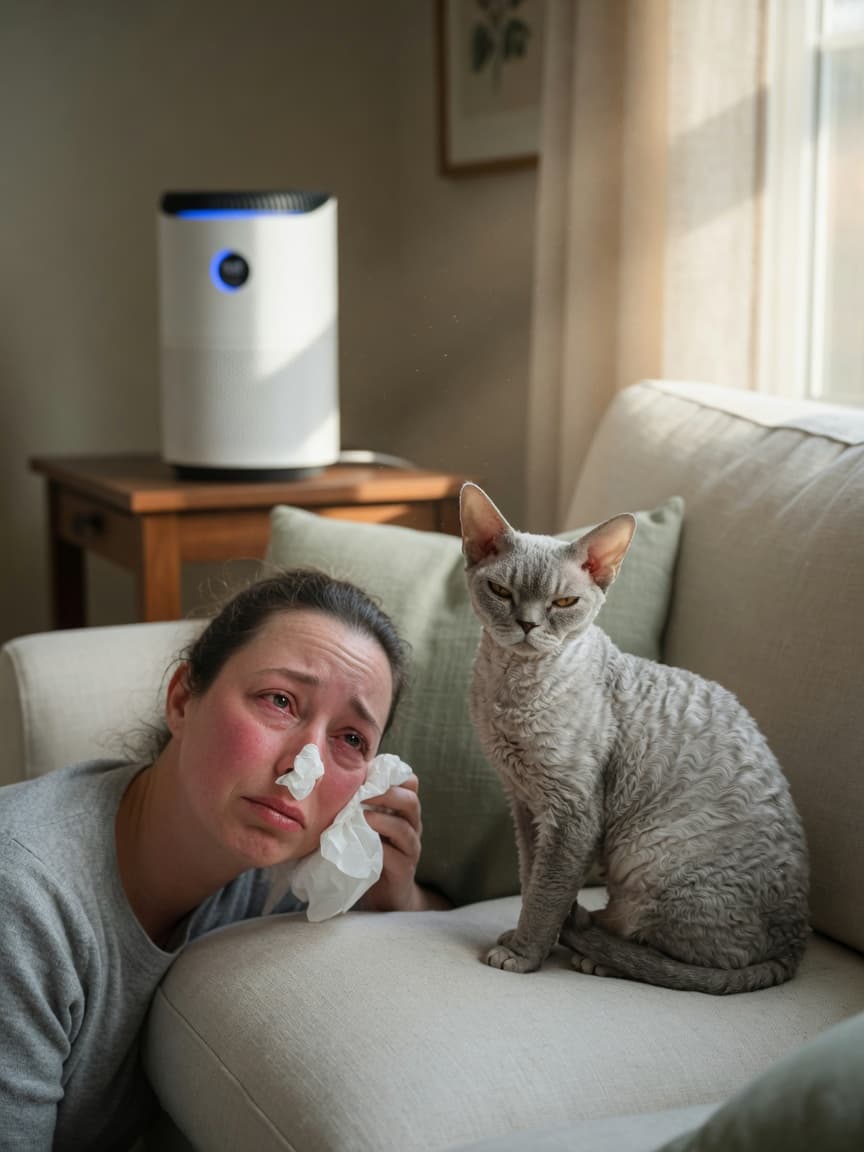
Do Hypoallergenic Cats Exist?
If you're a cat lover with allergies, you've probably heard the term "hypoallergenic cat" thrown around quite liberally. Pet shops, breeders, and online forums often promote certain breeds as allergy-friendly solutions, offering hope to those who thought they could never share their home with a feline companion. But here's the truth: genuinely hypoallergenic cats don't actually exist. However, this doesn't mean you're without options. Understanding what causes cat allergies and which breeds produce fewer allergens can help you make an informed decision.
What Actually Causes Cat Allergies?
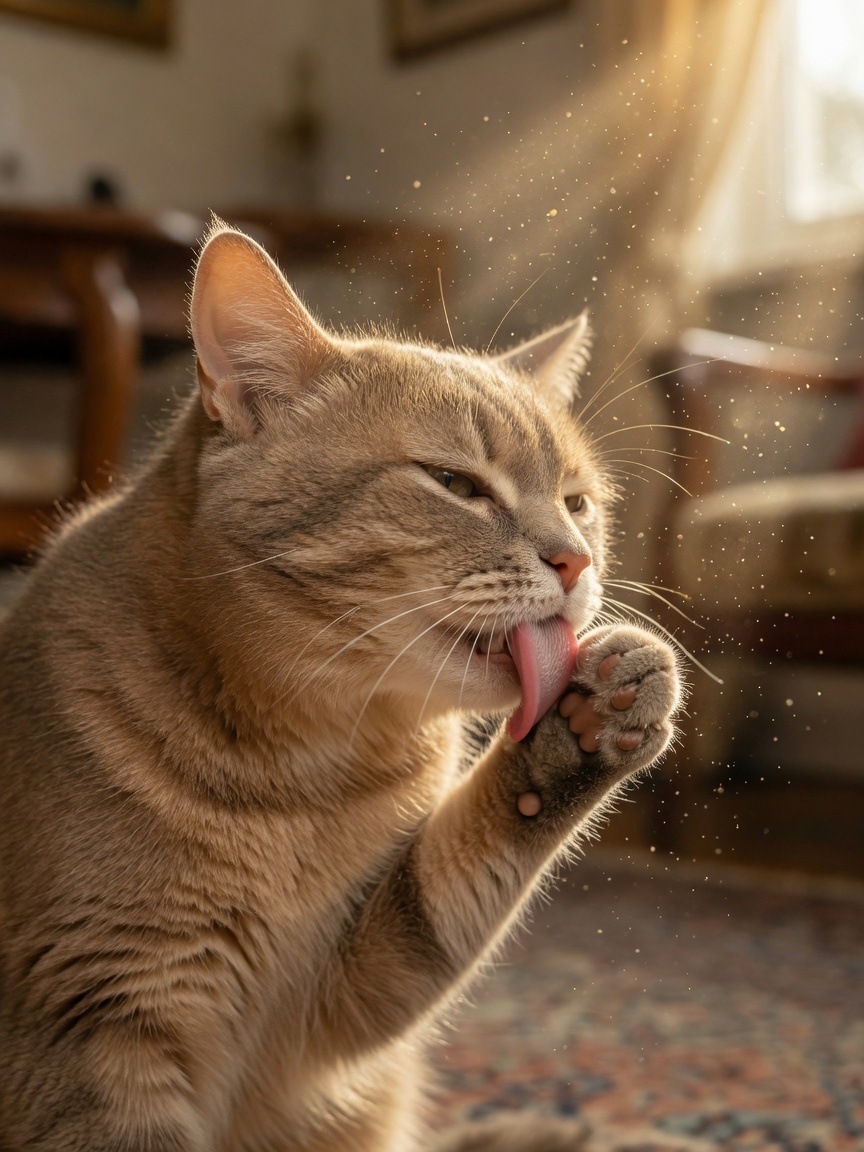
Most people assume cat allergies come from fur, but that's a common misconception. The primary culprit is a protein called Fel d 1, found in a cat's saliva, urine, and skin glands. When cats groom themselves—which they do frequently—this protein gets deposited onto their fur and throughout your home. It's incredibly sticky and can remain airborne for hours, settling on furniture, carpets, and clothing.
A smaller percentage of cat allergies stem from a protein called Fel d 4, found mainly in cat urine. Some individuals may react to both proteins, whilst others are sensitive to just one. This variation in allergic response is crucial to understanding why certain breeds seem to cause fewer reactions in some people.
The Difference Between "Hypoallergenic" and "Low-Allergen"
No cat breed is completely hypoallergenic—that's simply not scientifically possible when the allergen is produced by all cats. However, some breeds are considered "low-allergen" because they produce less Fel d 1 protein or shed less frequently. It's an important distinction that breeders and sellers should make clear.
Factors affecting allergen levels include:
- Frequency and intensity of grooming behaviour
- Coat type and shedding patterns
- Individual variation within breeds
- Sex and reproductive status of the cat
- Overall health and stress levels
Breeds That May Cause Fewer Allergic Reactions
Whilst no cat is truly hypoallergenic, some breeds have gained reputations for being more suitable for allergy sufferers:
- Sphynx: Nearly hairless, though not completely allergen-free
- Devon Rex: Produces less dander due to short, wavy coat
- Cornish Rex: Similar coat characteristics to Devon Rex
- Russian Blue: Known for lower allergen production
- Balinese: Paradoxically, produces less Fel d 1 despite long fur
It's essential to note that individual cats vary considerably. You might react to one Devon Rex but not another, depending on their specific allergen levels and grooming habits.
Practical Strategies to Reduce Cat Allergens
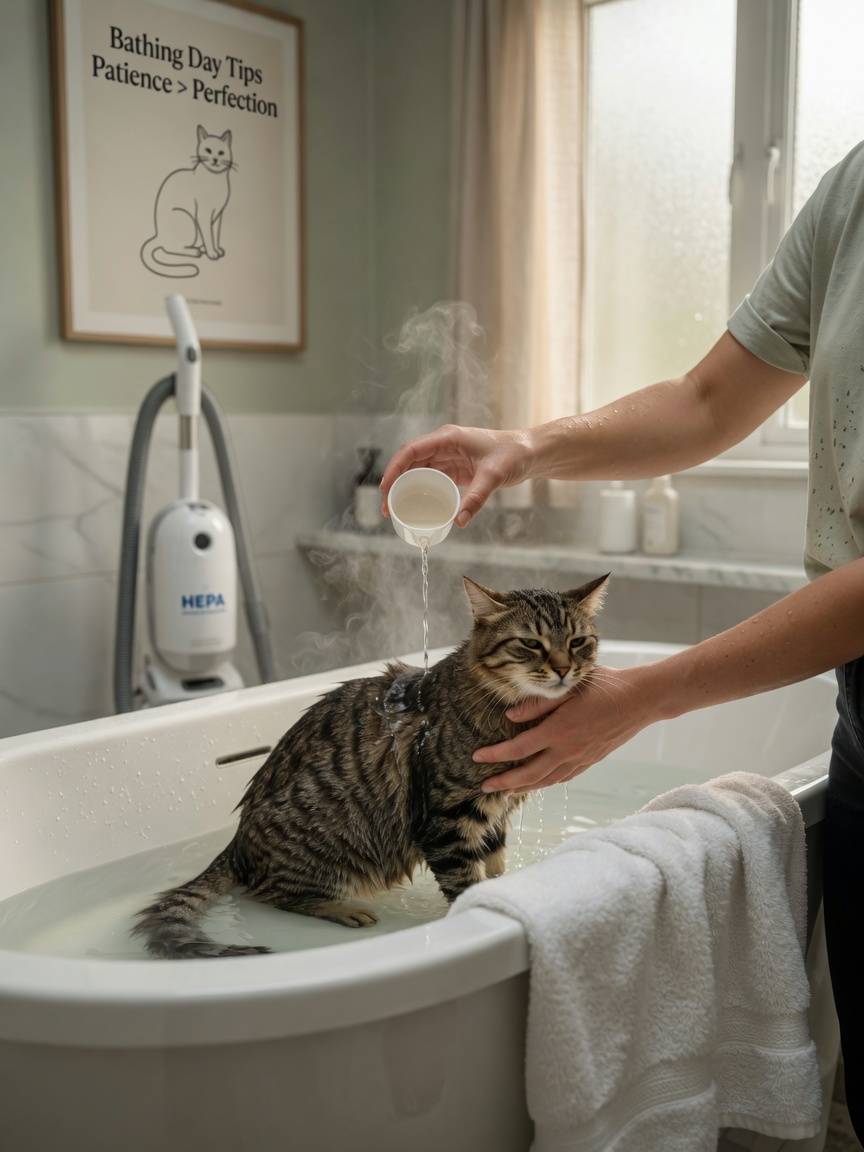
If you're determined to share your home with a cat despite allergies, several evidence-based approaches can help minimise exposure:
- Use high-efficiency particulate air (HEPA) filters in your vacuum and home air purifiers
- Wash your cat weekly—studies show this reduces airborne allergens by up to 84%
- Keep your cat out of bedrooms and off furniture
- Use allergen-reducing furniture covers and washable rugs
- Consult an allergist about immunotherapy options
- Maintain regular grooming to minimise shedding
Testing Before Commitment
Before adopting any cat, spend substantial time with the specific breed and individual animal you're considering. Visit the breeder or rescue centre multiple times. Some allergic responses take days or weeks to develop, so a single visit may not reveal your full reaction.
Key Takeaways
True hypoallergenic cats don't exist, but low-allergen breeds do produce fewer allergic triggers for some people. Your best approach involves choosing a breed with a lower allergen profile, combining this with environmental controls like HEPA filtration and regular washing, and consulting healthcare professionals about managing your allergies. With dedication and the right strategies, many people with cat allergies successfully enjoy feline companionship.