
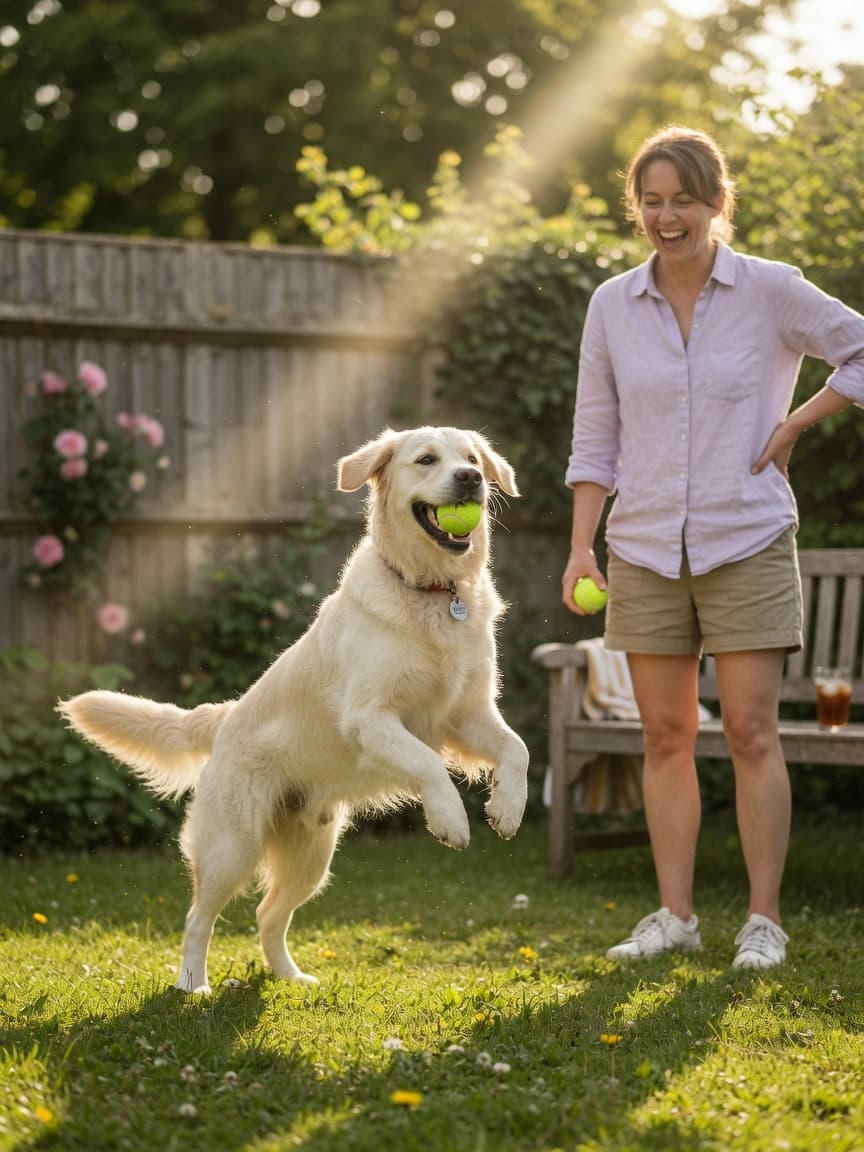
Do You Know How To Play With A Dog?
Playing with your dog isn't just about having fun together—it's one of the most important investments you can make in their physical health, mental wellbeing, and your relationship. Yet many pet owners struggle to understand what constitutes appropriate play, how much is enough, and which activities suit their individual dog. Whether you have a boisterous Labrador or a gentle Spaniel, learning to play correctly can transform your dog's behaviour, fitness levels, and overall happiness.
Why Play Matters for Your Dog's Health
Regular play is as vital to your dog's wellbeing as proper nutrition and veterinary care. During play, dogs release endorphins, reduce stress hormones, and maintain healthy muscle mass and cardiovascular fitness. For younger dogs, play supports crucial development and helps them learn social skills and appropriate boundaries. For older dogs, gentle play keeps joints flexible and minds sharp, potentially delaying cognitive decline.
Dogs that don't receive adequate playtime often develop behavioural problems including destructive chewing, excessive barking, and anxiety-related issues. A well-exercised dog is significantly more likely to be calm, focused, and better behaved in your home.
Understanding Your Dog's Play Style
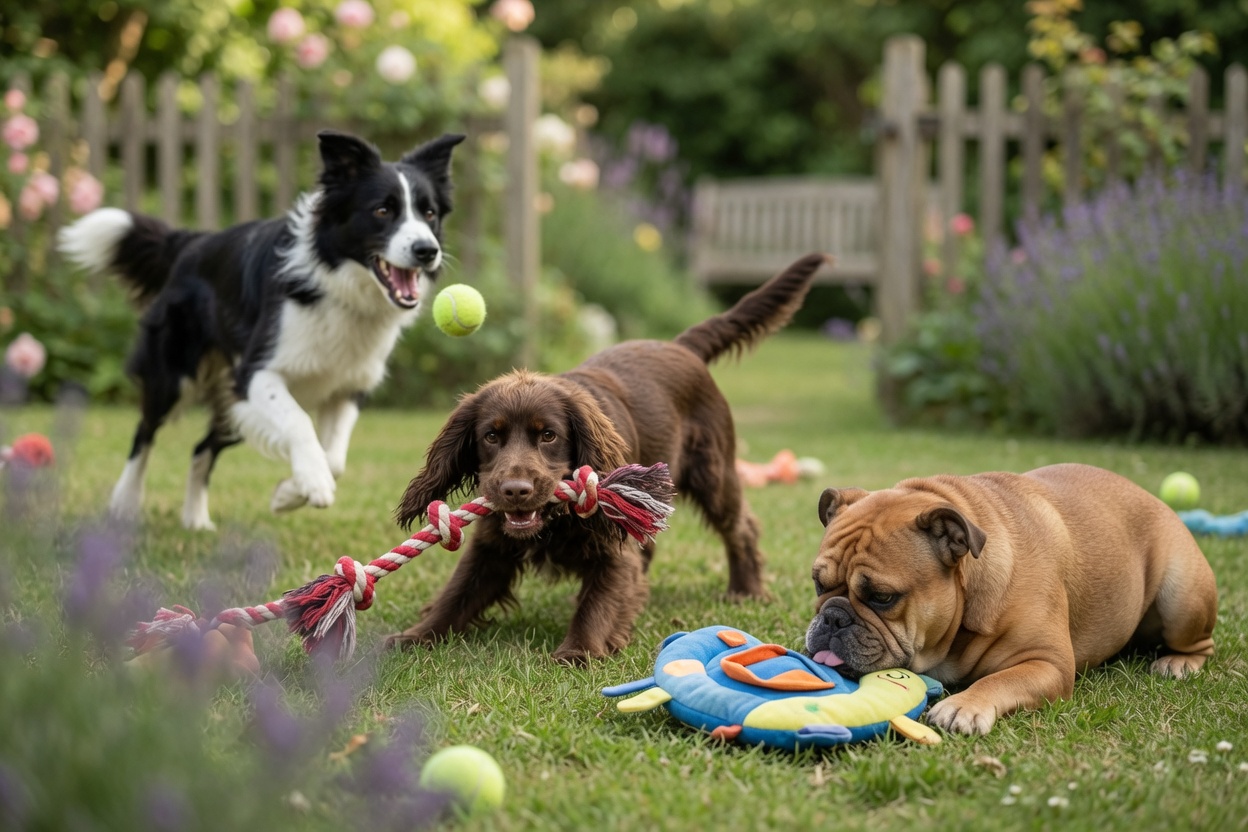
Not all dogs enjoy the same type of play. Recognising your individual dog's preferences and energy level is essential for safe, enjoyable interactions.
- High-energy breeds (Border Collies, Jack Russell Terriers) thrive with fast-paced chase games, fetch, and agility activities
- Moderate-energy dogs (Beagles, Cocker Spaniels) enjoy a mix of fetch, tug-of-war, and interactive games
- Low-energy breeds (Bulldogs, Basset Hounds) prefer shorter sessions with gentle retrieval or nose-work games
- Senior dogs benefit from low-impact activities like slow walks, sniffing games, and short play sessions
Safe Play Guidelines
Whilst playing is beneficial, following safety guidelines prevents injuries and establishes healthy boundaries.
- Set clear rules – Teach your dog when play starts and stops with consistent cues like "play time" and "that's enough"
- Avoid rough handling – Never grab your dog's face, encourage jumping up, or allow play-biting of hands
- Play in safe spaces – Use fenced gardens or secure areas away from traffic and hazards
- Monitor intensity – Stop play immediately if your dog shows signs of exhaustion, stress, or overheating
- Supervise multi-dog play – Watch interactions between dogs closely to prevent escalation
- Use appropriate toys – Choose sizes that prevent choking hazards and remove damaged toys immediately
Best Types of Play Activities
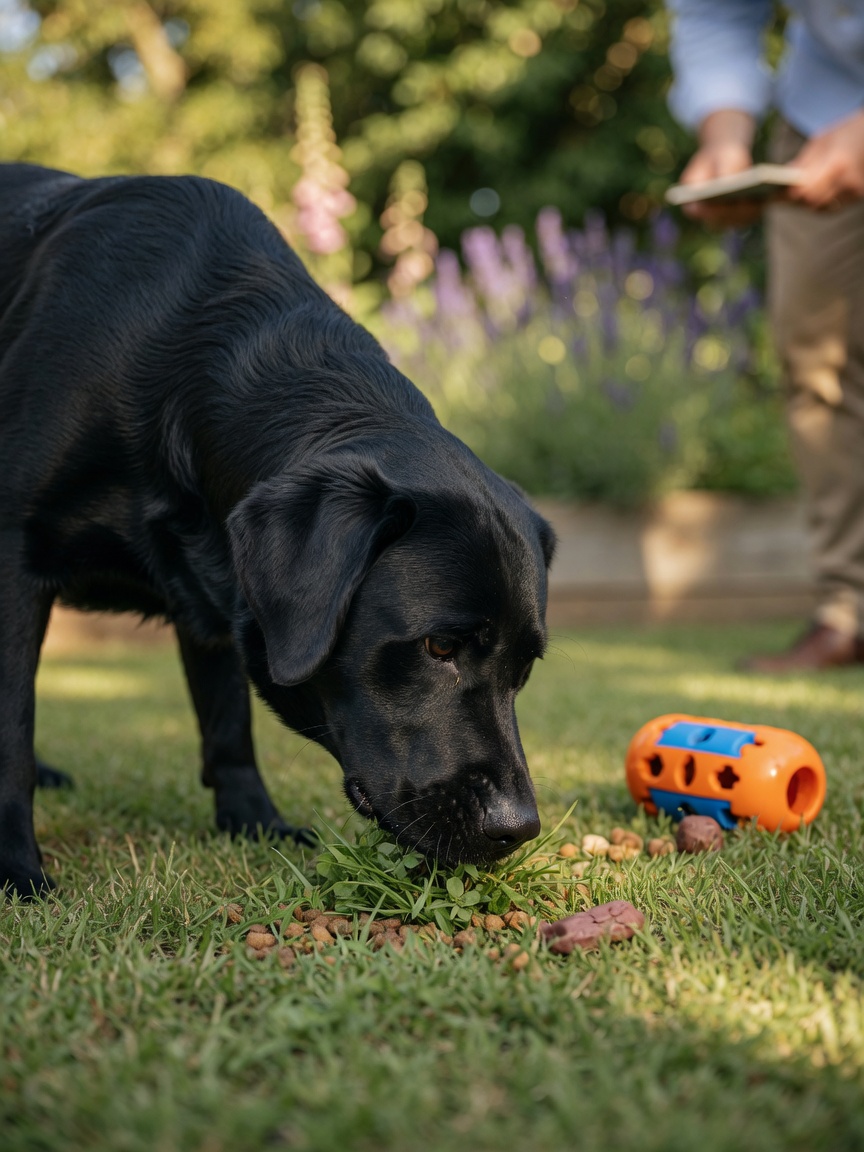
Fetch and retrieval games are excellent for exercise and mental stimulation. Start with short distances and ensure your dog enjoys bringing items back. Tug-of-war is perfectly safe when played correctly—allow your dog to win occasionally and maintain control by teaching a "drop" command. Chase games in safe spaces satisfy prey drive, whilst nose-work and scent games provide mental enrichment that tires dogs more effectively than physical exercise alone.
Interactive toys that dispense treats encourage problem-solving, and puzzle games are particularly valuable for dogs with lower physical energy but high intelligence.
How Much Play Does Your Dog Need?
Most adult dogs require 30 to 120 minutes of play daily, depending on breed, age, and individual temperament. Puppies and adolescents often need more frequent, shorter sessions to match their developing attention spans. Senior dogs benefit from 20 to 30 minutes of gentle activity daily. Pay attention to your dog's individual needs—some dogs naturally want more activity, whilst others are content with less.
Key Takeaways
Effective play is a skill that enhances both your dog's health and your bond. Start by understanding your individual dog's preferences and energy level, maintain safety through clear boundaries and appropriate toys, and commit to consistent daily play sessions. Watch your dog's body language for signs of enjoyment or fatigue, and remember that mental stimulation through games like nose-work is just as valuable as physical exercise. A dog that receives appropriate, regular play is happier, healthier, and far more rewarding to live with—making it one of the best health investments you can make.