
Does Catnip Make Cats High?
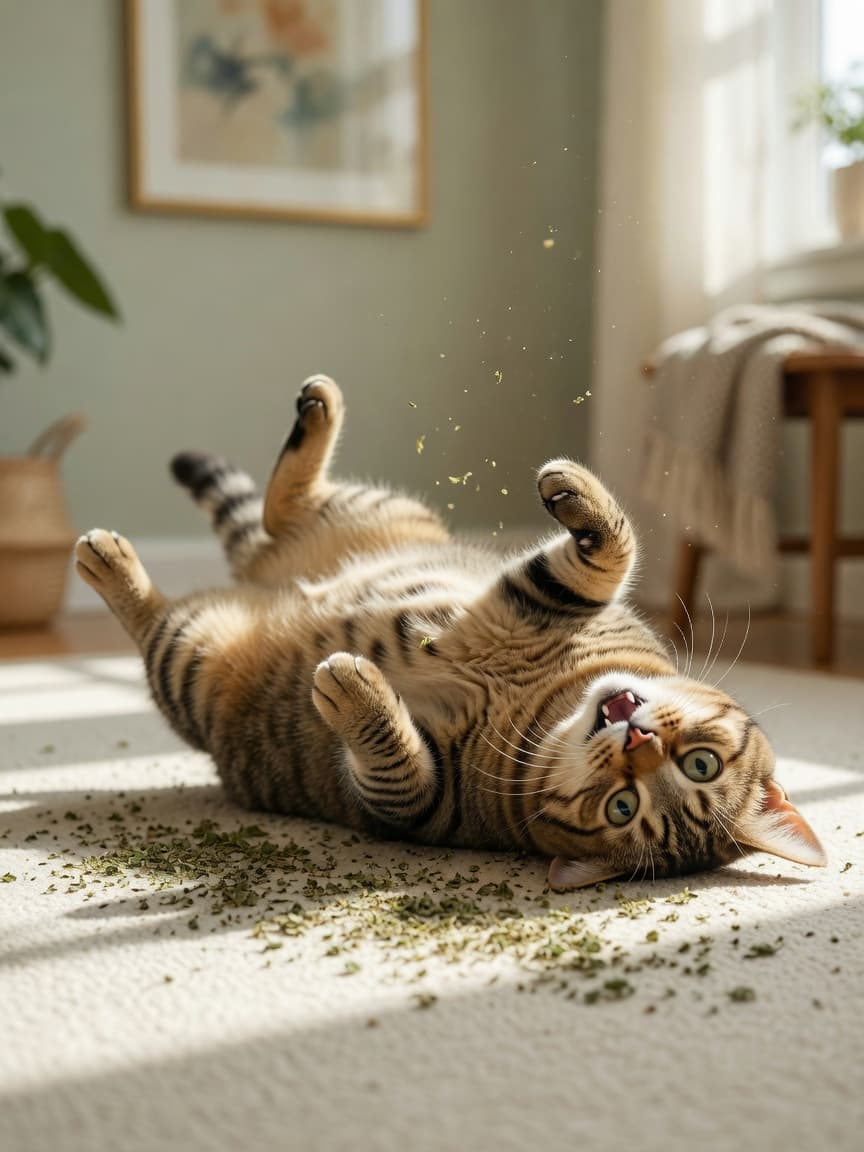
If you've ever watched your cat transform into a playful, rolling, purring bundle of joy after encountering catnip, you've probably wondered what's actually happening. Is your feline friend experiencing something similar to a "high"? The short answer is yes—but not in the way you might think. Catnip creates a euphoric response in cats, though it's quite different from how humans experience intoxication. Understanding this fascinating plant and its effects can help you use it safely and effectively to enrich your cat's life.
What Is Catnip and How Does It Work?
Catnip, scientifically known as Nepeta cataria, is a perennial herb belonging to the mint family. The magic lies in a volatile oil called nepetalactone, which is found in the plant's leaves, stems, and seeds. When cats smell this compound, it binds to receptors in their nasal tissue, triggering a response in the brain's olfactory system.
This neurological reaction activates the same regions of the brain associated with pheromones—the natural chemical signals cats use to communicate with each other. Essentially, catnip tricks your cat's brain into a state of heightened pleasure and stimulation.
The "High" Explained: What Your Cat Is Actually Experiencing
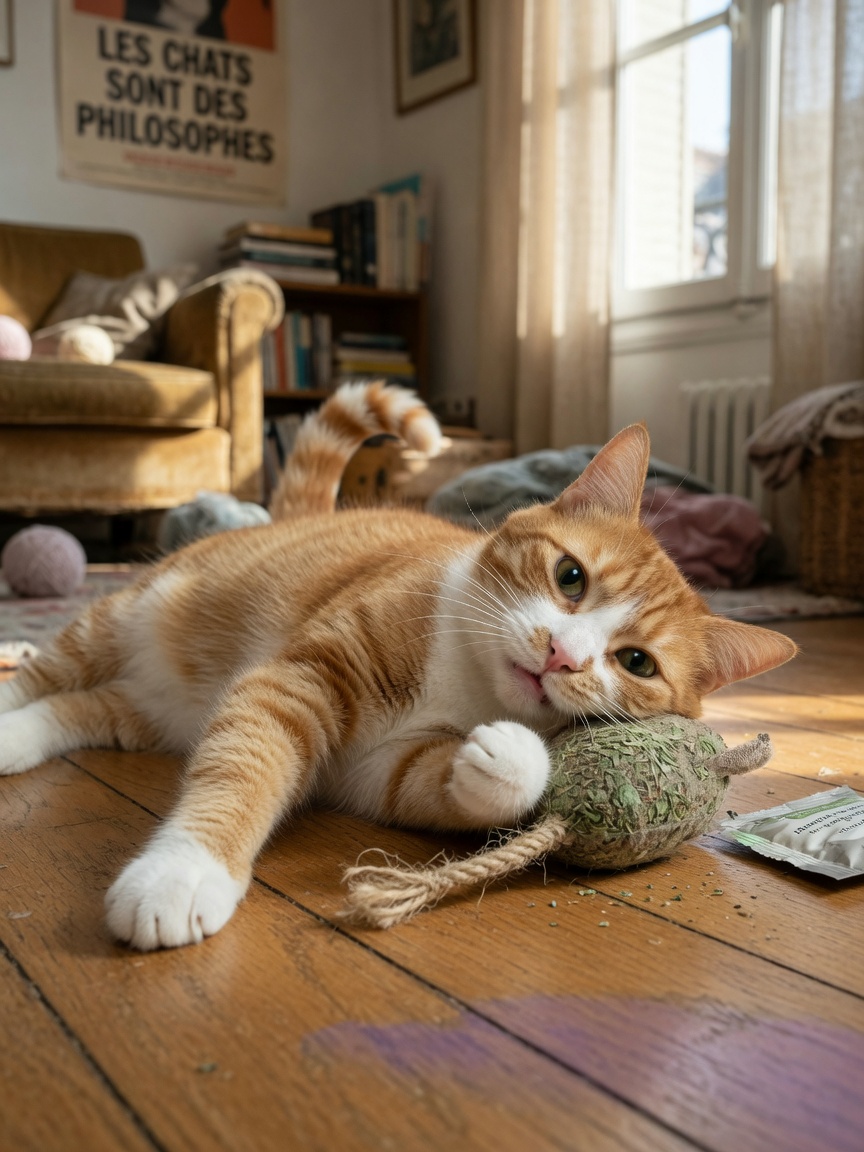
The catnip response does resemble a mild euphoria or altered state, which is why it's often compared to a "high." The effects typically include:
- Heightened playfulness and increased activity
- Rolling, rubbing, and thrashing about
- Purring and vocalisation
- A sense of relaxation following the initial excitement
- Dilated pupils and heightened sensory awareness
However, this is not the same as drug intoxication in humans. Your cat remains in control and is not experiencing any toxins or harmful substances. The response is entirely natural and harmless, triggered by a plant compound that has evolved alongside feline biology.
Not All Cats Respond to Catnip
Interestingly, approximately 30-40% of cats show little to no response to catnip. This sensitivity is genetic. Kittens under 8 weeks old rarely respond, and the sensitivity tends to decrease in senior cats over 12 years old. Whether your cat is a catnip enthusiast or indifferent is largely predetermined by their DNA.
If your cat doesn't react to catnip, don't worry—many cats respond equally well to silver vine or valerian root, which offer similar effects.
Safe Use: Guidelines for Cat Owners
Catnip is non-toxic and safe for cats, but moderation is key. Follow these practical guidelines:
- Limit frequency: Use catnip 2-3 times weekly rather than daily to prevent your cat from building tolerance
- Choose quality: Select dried catnip that's been stored in a cool, dark place to maintain potency
- Monitor quantity: A small pinch is sufficient—your cat doesn't need much to enjoy the effects
- Supervise initially: Watch your cat's first encounter to ensure they respond well
- Store securely: Keep catnip in an airtight container away from direct sunlight
Benefits Beyond Entertainment
While catnip is primarily known for fun, it offers genuine health benefits. It can encourage exercise and play in indoor cats, helping combat obesity and boredom-related behavioural issues. Additionally, the relaxation phase that follows intense catnip play can help anxious cats unwind.
Key Takeaways
Catnip does produce a mild "high" in receptive cats, but it's a natural, harmless response to a plant compound rather than intoxication. It's safe, enjoyable, and can contribute positively to your cat's physical and mental wellbeing when used appropriately. Whether your cat is a catnip enthusiast or shows no interest, both responses are completely normal. By understanding how catnip works, you can use it thoughtfully to enhance your cat's enrichment and happiness.