

Does Medicaid Cover Pets? What You Need to Know
As a pet owner facing financial constraints, you may wonder whether Medicaid—the government health insurance programme for low-income individuals—can help cover your beloved pet's veterinary care. Unfortunately, the answer is straightforward: Medicaid does not cover pets. However, this doesn't mean you're without options. Understanding what financial assistance is actually available can help you provide the best care for your furry companion whilst managing your budget effectively.
Why Medicaid Doesn't Cover Pet Healthcare
Medicaid is exclusively designed to cover healthcare services for eligible humans. The programme focuses on essential medical treatments, prescriptions, and preventative care for people in financial hardship. Pets, whilst cherished family members, fall outside the scope of this public health insurance system. This distinction exists because Medicaid is funded through government budgets allocated specifically for human health services.
Recognising the financial burden of veterinary care is important, but finding alternative solutions requires exploring other avenues of support.
Alternative Financial Assistance for Pet Care
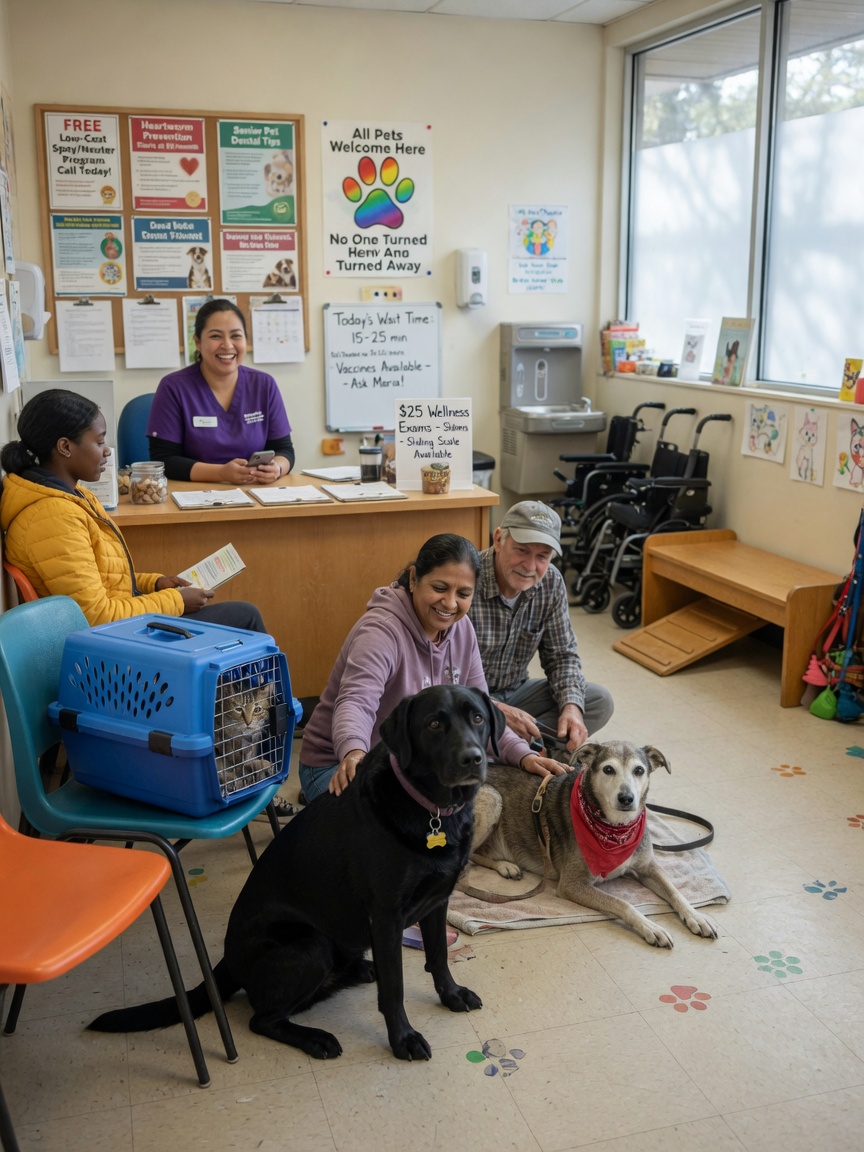
Several genuine options can help reduce veterinary costs for those on limited incomes:
- Low-cost veterinary clinics: Many communities operate affordable veterinary services specifically designed for low-income pet owners. These clinics offer essential services at significantly reduced rates.
- Pet insurance: Whilst not a government programme, pet insurance can help manage unexpected veterinary expenses by covering routine and emergency care.
- Charitable organisations: Groups like the RSPCA, Blue Cross, and local animal charities often provide financial assistance for pet medical care.
- Veterinary payment plans: Many modern veterinary practices offer payment arrangements that spread costs over several months, sometimes interest-free.
- Prescription assistance programmes: Some pharmaceutical companies offer discounts on pet medications for qualifying families.
Finding Low-Cost Veterinary Services
Your first step should be researching veterinary services in your area. Contact your local council or animal welfare organisations to locate affordable clinics. Many offer preventative services like vaccinations, neutering, and microchipping at reduced costs. These preventative measures actually save money long-term by avoiding expensive emergency treatments.
Government and Charity Support Systems
Whilst Medicaid won't help directly, other support may be available:
- Local animal welfare organisations often have emergency pet medical funds
- Food banks increasingly offer pet food supplies alongside human food
- Council housing authorities may have information about pet-friendly assistance programmes
- Veterinary schools sometimes offer discounted services through teaching clinics
Protecting Your Pet's Health on a Budget
Prevention is more affordable than treatment. Focus on:
- Regular, affordable preventative care through low-cost clinics
- Maintaining a healthy weight to reduce disease risk
- Keeping vaccinations current to prevent costly illnesses
- Providing quality nutrition appropriate to your pet's age and health status
- Regular home grooming and hygiene practices
Key Takeaways
Medicaid does not cover pet healthcare costs, as it's exclusively designed for human health services. However, you have multiple alternatives available. Explore low-cost veterinary clinics, pet insurance options, charity support, and veterinary payment plans in your area. Contact local animal welfare organisations like the Blue Cross or RSPCA for guidance on affordable services near you. By prioritising preventative care and researching available resources, you can provide excellent healthcare for your pet without breaking your budget. Your dedication to finding solutions demonstrates your commitment to your pet's wellbeing.