
What Is Arthritis in Dogs?
Arthritis, or more precisely osteoarthritis (OA), is a degenerative joint disease in which the cartilage that cushions the joints gradually breaks down. As the protective cartilage erodes, bones begin to contact one another, causing pain, inflammation, and the formation of bony outgrowths called osteophytes. Over time, the joint becomes progressively stiffer and less functional.
Osteoarthritis is not simply a disease of old age, though ageing is the most common risk factor. Dogs with a history of joint injuries, developmental conditions such as hip or elbow dysplasia, obesity, or certain breeds with known orthopaedic vulnerabilities are at increased risk at any age. Breeds such as Labrador Retrievers, German Shepherds, Golden Retrievers, and Rottweilers are particularly prone to joint disease.
How Common Is Arthritis in Dogs?
Arthritis is considerably more prevalent than most owners realise. Estimates suggest that approximately one in five adult dogs is affected, with the proportion rising steeply in older animals. Among dogs over the age of eight, the majority will have some degree of joint disease, whether or not it has been formally diagnosed. Despite this prevalence, arthritis remains chronically underdiagnosed, largely because dogs are stoic and instinctively mask signs of pain.
Recognising the Signs of Arthritis
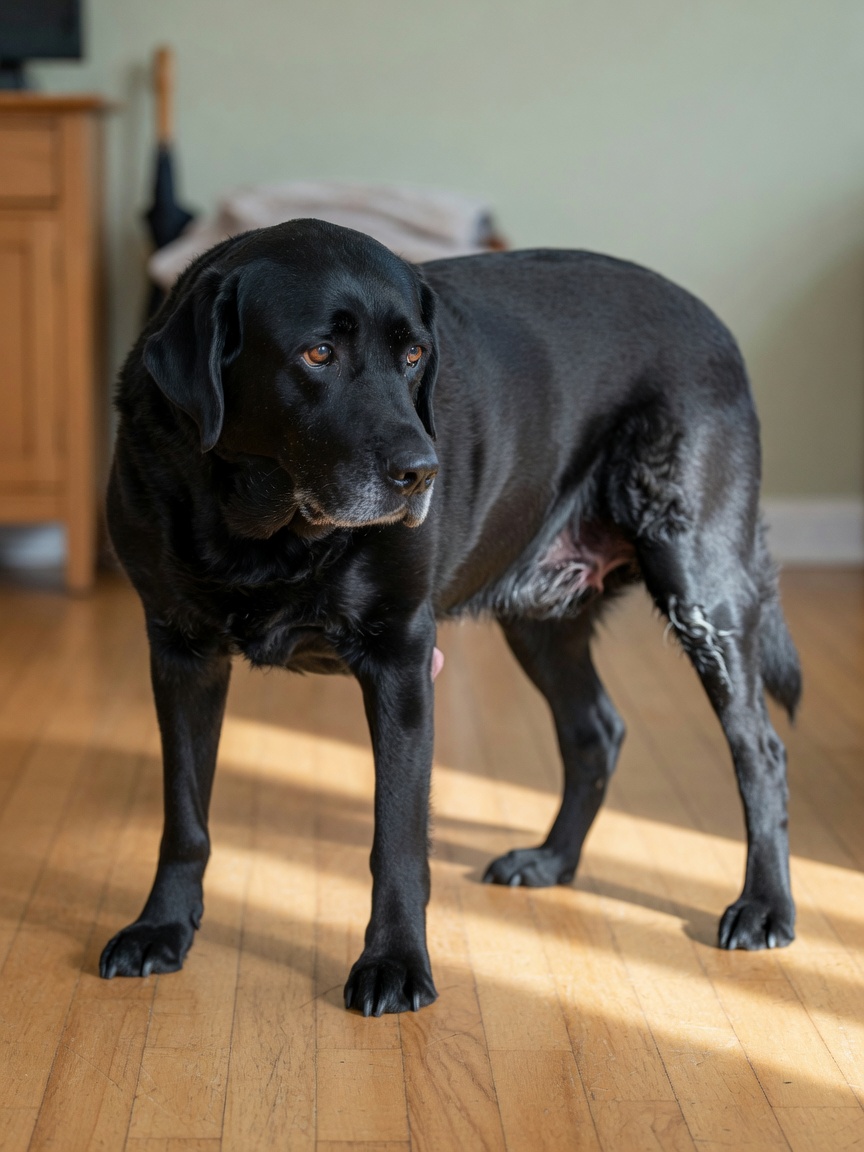
Because dogs rarely vocalise chronic pain in obvious ways, owners need to know what to look for. The signs of arthritis in dogs are often behavioural and positional rather than dramatic.
- Stiffness when getting up after rest, particularly first thing in the morning or after long periods of lying down
- Reluctance to climb stairs, jump into the car, or access previously easy surfaces
- A shortened stride or altered gait, particularly noticeable on hard floors
- Licking, chewing, or biting at specific joints
- Muscle wasting, particularly visible in the hindquarters
- Behavioural changes such as irritability, reduced tolerance of handling, or withdrawing from interaction
- Reduced enthusiasm for walks or play that a dog previously enjoyed
Many owners attribute these changes to "just getting old" and accept them as inevitable, but this is a significant mistake. Pain from arthritis is treatable, and allowing a dog to suffer unnecessarily out of misplaced acceptance is avoidable.
Diagnosis
A vet will typically diagnose arthritis through a combination of a full physical examination, assessment of joint range of motion, and radiographs (X-rays) to visualise changes in the joint architecture. Additional imaging such as CT scanning or MRI may be used in complex cases. There is no blood test that diagnoses osteoarthritis directly, though bloodwork may be used to rule out other conditions or to assess suitability for long-term medication.
Treatment: WSAVA and IVAPM Pain Management Guidelines
The World Small Animal Veterinary Association (WSAVA) and the International Veterinary Academy of Pain Management (IVAPM) both advocate a multimodal approach to arthritis management — that is, combining multiple treatment strategies rather than relying on any single intervention. This approach is consistently more effective than medication alone.
NSAIDs: Prescription Anti-Inflammatory Medication
Non-steroidal anti-inflammatory drugs (NSAIDs) are the mainstay of arthritis pain management in dogs and are available on veterinary prescription only. Drugs such as meloxicam, carprofen, and grapiprant are highly effective at reducing inflammation and relieving pain. Long-term use requires periodic blood monitoring to check liver and kidney function. Never administer human NSAIDs such as ibuprofen or aspirin to dogs — they are toxic and potentially fatal.
Joint Supplements
Glucosamine, chondroitin, and omega-3 fatty acids (particularly EPA and DHA from fish oil) are widely used as adjuncts to medical treatment. The evidence base for joint supplements is mixed, with some studies showing modest benefit and others showing no significant effect. That said, they are generally safe and well tolerated, and many owners report visible improvements in their dog's mobility. They are most useful as part of a broader management plan rather than as a standalone treatment.
Physiotherapy and Hydrotherapy
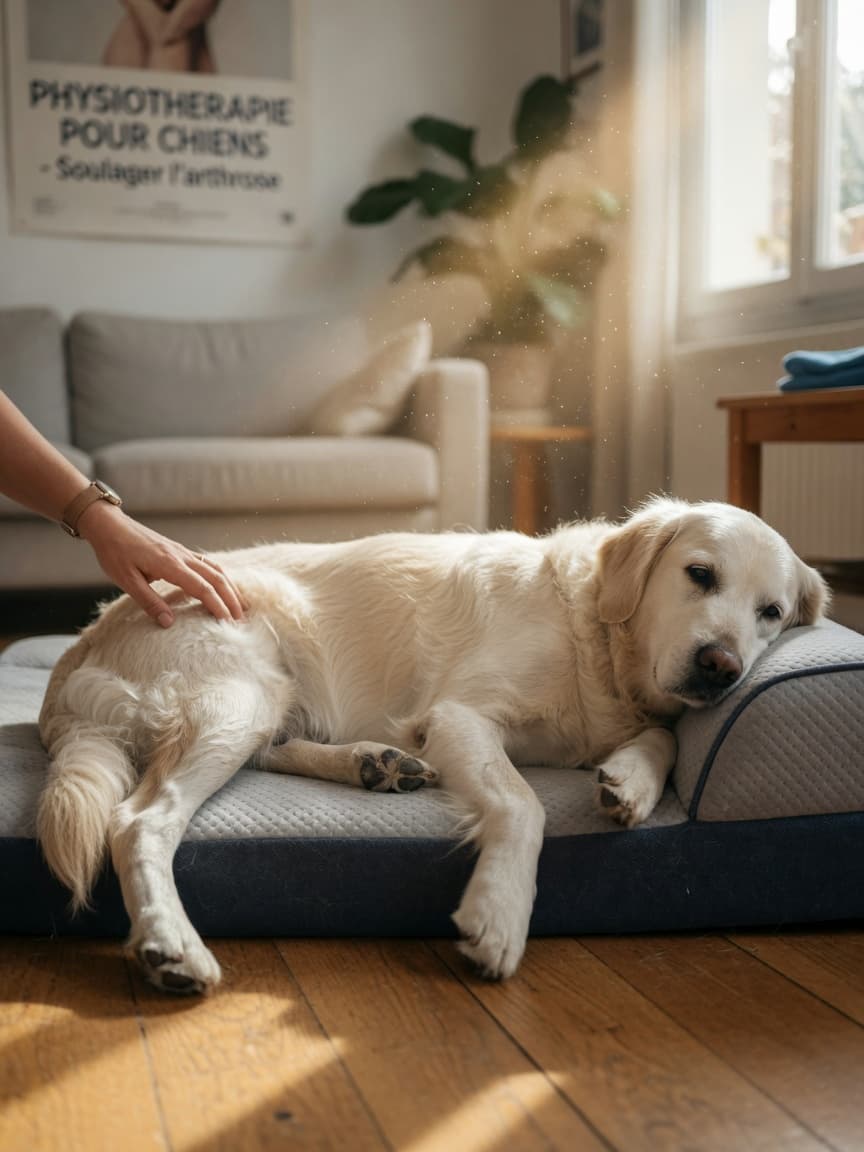
Veterinary physiotherapy and hydrotherapy are highly effective components of arthritis management. Hydrotherapy — swimming or treadmill exercise in water — allows dogs to work their joints through a full range of motion with minimal weight-bearing stress. It builds muscle, improves circulation, and reduces stiffness. Physiotherapy includes massage, therapeutic exercise, laser therapy, and other modalities. Both disciplines should be practised by qualified veterinary professionals.
Weight Management
Weight management may be the single most impactful intervention available for arthritic dogs. Every kilogram of excess body weight places additional mechanical stress on painful joints and increases systemic inflammation. Even modest weight loss in an overweight arthritic dog can produce a dramatic improvement in mobility and comfort. Your vet can recommend an appropriate weight loss programme, including a calorie-controlled diet and exercise plan.
Newer Treatments: Monoclonal Antibodies
A significant recent development in canine arthritis management is the arrival of monoclonal antibody treatments. Librela (bedinvetmab) is a monthly injectable treatment that targets nerve growth factor (NGF), a key mediator of arthritis pain. Clinical trials have demonstrated meaningful improvements in pain scores and mobility, and it is now available through veterinary practices across Europe. It represents an important addition to the treatment toolkit, particularly for dogs who do not respond adequately to NSAIDs or who have conditions that limit their use.
Home Adaptations for Arthritic Dogs
The home environment can be modified significantly to reduce pain and improve function for an arthritic dog. These changes are low-cost but genuinely impactful.
- Orthopaedic memory foam beds provide superior joint support compared to standard dog beds and can reduce morning stiffness considerably. Zooplus stocks a range of orthopaedic beds suitable for dogs of all sizes, along with joint supplements.
- Non-slip flooring or the addition of rubber-backed rugs on slippery surfaces helps dogs maintain their footing and reduces the joint strain of slipping.
- Ramps or steps allow dogs to access cars, sofas, or beds without jumping, which is particularly hard on the elbows and hips.
- Raised food and water bowls reduce neck and shoulder strain for dogs with forelimb arthritis.
- Keeping the dog warm, particularly at night and in cold or damp weather, helps manage stiffness. A warm environment, a coat on winter walks, and a well-insulated sleeping area all make a difference.
When to See Your Vet
If you notice any of the signs described above, book a veterinary appointment promptly. Pain assessment is a core part of veterinary care and your vet can offer a comprehensive management plan tailored to your dog's specific needs, overall health, and lifestyle. Arthritis cannot be cured, but with the right approach it can be very well managed — most dogs with treated arthritis go on to live comfortable, active lives.