
How Much Exercise Does Your Dog Need? A Breed-by-Breed Guide
Exercise is one of the pillars of canine health. It maintains healthy weight, supports cardiovascular fitness, builds and preserves muscle, and provides the mental stimulation that dogs need to feel content and settled. But not all dogs are the same, and assuming that more exercise is always better — or applying a one-size-fits-all approach — can cause real harm. Knowing what your individual dog needs based on its breed, age, and physical condition is the foundation of responsible care.
Working and Herding Breeds: 2 Hours or More Daily
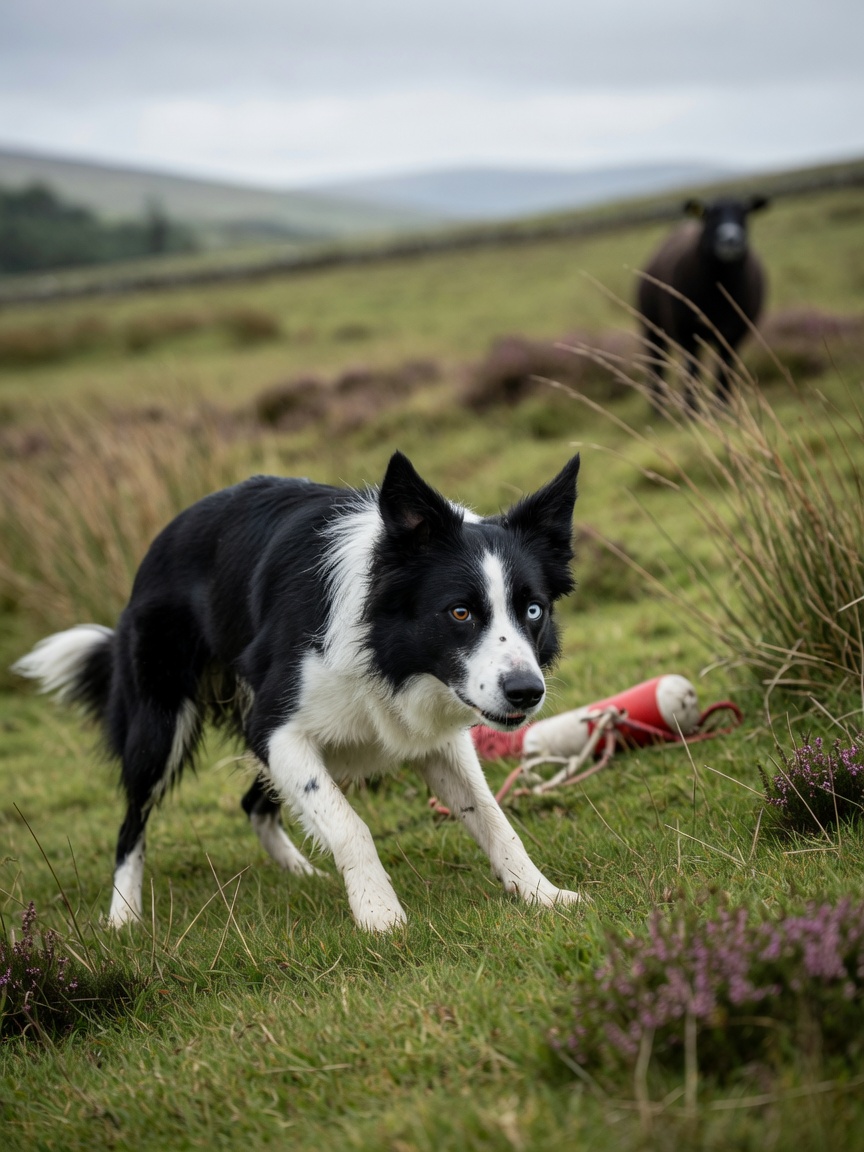
At the high end of the exercise spectrum sit the working, herding, and sledding breeds. These dogs were bred over centuries for sustained physical effort and complex mental tasks. Without adequate exercise and stimulation, they can become anxious, destructive, or develop compulsive behaviours.
Border Collie
The Border Collie is widely regarded as the most intelligent dog breed, and this intelligence comes with an extraordinary need for both physical exercise and mental engagement. Two hours of exercise daily is a minimum, but the quality of that exercise matters enormously. Simply running around a field is not sufficient — Border Collies need tasks, problem-solving, and directed activity. Herding, agility, flyball, obedience training, and scent work are all ideal. A bored Border Collie is a challenge to live with; an appropriately stimulated one is an exceptional companion.
Siberian Husky
Bred to run vast distances across frozen terrain, the Husky has stamina that can outlast most owners. Two or more hours of vigorous exercise daily is needed, and Huskies excel at activities such as canicross (running with your dog), bikejoring, and sled work in appropriate climates. They should always be exercised on a lead or in a fully secured area, as their prey drive and wandering instinct make them escape risks.
Belgian Malinois
The Belgian Malinois is a high-drive working dog used extensively in police and military roles. It requires not just two or more hours of physical exercise daily, but consistent mental challenge through training. The Malinois is not a suitable breed for the average family dog owner, and underestimating its needs leads to significant behaviour problems. If you own one, working with a professional trainer is strongly advisable.
Gundog Breeds: 1 to 2 Hours Daily
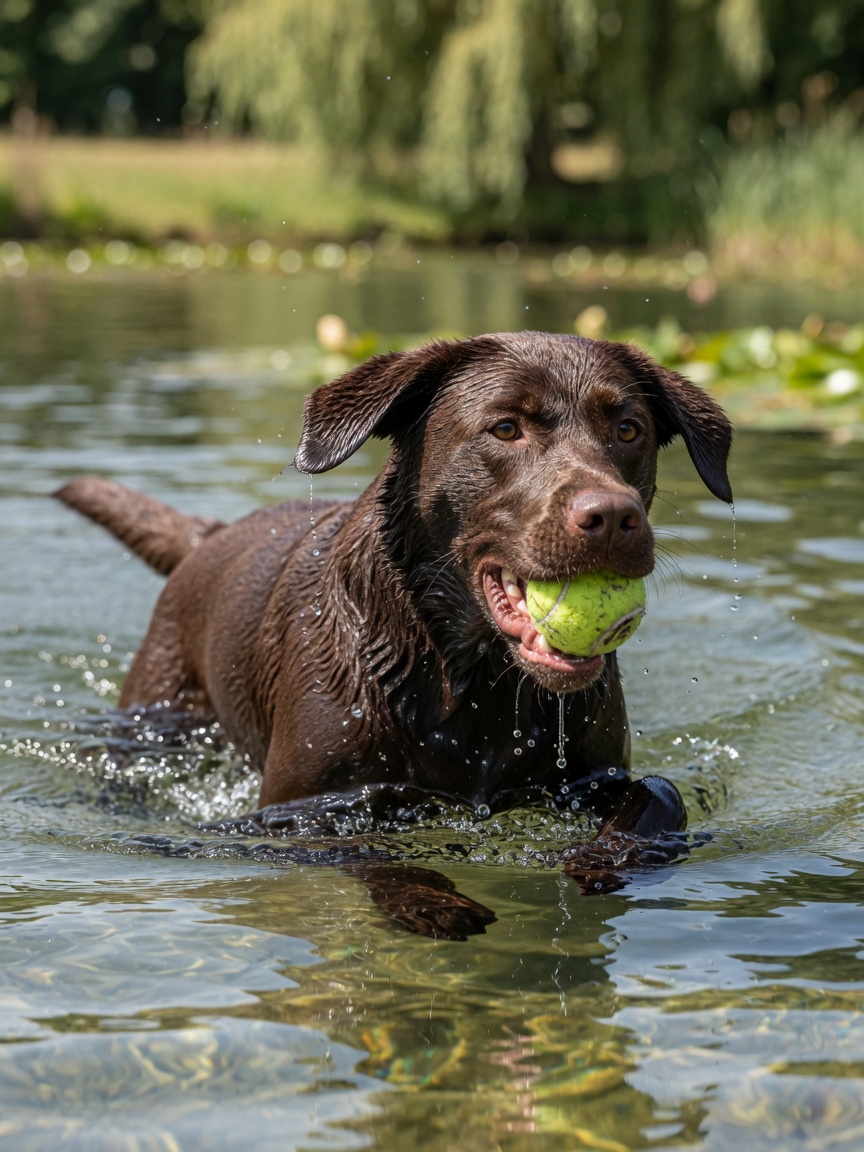
Gundog breeds — spaniels, retrievers, setters, and pointers — were bred to work alongside hunters, covering ground and retrieving game. They are energetic and enthusiastic but generally more adaptable to family life than the working breeds, provided their exercise needs are met.
Labrador Retriever
The Labrador is one of the UK's most popular family dogs and benefits from one to two hours of exercise daily. Labs love to swim, retrieve, and explore, and these activities make excellent exercise. They are also highly food-motivated, which can contribute to weight gain if exercise is insufficient. Obesity is a major health concern in the breed, making consistent exercise non-negotiable.
Spaniels (Cocker, Springer)
Working Cocker and Springer Spaniels are bundles of energy with excellent noses and a strong desire to hunt and retrieve. They benefit from one to two hours daily, ideally with off-lead time to explore and use their scenting ability. Show-bred lines of these breeds tend to be somewhat calmer than working lines, but all spaniels benefit from regular, meaningful exercise.
Toy and Small Breeds: 30 to 60 Minutes Daily
Toy breeds require far less physical exercise than working or gundog breeds, but this does not mean their needs are negligible. Many small dogs are sharper and more inquisitive than owners realise, and mental stimulation is at least as important as physical activity for this group.
A Yorkshire Terrier, Chihuahua, or Cavalier King Charles Spaniel will generally be well served by 30 to 60 minutes of activity daily, split across two or three outings. However, quality matters — a short walk punctuated by sniffing, exploration, and brief training exercises is far more satisfying for a small dog than the same distance covered at a march without opportunity to engage with the environment.
Mental enrichment for toy breeds should include:
- Puzzle feeders and food-dispensing toys
- Short, positive training sessions teaching new commands or tricks
- Scent games — hiding treats around the home or garden for the dog to find
- Socialisation with calm dogs and new environments
The Puppy Rule: 5 Minutes Per Month of Age
One of the most important exercise guidelines for dog owners is the puppy exercise rule, and it is consistently underappreciated. Puppies have immature skeletal systems with soft growth plates at the ends of their bones. Excessive exercise — particularly repetitive, high-impact, or sustained running — before these growth plates have closed can cause lasting joint damage and increase the risk of conditions such as hip dysplasia and osteochondrosis.
The widely accepted guideline is a maximum of five minutes of formal exercise per month of age, twice daily. This means:
- A 3-month-old puppy: maximum 15 minutes per outing, twice daily
- A 4-month-old puppy: maximum 20 minutes per outing, twice daily
- A 6-month-old puppy: maximum 30 minutes per outing, twice daily
This applies to structured walking and on-lead exercise. Gentle, self-directed play in a garden — where the puppy can choose to stop when it wants — is less concerning than enforced sustained exercise. Avoid repeated ball throwing, jumping, or stairs for young puppies, and do not take them jogging or running until growth is complete. In large breeds, the growth plates may not close until 18 months to two years of age.
Senior Dogs: Lower Impact, Still Essential
As dogs age, their exercise needs and capacity change, but the importance of keeping them moving does not diminish. Regular gentle exercise maintains muscle mass (which supports joints), keeps weight in check, and provides cognitive engagement. A senior dog that becomes sedentary loses muscle rapidly and is at greater risk of obesity and its associated complications.
The key for senior dogs is adapting exercise rather than stopping it:
- Shorter, more frequent outings rather than one long walk
- Avoiding hard surfaces where possible — grass and soft ground are kinder on arthritic joints
- Swimming and hydrotherapy: water exercise provides cardiovascular and muscular benefit with minimal joint impact. Hydrotherapy pools and underwater treadmills are widely available at veterinary physiotherapy practices and are particularly valuable for dogs with arthritis or post-surgical rehabilitation needs
- Avoiding steep hills or rough terrain that places excessive strain on hips, elbows, and the spine
If your senior dog is stiff after exercise or reluctant to walk, discuss pain management options with your vet — effective treatment for arthritis can significantly improve activity levels and quality of life.
Signs of Exercise Intolerance
It is important to recognise when a dog is struggling with the amount of exercise it is being given. Signs of exercise intolerance include:
- Lagging behind on walks or stopping and refusing to continue
- Excessive panting disproportionate to the weather or intensity of exercise
- Coughing during or after exercise
- Fainting, stumbling, or collapse
- Blue or very pale gums after exertion
- Marked stiffness or lameness the day after exercise
Exercise intolerance can indicate cardiac disease, respiratory conditions, anaemia, orthopaedic problems, or other systemic illness. Any dog showing these signs should be assessed by a vet before continuing to exercise at its current level.
Getting exercise right for your dog — matching the type, duration, and intensity to its breed, age, and health — is one of the most meaningful contributions you can make to its long-term wellbeing.