
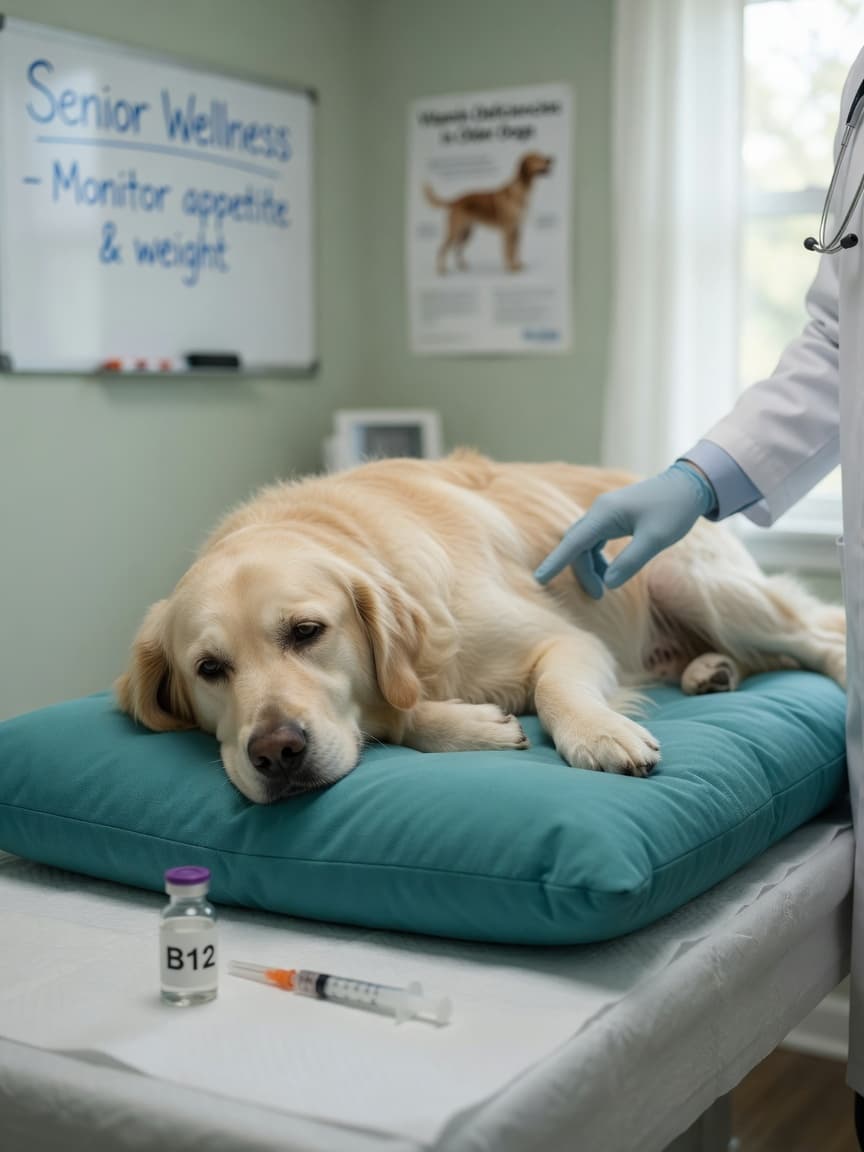
What Is Inflammatory Bowel Disease in Dogs?
Inflammatory bowel disease (IBD) is a chronic condition in which the immune system mounts a persistent, abnormal response against the lining of the gastrointestinal tract. The result is ongoing inflammation that damages the gut wall, impairs nutrient absorption, and causes a range of digestive symptoms including vomiting, diarrhoea, weight loss, and reduced appetite.
IBD is not a single disease but a group of related disorders classified by the type of inflammatory cell involved. The most common form in dogs is lymphoplasmacytic enteritis, though eosinophilic, neutrophilic, and granulomatous variants also occur. The small intestine and large intestine can both be affected, and in some dogs the stomach is involved as well.
IBD vs Dietary Intolerance: An Important Distinction
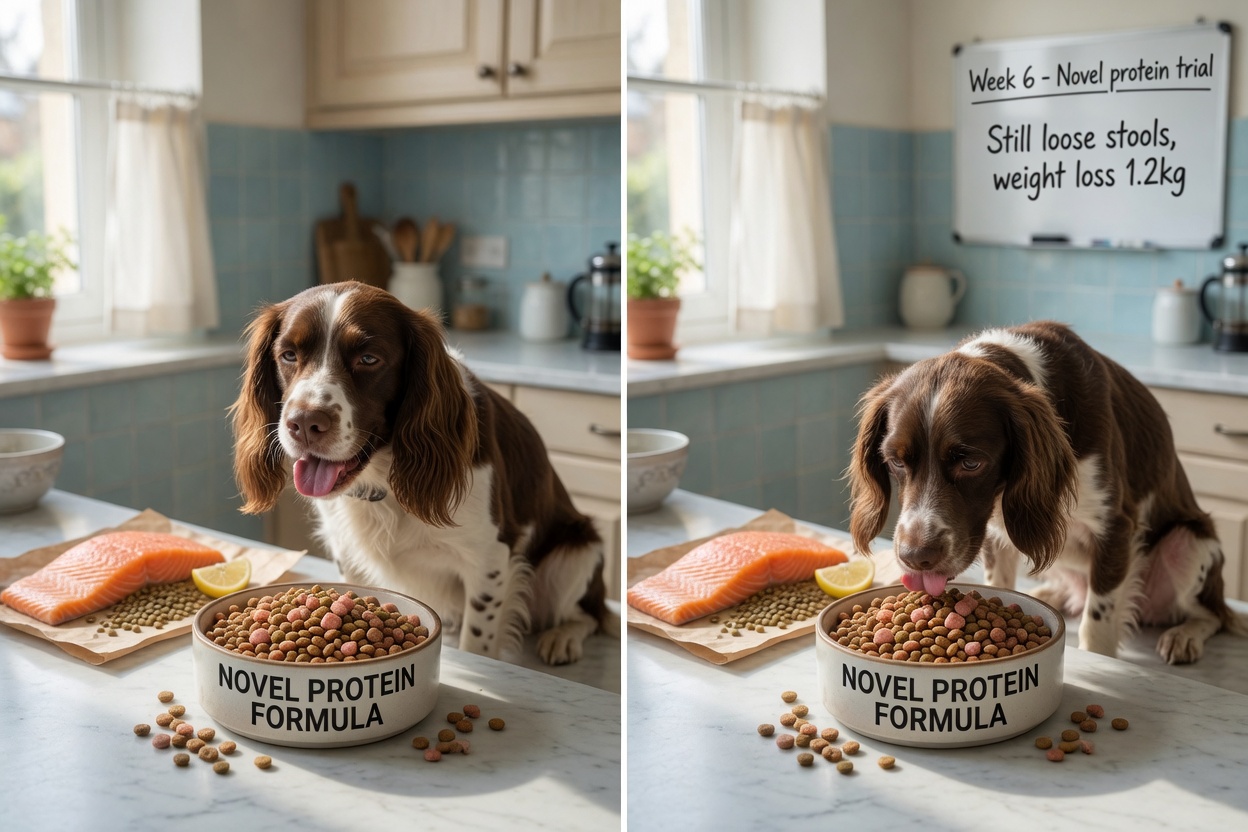
Many owners — and even some vets — use IBD and food intolerance interchangeably, but they are not the same condition. A dietary intolerance or food-responsive diarrhoea will resolve fully once the offending ingredient is removed from the diet. IBD, by contrast, is an immune-mediated process that persists even when diet is optimised.
In practice, this distinction can only be confirmed after a thorough diet trial has been conducted and failed to produce a complete response. Dogs with true IBD may improve somewhat on a hypoallergenic diet, but they will continue to show clinical signs and will eventually require additional treatment. Confusingly, some dogs have elements of both — immune-mediated inflammation that is partially diet-responsive — which makes management particularly challenging.
It is important not to assume a dog has IBD based on symptoms alone. Several other conditions, including intestinal lymphoma, exocrine pancreatic insufficiency, giardia infection, and other parasitic diseases, can produce identical signs. Systematic investigation is essential before committing to long-term IBD management.
Diagnosing IBD: Why Biopsy Is Essential
A definitive diagnosis of IBD can only be made through histopathology — the microscopic examination of intestinal tissue. Blood tests and imaging can provide useful supporting information, but they cannot confirm IBD on their own.
Initial investigations typically include a full blood count, biochemistry panel, urinalysis, faecal parasitology, and measurement of folate and cobalamin (B12) levels. Serum cobalamin is particularly important because low levels point to small intestinal disease, especially involving the terminal ileum.
Abdominal ultrasound is a valuable tool in the IBD work-up. Common ultrasound findings include thickening of the intestinal wall, loss of normal wall layering, enlarged lymph nodes, and increased echogenicity of the muscularis layer. While these findings are suggestive of IBD, they cannot differentiate it from intestinal lymphoma, which is why tissue sampling remains mandatory.
Biopsy samples are obtained either by endoscopy or full surgical laparotomy. Endoscopy allows visualisation of the mucosal surface and multiple biopsies from the stomach, duodenum, ileum, and colon without the recovery time associated with surgery. Surgical biopsy provides full-thickness samples, which some pathologists prefer for achieving a complete picture of the intestinal wall. The choice depends on the individual dog and the clinical suspicion of deep-layer involvement.
The Treatment Ladder for Canine IBD
IBD management typically follows a stepwise approach, starting with the least invasive intervention and escalating as needed.
Step One: Hypoallergenic or Novel Protein Diet
Every dog with suspected or confirmed IBD should undergo a strict diet trial lasting a minimum of eight weeks. The diet should contain a novel protein source the dog has never eaten before — common options include venison, duck, rabbit, or insect protein — or a hydrolysed protein diet in which proteins are broken down to a size too small to trigger an immune response. During this period, all other food, treats, and flavoured medications must be avoided.
Step Two: Cobalamin (B12) Supplementation
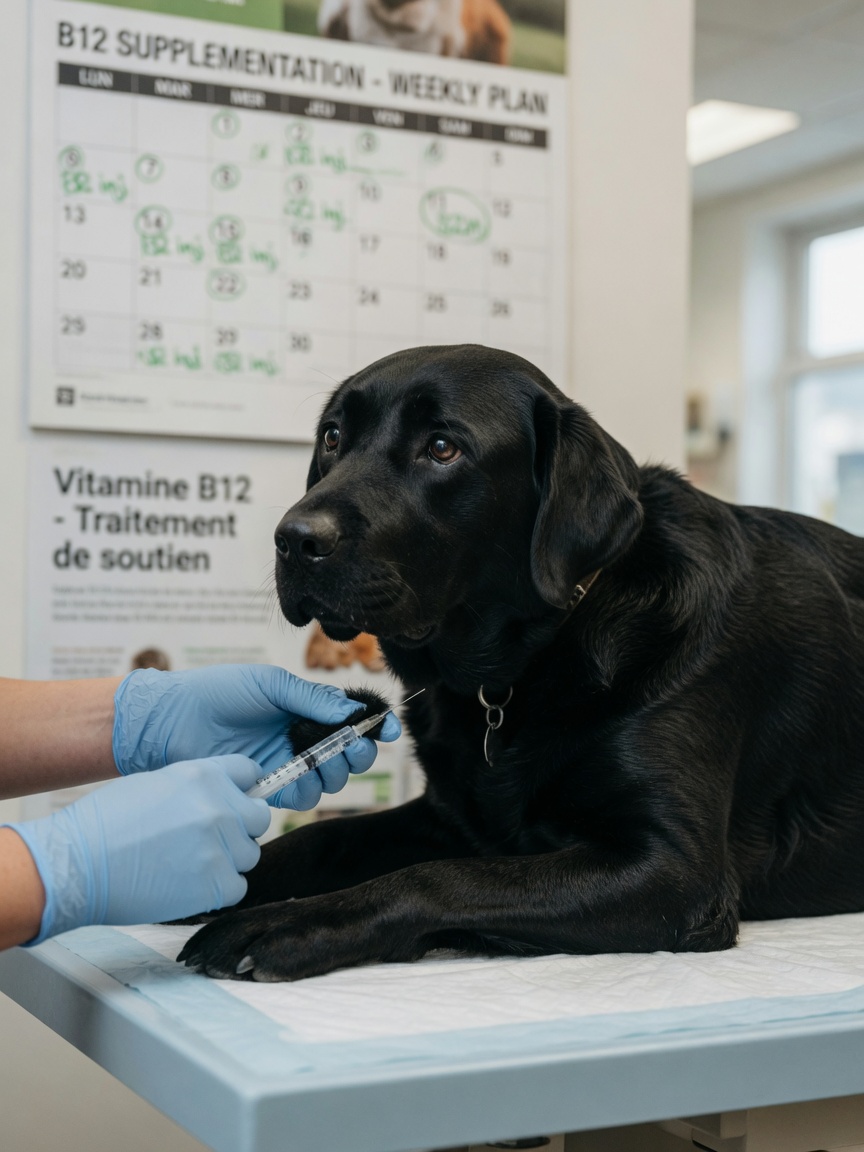
B12 deficiency is extremely common in dogs with IBD, particularly when the terminal ileum is involved. This section of the small intestine is responsible for absorbing cobalamin, and when it is inflamed, absorption fails. B12 deficiency contributes to weakness, inappetence, and worsening of intestinal health, so correcting it is an important part of treatment. Most dogs require weekly subcutaneous injections initially, transitioning to monthly maintenance once levels normalise. Oral supplementation may be effective in mild cases.
Step Three: Prednisolone
When diet and B12 supplementation alone are insufficient, immunosuppressive therapy is introduced. Prednisolone, a corticosteroid, is the first-line drug of choice. It suppresses the abnormal immune response driving intestinal inflammation and typically produces a good initial response. The dose is started high and tapered gradually over several months once remission is achieved. Long-term steroid use carries risks including polyuria, polydipsia, weight gain, muscle wasting, and increased susceptibility to infection, so the lowest effective dose is always the goal.
Step Four: Chlorambucil
Dogs that do not respond adequately to prednisolone, or in whom steroid side effects are severe, may be started on chlorambucil — an alkylating chemotherapy agent that acts as a second-line immunosuppressive. It is often used in combination with prednisolone rather than as a replacement, allowing the steroid dose to be reduced. Chlorambucil is generally well tolerated in dogs and is particularly favoured in cases of protein-losing enteropathy or where lymphoma has been ruled out but the distinction from low-grade lymphoma remains difficult.
Protein-Losing Enteropathy: The Severe End of IBD
In its most severe form, IBD can progress to protein-losing enteropathy (PLE), a condition in which the damaged gut wall leaks protein directly into the intestinal lumen. Dogs with PLE develop low blood albumin levels, which causes fluid to accumulate in the abdomen, chest, or limbs. This is a serious and potentially life-threatening complication that demands urgent and aggressive treatment.
PLE dogs require intensive management including high-dose immunosuppression, B12 injections, ultra-low-fat feeding (fat impairs lymphatic drainage in the gut), and sometimes plasma transfusions to temporarily restore albumin levels. Certain breeds including Yorkshire Terriers, Soft Coated Wheaten Terriers, and Rottweilers are predisposed to PLE-type IBD.
Living with a Dog with IBD
IBD is rarely cured but can be managed effectively in most dogs. Regular monitoring of body weight, albumin levels, B12, and clinical signs allows for early identification of flares. Diet consistency is critical — even small dietary indiscretions can trigger relapses. Working closely with a veterinary internist or a vet experienced in gastrointestinal disease gives dogs with IBD the best chance of a comfortable, good-quality life.