
Dog Poisoning: Signs, What to Do & When to Call the Vet
By Sarah Bennett, Certified Animal Nutritionist
Dogs explore the world with their noses and mouths — which makes poisoning one of the most common veterinary emergencies. From household medications left on a coffee table, to garden plants, to chocolate left within reach, the range of substances that can harm a dog is enormous. Acting quickly and correctly — and knowing what not to do — can dramatically change the outcome.
The Most Common Dog Poisons
According to the ASPCA Animal Poison Control Center, the top ten toxins reported in dogs each year include:
- Over-the-counter medications: Ibuprofen, paracetamol (acetaminophen), naproxen — a single ibuprofen tablet can cause kidney failure in a small dog
- Prescription medications: Antidepressants, ADHD medications, heart medications dropped on the floor
- Xylitol: A sweetener in sugar-free gum, some peanut butters, baked goods, and oral hygiene products — causes life-threatening hypoglycaemia within 30–60 minutes
- Chocolate: Dark and baking chocolate are most dangerous; theobromine toxicity causes vomiting, seizures, and cardiac arrhythmias
- Grapes and raisins: Can cause acute kidney failure; the toxic compound is still unknown and even small amounts can be fatal in some dogs
- Rat and mouse poison (rodenticides): Anticoagulant rodenticides cause internal bleeding that may not appear for 3–5 days
- Slug and snail bait (metaldehyde): Causes severe neurological signs and is extremely toxic — even small quantities are potentially fatal
- Garden and household chemicals: Bleach, detergents, antifreeze (ethylene glycol)
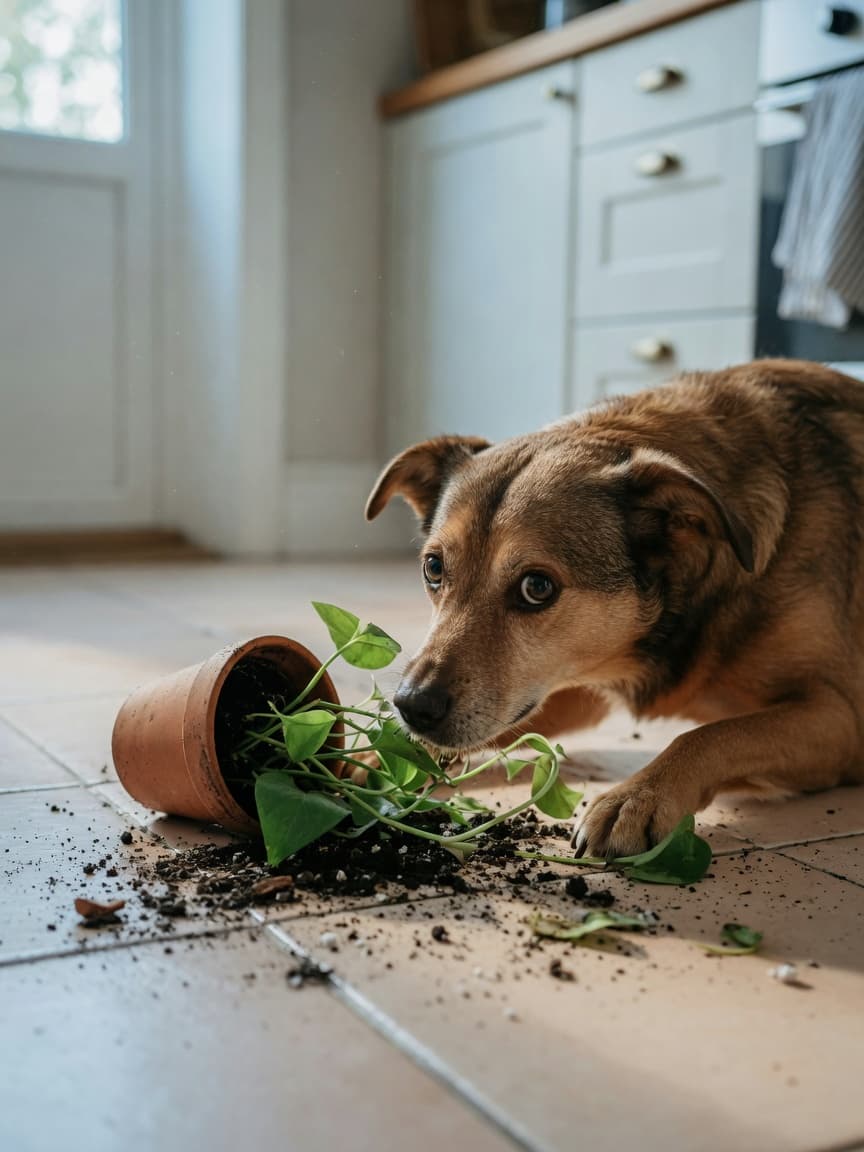
- Plants: Sago palm, autumn crocus, oleander, foxglove, yew, and lilies
- Onions, garlic, and leeks: Cause red blood cell destruction (haemolytic anaemia); dangerous in both raw and cooked forms
Recognising the Signs of Poisoning
Symptoms vary by toxin but typically appear within 30 minutes to 4 hours of ingestion. Common signs include:
- Sudden vomiting and/or diarrhoea
- Excessive drooling or foaming at the mouth
- Lethargy, weakness, or sudden collapse
- Seizures or muscle tremors
- Pale, yellow, or bluish gums
- Dilated pupils
- Rapid or irregular heartbeat
- Breathing difficulties
- Loss of coordination or staggering
Note: some toxins — particularly anticoagulant rodenticides — cause no immediate symptoms. A dog that eats rat poison may appear perfectly normal for 3–5 days before developing uncontrolled internal bleeding. Always report known or suspected ingestion to a vet even if your dog seems fine.
What to Do: Step-by-Step Emergency Response
Step 1 — Stay calm and remove your dog from the source (0–30 seconds). Remove your dog from the area and prevent them from consuming more of the substance. Do not handle concentrated toxic chemicals without protecting your own skin and eyes.
Step 2 — Gather information before calling (30–60 seconds). Try to identify exactly what your dog ate and how much. Check packaging for the product name, active ingredients, and concentration. If the toxin is a plant, take a photo. Note the approximate time of ingestion. This information is critical for the poison control specialist.
Step 3 — Call poison control or your vet immediately (1 minute). Phone the ASPCA Poison Control, Pet Poison Helpline, or your vet with the information you have gathered. They will tell you whether to induce vomiting, go to the vet immediately, or monitor at home. Do not guess — different toxins require completely different responses.
Step 4 — Do NOT induce vomiting unless specifically instructed. This is the most critical rule in dog poisoning first aid. Inducing vomiting is dangerous or counterproductive for:
- Caustic substances (bleach, drain cleaner) — vomiting brings the chemical back up the oesophagus, causing additional burns
- Sharp objects that may have been swallowed
- Petroleum products (petrol, kerosene, motor oil) — inhaling vomit can cause aspiration pneumonia
- If more than 2 hours have passed since ingestion — contents have usually already left the stomach
- If your dog is already showing neurological symptoms, is unconscious, or is having seizures
If your vet or poison control does advise inducing vomiting, the only safe method at home is 3% hydrogen peroxide solution (1 ml per kilogram of body weight, maximum 45 ml), given by mouth. Never use salt — it can cause sodium poisoning. Never use washing-up liquid.
Step 5 — Bring packaging or a sample to the vet. Take the product packaging, the plant (or a photo), or even a small sample of vomit in a sealed bag. This gives your vet crucial information for treatment planning.
At the Veterinary Clinic
Depending on the toxin and timing, your vet may administer activated charcoal (to bind toxin in the gut), IV fluids, specific antidotes (e.g., Vitamin K1 for anticoagulant rodenticide, ethanol for antifreeze), oxygen therapy, or anti-seizure medication. Research published in Veterinary and Human Toxicology (PubMed PMID 27302200) confirms that outcomes for most common canine poisoning cases are significantly better when treatment begins within 2 hours of ingestion.
Dog-Proofing Your Home Against Poisoning
The AVMA recommends these prevention strategies. As reported in The Guardian, xylitol poisoning cases in dogs have risen sharply in the UK and US as sugar-free products become more widespread:
- Store all medications in locked or child-proof cabinets — never leave pills on counters
- Check Peanut Butter?">Peanut Butter? Why Vets Say No">Peanut Butter? Why Vets Say No">peanut butter and any sugar-free product label for xylitol before giving to your dog
- Use pet-safe slug pellets (ferric phosphate instead of metaldehyde)
- Research every houseplant before purchasing — many common plants are toxic to dogs
- Store household chemicals in locked cupboards, not under the sink
Key Takeaways
- Call ASPCA Poison Control (888-426-4435) or your vet immediately — do not wait for symptoms.
- Never induce vomiting without professional-dog-groomer-guide" title="How to Find a Good Dog Groomer: Questions to Ask & Red Flags">professional-dog-groomer-guide" title="How to Find a Good Dog Groomer: Questions to Ask & Red Flags">professional guidance — it makes some poisonings worse.
- Gather the product name, ingredients, and estimated quantity ingested before calling.
- Some toxins (e.g., rat poison) cause no symptoms for 3–5 days — always report suspected ingestion even if your dog looks fine.
- Xylitol, grapes/raisins, ibuprofen, and metaldehyde slug bait are among the most dangerous and rapidly fatal household toxins.
- Bring packaging or a sample of vomit to the vet — it helps determine the right treatment.
- Outcomes are significantly better when treatment starts within 2 hours of ingestion.