

Your Dog's Gut Microbiome: What It Is & How to Support It
By Sarah Bennett, Certified Animal Nutritionist
The word "microbiome" has become something of a buzzword in both human and veterinary health circles over the past decade, sometimes to the point of obscuring what is genuinely one of the most important scientific discoveries in modern medicine. The gut microbiome — the vast, dynamic community of microorganisms inhabiting the gastrointestinal tract — is not a passive passenger in your dog's body. It is an active participant in their physiology, influencing everything from how efficiently they extract energy from food to how robustly their immune system responds to pathogens, and even how they experience stress and anxiety.
For dog owners, this matters in a very practical way. The composition of your dog's gut microbiome is not fixed — it shifts in response to diet, medication, environment, age, and stress. That means the daily choices you make about what your dog eats, whether they are exposed to antibiotics, and how much they interact with diverse environments all shape the microbial community that is, in many respects, as important to their health as any single organ.
What Lives in Your Dog's Gut?
The canine gut microbiome is dominated by bacteria from the phyla Firmicutes, Bacteroidetes, Fusobacteria, Proteobacteria, and Actinobacteria. These broad groups contain thousands of individual species, and the precise balance between them — and the metabolic by-products they produce — determines much of the microbiome's effect on host health. A healthy canine microbiome is characterised by high diversity: many different species present in balanced proportions, rather than a few dominant species crowding out others.
One of the most important outputs of the gut microbiome is short-chain fatty acids (SCFAs) — particularly butyrate, propionate, and acetate — produced when beneficial bacteria ferment dietary fibre. Butyrate in particular is the primary fuel source for colonocytes (cells lining the colon) and plays a critical role in maintaining intestinal barrier integrity, regulating local immune responses, and suppressing inflammation. A microbiome that produces adequate butyrate is one of the strongest markers of gut health in dogs.
Research published in the Journal of Veterinary Internal Medicine (PMID 33803407) by Pilla and Suchodolski — two of the leading researchers in veterinary microbiome science — provided a comprehensive review of what a healthy versus dysbiotic canine gut microbiome looks like, and how specific disease states correlate with microbial imbalances. Their work established that dogs with chronic enteropathy, obesity, and even anxiety disorders show characteristic shifts in microbiome composition compared to healthy controls.
Signs Your Dog's Gut Microbiome May Be Disrupted
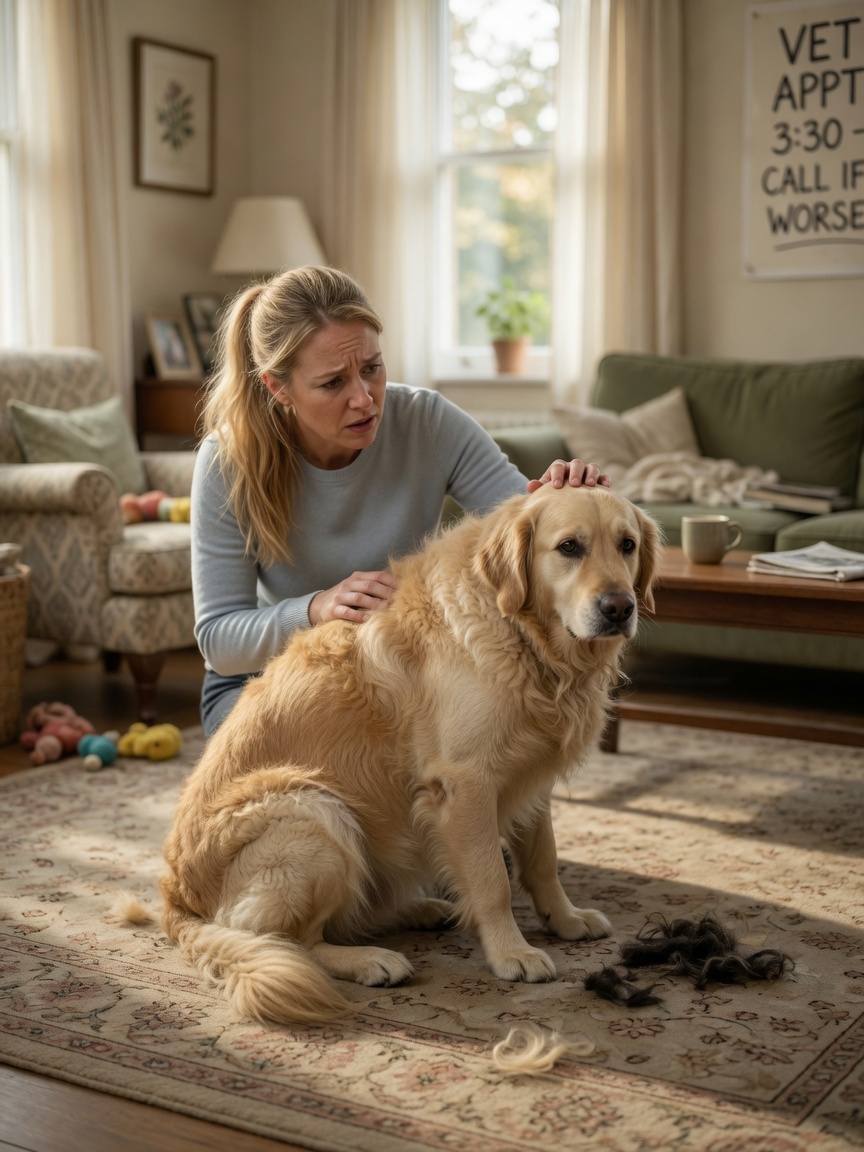
Dysbiosis — a disruption of the normal, healthy microbiome — does not always present as obvious gastrointestinal illness. Chronic low-grade dysbiosis can be subtle, manifesting across multiple body systems. Common signs include:
- Loose, inconsistent, or foul-smelling stools
- Frequent flatulence beyond what is typical for the individual dog
- Intermittent vomiting or regurgitation without a clear dietary cause
- Dull, flaky, or persistently itchy coat (the gut-skin axis is well established)
- Unexplained weight changes despite consistent feeding
- Increased anxiety, nervousness, or unusual lethargy
- Recurrent ear infections or skin infections
None of these signs alone diagnoses dysbiosis — they are non-specific and can reflect many different health issues. However, if several are present together, and particularly if they developed or worsened following a course of antibiotics or a major dietary change, microbiome disruption is a reasonable working hypothesis to explore with your veterinarian.
As the Merck Veterinary Manual's overview of gastrointestinal microbiota notes, clinical assessment of microbiome health in veterinary practice is still developing — most practices rely on clinical signs and response to dietary modification rather than formal microbiome sequencing, though the latter is becoming more accessible.
What Disrupts the Gut Microbiome?
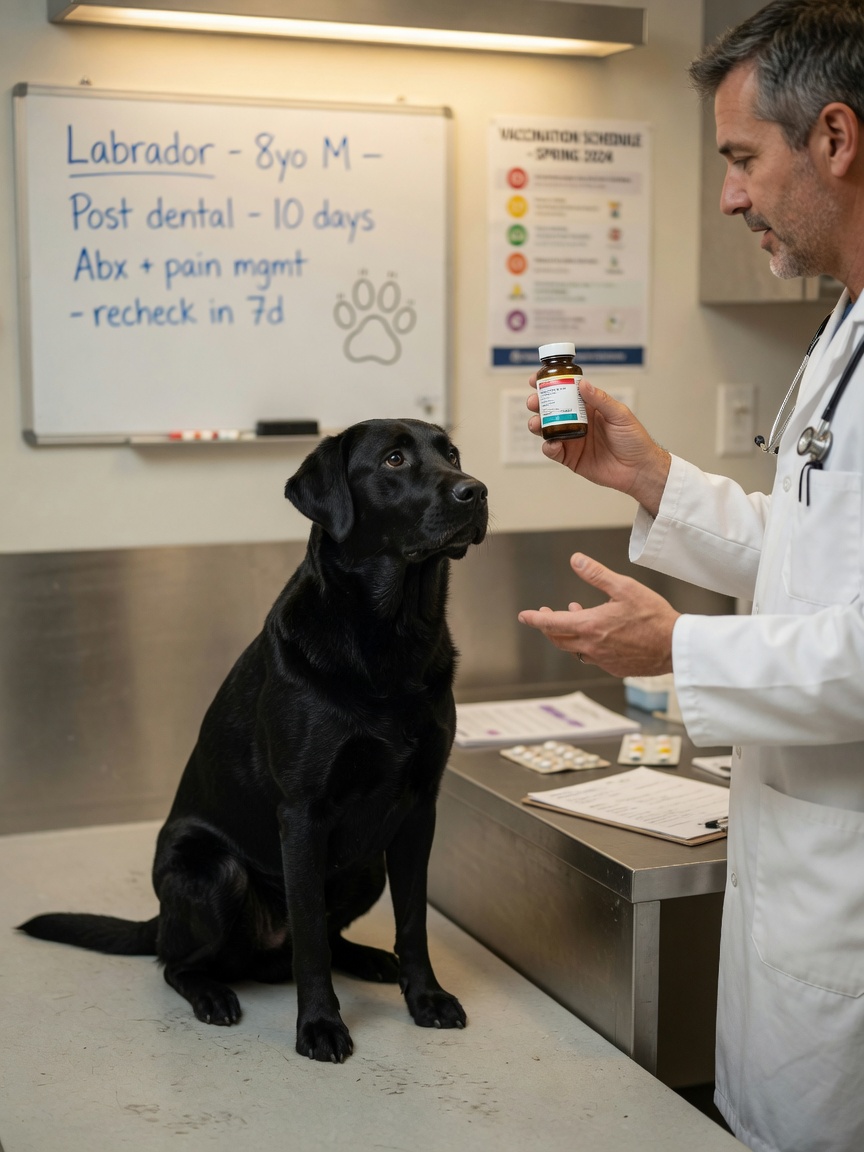
The factors most reliably shown to disrupt the canine gut microbiome include:
Antibiotics are the most potent disruptor. Broad-spectrum antibiotics do not selectively target pathogens — they affect beneficial bacteria throughout the gut with equal effect. Studies have shown that a single course of antibiotics can significantly alter canine microbiome composition for weeks to months, with some effects persisting indefinitely. This does not mean antibiotics should be avoided when genuinely needed — it means that post-antibiotic gut support is important.
Abrupt dietary changes can destabilise the microbiome by suddenly altering the substrate available to gut bacteria. The microbiome adapts to diet over time, and rapid changes outpace this adaptation. This is why the standard recommendation to transition over 7–10 days when changing pet food is not just about avoiding gastrointestinal upset — it gives the microbiome time to adjust.
Chronic stress affects gut microbiome composition through the gut-brain axis, a bidirectional communication system between the central nervous system and the enteric nervous system of the gut. As The Guardian's reporting on canine microbiome research highlighted, studies have found that kennelled dogs show measurable microbiome changes compared to home-dwelling dogs, with reduced diversity linked to the chronic stress of kennel environments.
Low-fibre ultra-processed diets deprive beneficial fermentative bacteria of their primary substrate, leading to reduced SCFA production and a gradual shift toward less desirable bacterial communities. Research from Science Daily on dog microbiome and diet has shown that dietary fibre type and quantity are among the most consistent predictors of microbiome diversity in dogs.
Diet Strategies to Support Gut Health
Diet is the most powerful and practical tool available to dog owners for supporting microbiome health. The AKC's guidance on dog gut health and probiotics summarises the key evidence-based approaches well. Here is what the research supports:
Increase dietary fibre diversity. Different types of fibre feed different bacterial communities. Soluble fermentable fibres (found in chicory root, psyllium husk, and cooked vegetables like sweet potato and pumpkin) are particularly well studied for promoting beneficial bacteria and SCFA production in dogs. Insoluble fibres (found in whole grains and many vegetables) support motility and stool consistency. Including a variety of fibre sources is more beneficial than any single type.
Consider a quality probiotic. Probiotic supplementation in dogs has the strongest evidence base in the context of antibiotic recovery and acute diarrhoea. Species with the best evidence in canine studies include Lactobacillus acidophilus, Enterococcus faecium (SF68 strain), and Bifidobacterium animalis. A 2018 study (PMID 29312937) examined the effects of probiotic supplementation on faecal microbiome composition in dogs and found significant increases in beneficial bacterial populations and improved stool quality scores. Look for species-specific canine formulations with guaranteed colony-forming unit (CFU) counts.
Introduce prebiotic foods. Prebiotics are non-digestible food components that selectively feed beneficial gut bacteria. Fructooligosaccharides (FOS) from chicory root, inulin from Jerusalem artichoke, and mannanoligosaccharides (MOS) from yeast cell walls all have evidence for beneficial effects on canine gut microbiome composition. Many quality dog foods already include these, but fresh sources can be added as supplements.
Looking for quality pet nutrition? Zooplus offers Europe's widest range of science-backed pet food and supplements, with free delivery on orders over €29. Shop now →
The Gut-Brain Connection in Dogs
One of the most fascinating and clinically relevant developments in canine microbiome research is the emerging understanding of the gut-brain axis. The gut contains approximately 100 million neurons — more than the spinal cord — and communicates bidirectionally with the brain via the vagus nerve, hormonal signals, and immune mediators. Gut bacteria influence this system by producing neurotransmitter precursors, including serotonin (approximately 90% of the body's serotonin is produced in the gut), GABA, and dopamine precursors.
This means that microbiome dysbiosis is not just a gut problem — it can manifest as behavioural changes, anxiety, and altered stress responses. For dogs with anxiety disorders, noise phobias, or Separation Anxiety: Causes, Signs & Treatment That Works">Separation Anxiety: Causes, Signs & Treatment That Works">Separation Anxiety: A 4-Week Desensitization Plan">Separation Anxiety: A 4-Week Desensitization Plan">separation anxiety, supporting gut health as part of a broader management plan is increasingly supported by both mechanistic research and clinical observation. It is not a substitute for behavioural therapy or veterinary treatment, but it may meaningfully contribute to overall wellbeing.
Support your pet's wellbeing naturally with HolistaPet — veterinarian-formulated CBD and wellness products for dogs and cats. Explore HolistaPet →
Key Takeaways
- The canine gut microbiome is a dynamic community of trillions of microorganisms that influences immune function, digestion, inflammation, and even behaviour.
- A healthy microbiome is characterised by high bacterial diversity and robust production of short-chain fatty acids, particularly butyrate.
- Key disruptors include antibiotics, abrupt diet changes, chronic stress, and low-fibre diets.
- Diet is the most powerful lever for supporting microbiome health: prioritise fibre diversity, consider species-specific probiotics, and include prebiotic-rich foods.
- The gut-brain axis means microbiome health is relevant not just to digestion but to anxiety, stress response, and overall behaviour.
- Post-antibiotic microbiome support with probiotics and dietary fibre is evidence-based and strongly recommended.
References
- Pilla R, Suchodolski JS. "The role of the canine gut microbiome and metabolome in health and gastrointestinal disease." Frontiers in Veterinary Science. 2020. PMID: 33803407.
- Guard BC, et al. "Characterization of microbial dysbiosis and metabolomic changes in dogs with acute diarrhea." PLOS ONE. 2015. PMID: 29312937.