
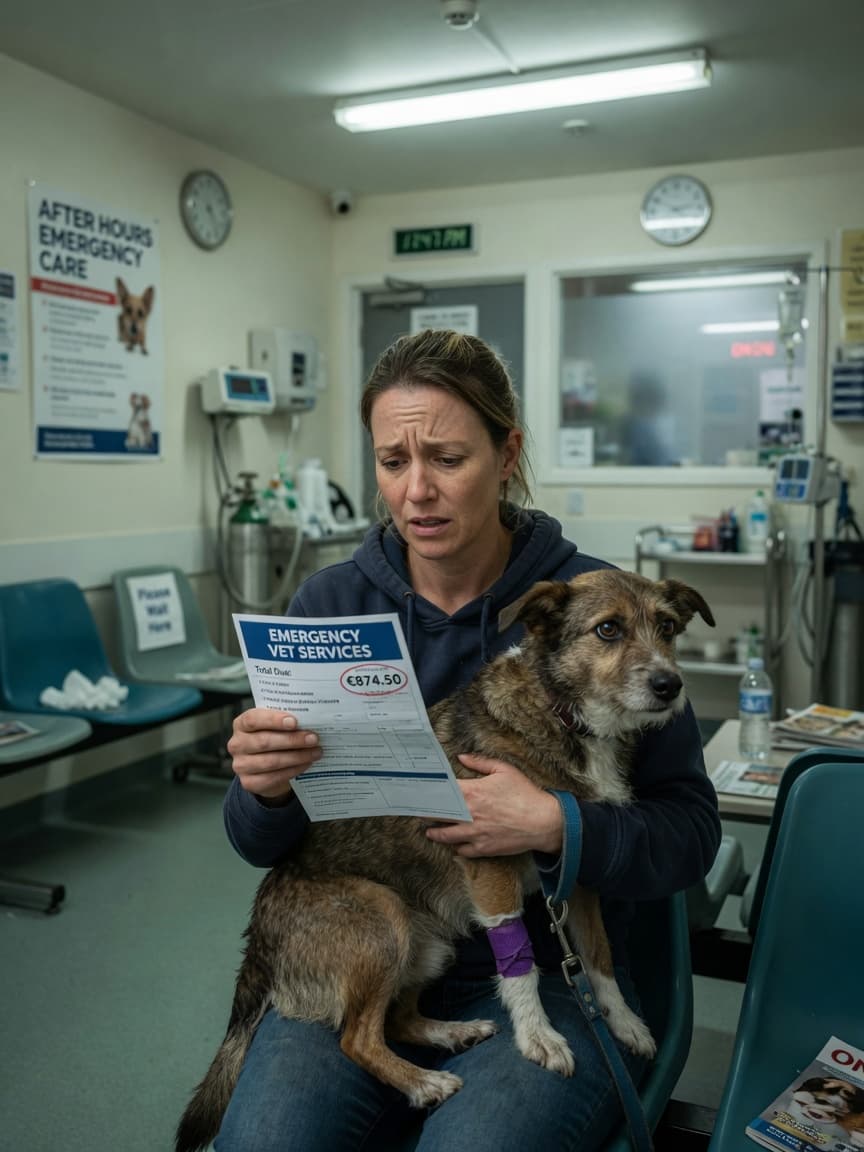
Emergency Vet Cost: What to Expect & How to Prepare
By Sarah Bennett, Certified Animal Nutritionist | Updated June 2026
- Emergency exam fee alone: $100–$200
- Typical total bill: $500–$3,000+
- After-hours surcharges: 20–50% premium
- Serious cases (surgery, ICU): $3,000–$10,000+
When your pet is in crisis — hit by a car, swallowing something Dangerous">dangerous-dog-toys" title="10 Dog Toys That Are Actually Dangerous (And What to Use Instead)">dangerous, struggling to breathe — you don't have time to comparison-shop. You go to the nearest emergency clinic and deal with costs afterward. That's exactly how it should be. But the financial shock of an emergency vet bill can be devastating if you haven't prepared. This guide helps you understand what to expect and how to get ready before the emergency happens.
What Makes Emergency Vet Care So Expensive
Emergency veterinary clinics operate 24 hours a day, 7 days a week, 365 days a year — including holidays. They maintain staffing levels that can handle multiple critical patients simultaneously, carry life-saving equipment like ventilators and ICU monitoring systems, and employ specialists or experienced ER vets who command higher salaries. All of that infrastructure costs money, and those costs are reflected in higher prices compared to your regular vet.
This isn't price gouging — it's the economics of maintaining a functioning emergency medical facility. Most emergency clinics operate on thin margins despite high prices.
Emergency Exam and Triage Fees
The moment you walk into an emergency clinic, a triage fee is often charged before any treatment begins. This fee — typically $100–$200 — covers the initial assessment of your pet's condition and prioritization of care. It is almost never waivable, regardless of what you decide about further treatment.
Some clinics charge a flat emergency exam fee; others use a tiered triage system (basic, urgent, critical) with escalating fees. Ask which system the clinic uses when you arrive so you're not surprised on the bill.
After-Hours Surcharges
If you visit an emergency clinic during overnight hours (typically 10pm–8am), weekends, or holidays, expect an after-hours surcharge on top of standard fees. This premium typically ranges from 20–50% over regular prices and is applied across most line items — exam, procedures, medications. A $500 estimate during business hours might be $650–$750 at 2am on a Sunday.
Common Emergency Visit Costs by Situation
The range for a total emergency visit bill is extremely wide because conditions vary so dramatically. Here are real-world estimates for common emergency presentations:
| Emergency Situation | Typical Total Cost |
|---|---|
| Laceration / wound repair | $300–$1,500 |
| Toxin ingestion (inducing vomiting + monitoring) | $300–$800 |
| Urinary blockage (cat) | $750–$2,500 |
| Broken leg (x-rays + splinting; no surgery) | $500–$1,500 |
| Allergic reaction / anaphylaxis | $400–$1,200 |
| Trauma (hit by car) | $1,500–$5,000+ |
| GDV / bloat surgery | $2,000–$7,500 |
| Overnight ICU hospitalization (per night) | $600–$1,500 |
What Happens When You Can't Pay Upfront
Emergency clinics typically require a deposit or estimate approval before proceeding with non-life-saving treatment. For true life-threatening situations, most will stabilize your pet first and discuss payment after. Be honest with the vet team about your financial situation — most have experience navigating these conversations and can help identify options.
- CareCredit: Apply on your phone in the waiting room; approval in minutes; 0% promotional periods available
- Scratchpay: Vet-specific financing with fast approval and no surprise fees
- Pet insurance: If active before the emergency, submit claims for reimbursement after paying; some insurers work directly with clinics
- RedRover Relief: Emergency grants of $100–$500 for pet owners in financial hardship; apply online
- Brown Dog Foundation / The Pet Fund: Additional non-profit resources for vet financial assistance
How to Prepare Before an Emergency
The time to prepare is now, not during a crisis. Four practical steps:
- Find your nearest 24-hour emergency vet clinic and save the address and phone number in your phone. Look one up tonight.
- Get pet insurance while your pet is young and healthy — this is when premiums are lowest and pre-existing exclusions aren't yet an issue.
- Open a CareCredit account in advance so it's ready to use if needed.
- Build a pet emergency fund — even $50–$100 per month into a dedicated savings account gives you a cushion over time.
- Emergency exam/triage fee: $100–$200 before any treatment begins
- Total emergency bills typically run $500–$3,000; serious cases $3,000–$10,000+
- After-hours surcharges add 20–50% on top of standard fees
- Common situations like toxin ingestion cost $300–$800; trauma can exceed $5,000
- CareCredit and Scratchpay can be applied for on the spot at the clinic
- The best preparation: pet insurance + emergency savings fund + knowing your nearest ER vet
References
- Kogan LR, Schoenfeld-Tacher R, Hellyer PW. "Veterinarians and non-emergency clients: coping with euthanasia decisions in a difficult economy." Veterinary Record. 2012;170(23):600. PMID: 22626181
- Hall JL, et al. "Assessment of owner-reported clinical signs-cat-loves-you" title="12 Signs Your Cat Actually Loves You (Science-Backed)">signs, quality of life, and willingness to pay for treatment in dogs with urethral obstruction." Journal of Veterinary Emergency and Critical Care. 2015;25(4):498-505. PMID: 26138413