
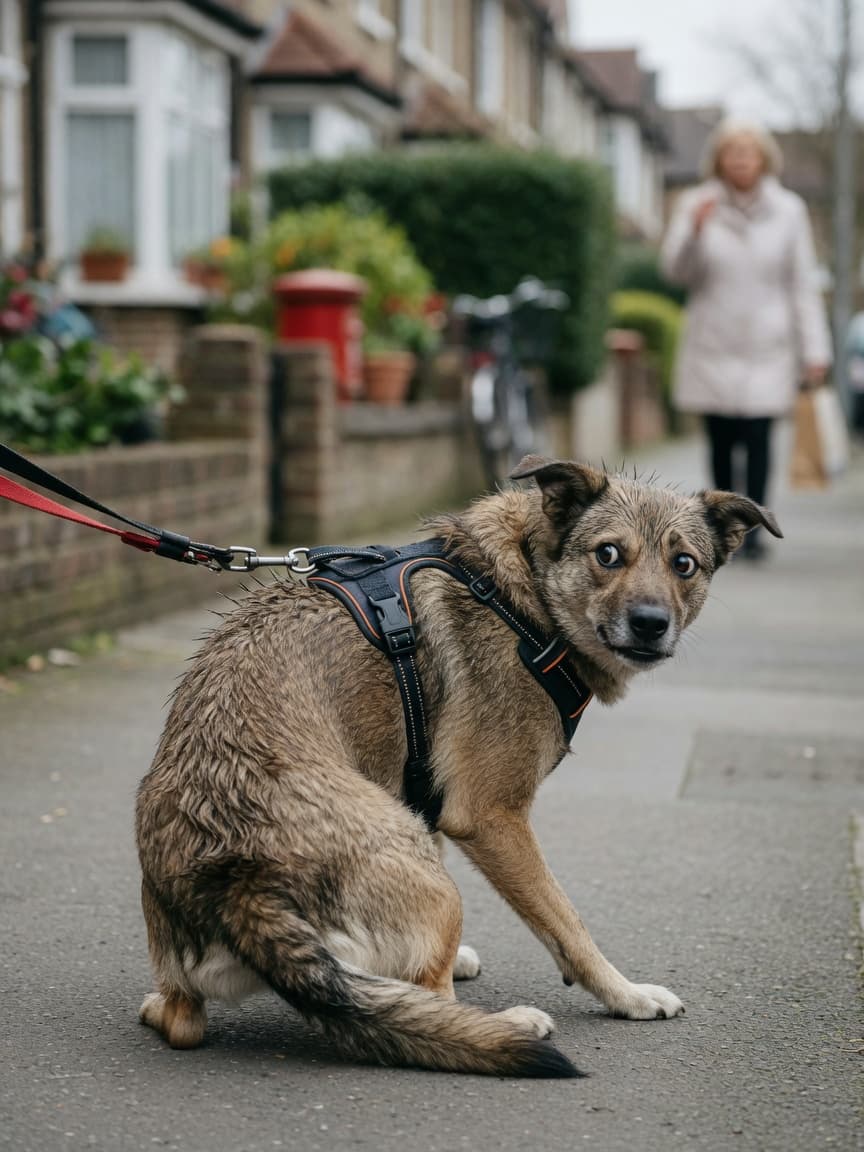
The Dog That Bites Because It Is Frightened
Aggression is the behaviour problem most likely to result in a dog being relinquished or euthanised — yet in the majority of cases, the dog that bites is not acting from dominance or malice. It is afraid. Fear-based aggression is among the most common forms of canine aggression seen by veterinary behaviourists, and it is also among the most misunderstood, with owners and bystanders frequently misreading the signals until it is too late to prevent an incident.
Understanding the Fear-Aggression Link
Aggression is a normal part of the canine behavioural repertoire. In the wild, it serves to resolve conflict without physical harm — through threat displays, posturing, and escalation signals that most opponents read and respond to by backing away. The problem arises when a dog has learned, through experience, that subtle signals are ignored.
The Bite Threshold Ladder
Aggression escalates through a predictable sequence: freezing, stiffening, a hard stare, growling, snarling, snapping, and finally biting. Dogs that have been punished for growling — a well-intentioned but deeply counterproductive response — often skip the early warning signals and go directly to snapping or biting, having learned that communication does not work. This is why a dog that "bites with no warning" is usually a dog whose warnings were suppressed or ignored.
Why Fear Produces Aggression
When a fearful dog cannot escape a perceived threat — because it is on a lead, cornered, or restrained — the biological fight-or-flight system defaults to fight. The aggression is defensive in origin: the dog is attempting to increase distance between itself and what frightens it. This is why fear-aggressive dogs typically cease aggression the moment the threat retreats.
Recognising Fear-Based Aggression
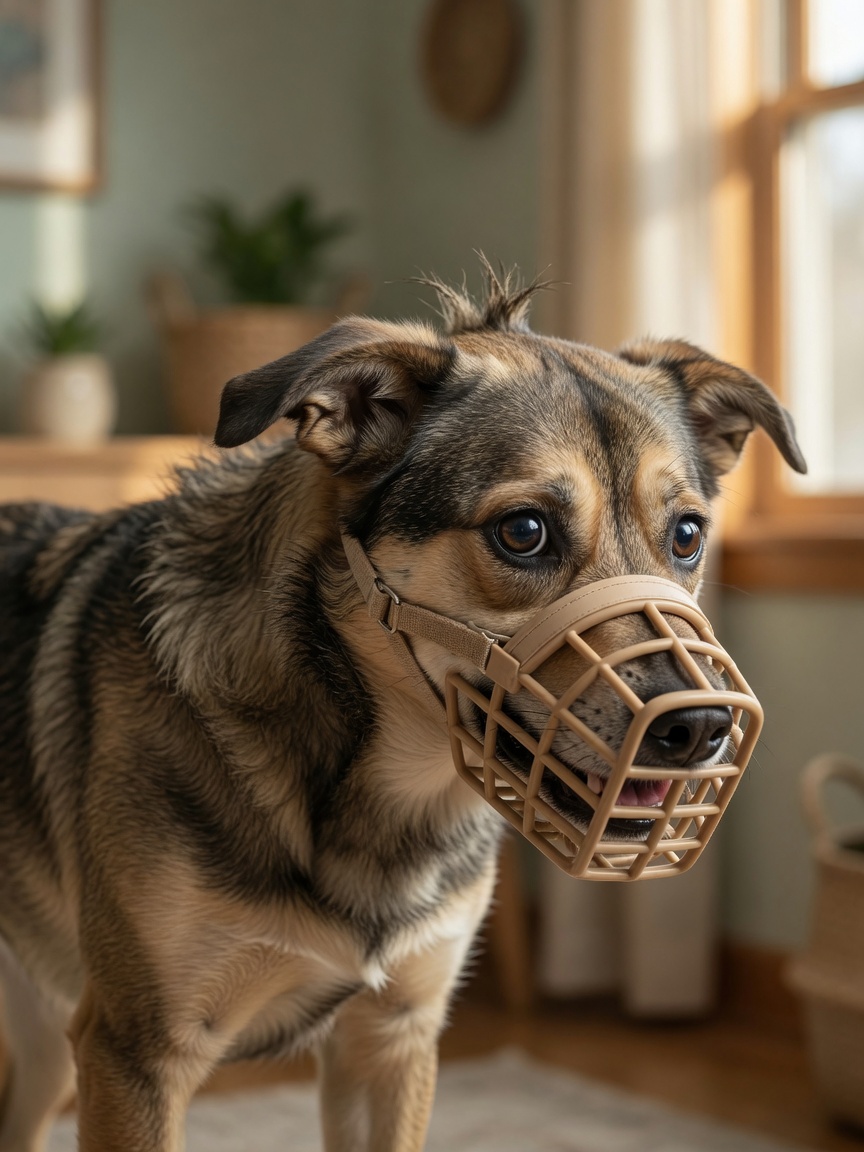
Fear aggression presents differently from predatory or pain-related aggression, and accurate identification matters because the treatment approach differs accordingly.
Body Language Indicators
- Lowered body posture, tucked tail, flattened ears alongside the aggressive display
- Aggression directed at the perceived threat, stopping when the threat retreats
- Yawning, lip licking, or looking away immediately before the aggressive display — displacement behaviours indicating conflict
- Piloerection (raised hackles) running from shoulders to tail
- Pupils dilated, whites of eyes visible (whale eye)
Common Triggers
- Unfamiliar people, particularly those making direct eye contact or approaching frontally
- Other dogs, especially off-lead dogs approaching on-lead dogs
- Children — particularly those moving unpredictably or reaching toward the dog's face
- Veterinary handling or grooming procedures
- Being approached while in a confined space or whilst eating or resting
Immediate Safety Management
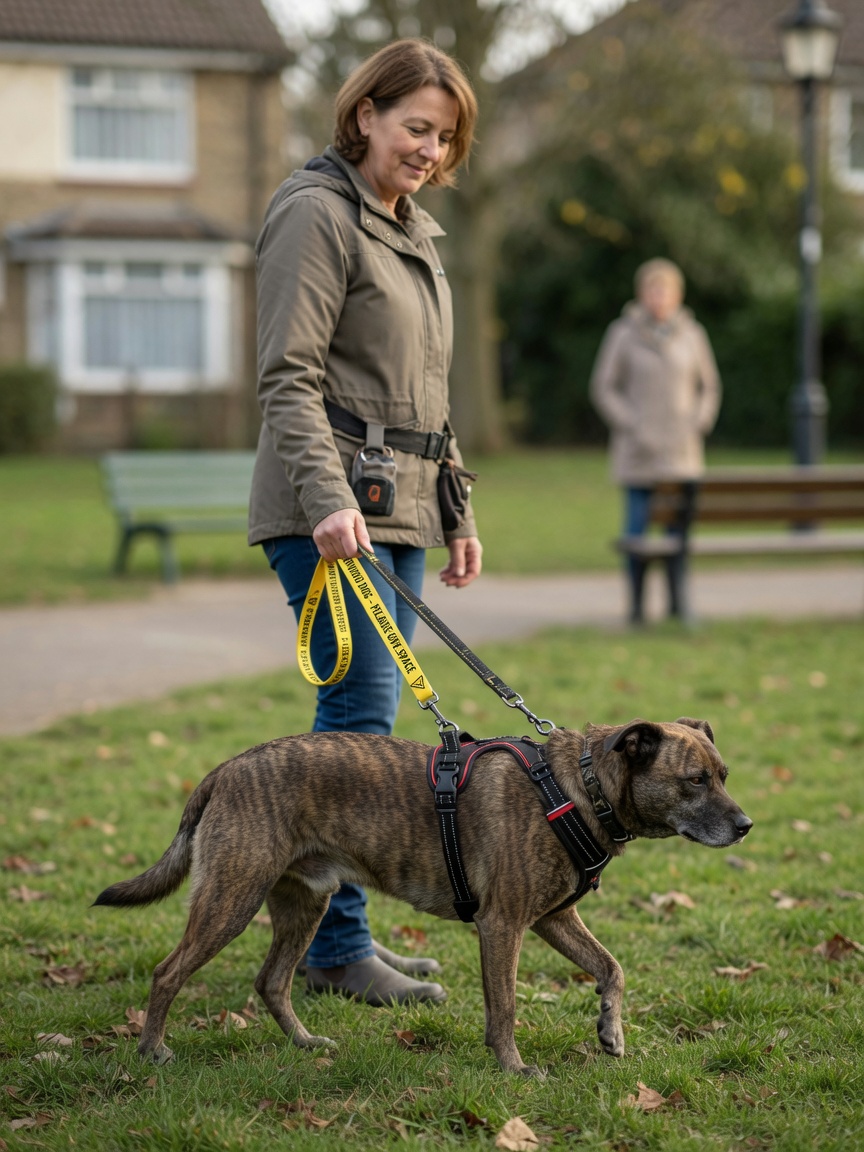
Safety comes first. Before any behaviour modification programme begins, measures must be in place to prevent biting incidents, which cause harm to others and create significant legal liability for owners.
- Use a well-fitted, escape-proof harness with a double-ended lead for walks, giving you greater control without pulling on the neck
- Consider a basket muzzle — introduced gradually and positively, a muzzle is a safety tool, not a punishment, and a muzzle-trained dog is a dog that can still participate in public life
- Identify and avoid known triggers where possible during the early stages of treatment
- Never allow strangers to approach and pet the dog without the owner's express control over the interaction
- Place a clear "nervous dog, please do not pet" lead sleeve or tag to manage well-meaning strangers
Behaviour Modification Approaches
The primary treatment for fear-based aggression is desensitisation and counter-conditioning — gradually reducing the dog's fearful response to triggers while building a positive emotional association with their presence.
Working Below Threshold
All effective desensitisation requires working at a distance or intensity at which the dog notices the trigger but does not react. This sub-threshold exposure, paired consistently with highly valued food rewards, changes the emotional response over time. The trigger begins to predict something good rather than something threatening. Progress requires identifying the precise threshold distance for each trigger and advancing in very small increments.
What to Avoid
- Punishment of any kind — including lead corrections, verbal reprimands, or physical restraint during an aggressive display — increases fear and worsens the problem
- Flooding (forcing the dog to remain in the presence of the trigger) is not only inhumane but typically intensifies fear rather than resolving it
- Reassuring a dog during a fearful episode does not reinforce fear — a dog cannot be conditioned into an emotional state by reassurance — but a calm, matter-of-fact response from the owner is more effective than emotional reactions in either direction
Professional Support
Fear-based aggression involving biting, or dogs with multiple triggers, should be assessed by a veterinary behaviourist or certified clinical animal behaviourist. A veterinary consultation is also essential: pain is a common co-factor in aggression, and anxiolytic medication can significantly improve outcomes when baseline fear levels are high.
Living With and Supporting a Fear-Aggressive Dog
Owners of fear-aggressive dogs carry a significant emotional load. Progress can feel slow, and setbacks — an unavoidable encounter, a bite incident — can be demoralising. Sustainable management means building a life structured around the dog's known limitations while systematically working to expand them.
- Identify environments where the dog is calm and comfortable and use these as recovery spaces
- Build a small, trusted circle of people the dog has learnt to feel safe with — forced social exposure is not helpful
- Keep a behaviour diary to track triggers, responses, and progress objectively
Key Points for Safe Management
- See a vet to rule out pain and discuss medication if anxiety is severe
- Never punish growling — it removes a vital warning signal
- Muzzle-train your dog as a safety measure while modification is under way
- Work with a certified behaviourist for any dog that has bitten or shown escalating aggression
- Desensitisation and counter-conditioning, done correctly and patiently, can produce substantial improvement
- Manage the environment to prevent incidents while treatment progresses