
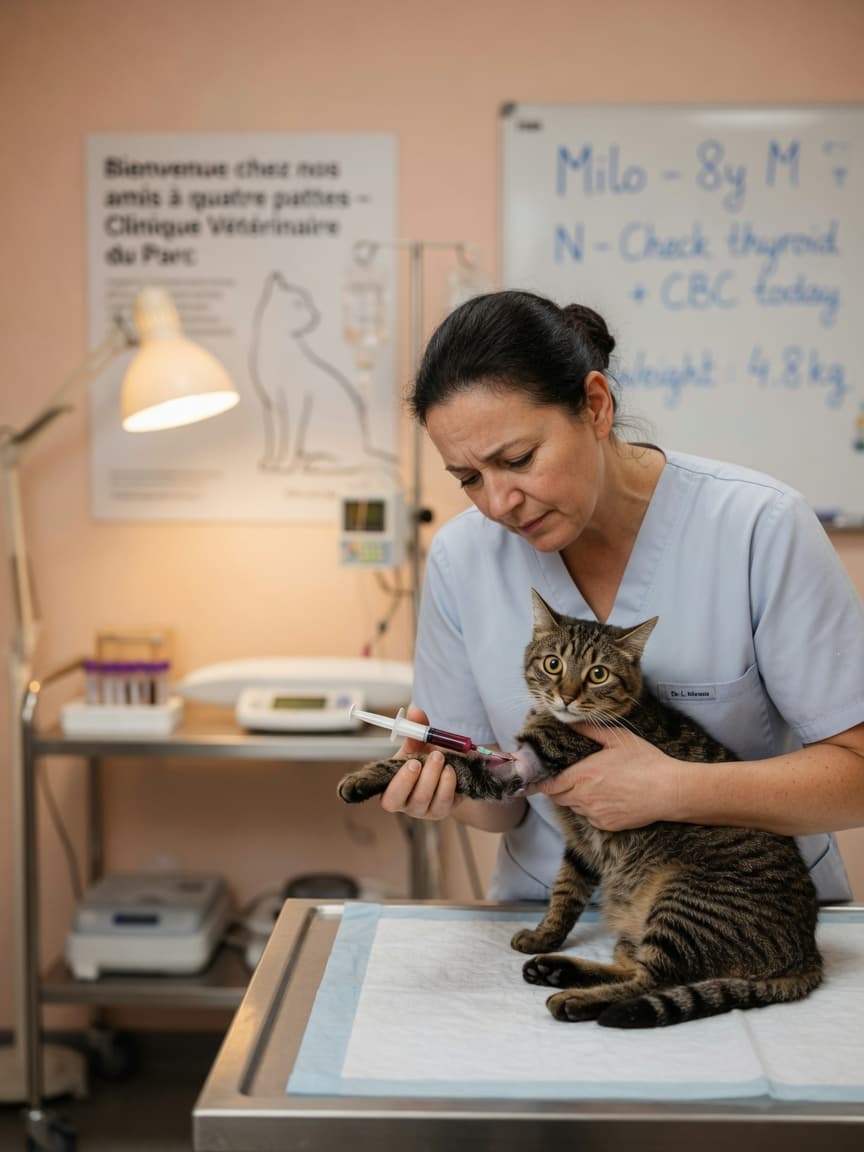
What Is Feline Leukaemia Virus?
Feline Leukaemia Virus, commonly known as FeLV, is a retrovirus that affects cats and is one of the most significant infectious diseases in feline medicine. Unlike some cat viruses that are relatively mild, FeLV can have serious long-term consequences for infected cats, suppressing the immune system and increasing the risk of certain cancers. Understanding how the virus spreads, how to prevent it, and what to do if your cat tests positive is essential knowledge for any cat owner.
FeLV belongs to the same family of retroviruses as Feline Immunodeficiency Virus (FIV), but the two viruses behave differently and have distinct routes of transmission. FeLV is generally considered more immediately dangerous than FIV, particularly for cats that develop a persistent infection.
How Does FeLV Spread?
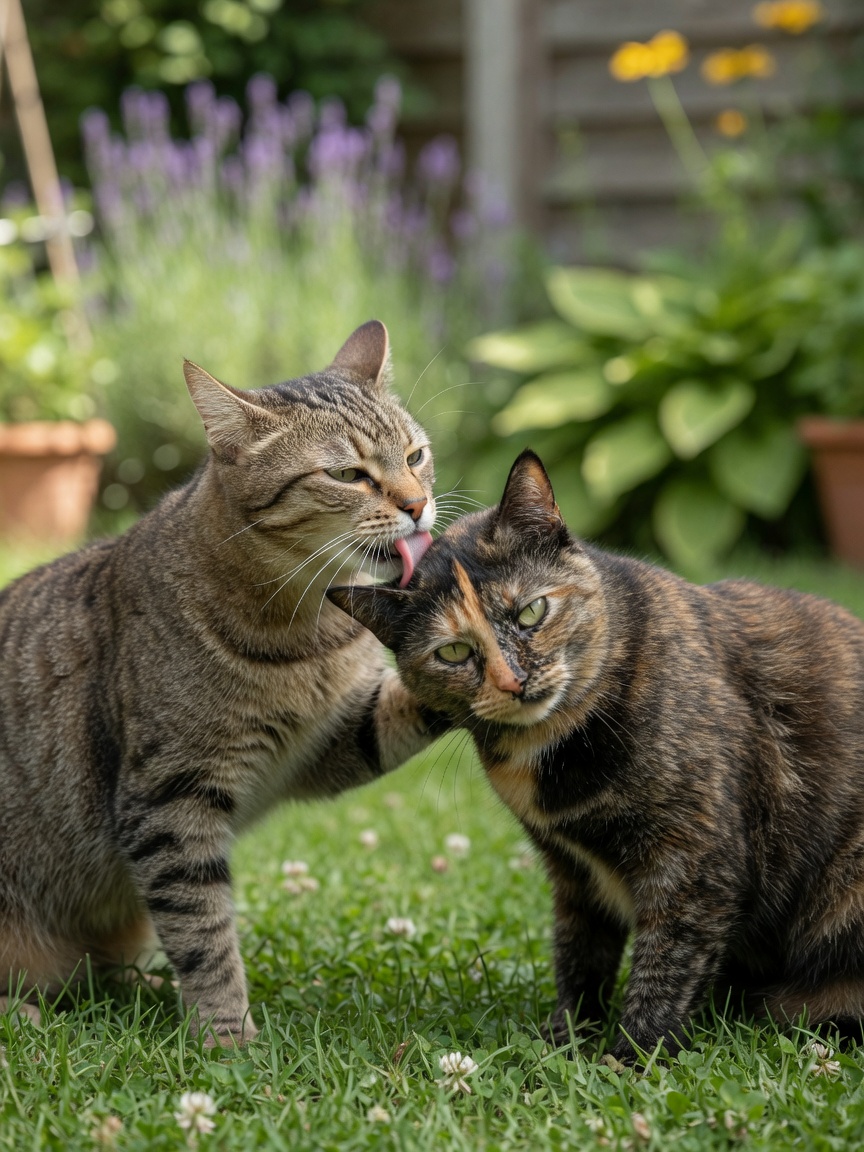
FeLV is spread through close and prolonged contact between cats. The virus is shed in high concentrations in saliva, which means activities like mutual grooming, sharing food and water bowls, and bite wounds are the main routes of transmission. The virus can also be passed from a mother cat to her kittens during pregnancy or through nursing.
Unlike some other cat viruses, FeLV does not survive long in the environment and requires relatively close, sustained contact to spread. Casual sniffing between cats is unlikely to transmit the virus. Outdoor cats — particularly those who roam, fight, or socialise freely with other cats — are at the highest risk of exposure. Indoor-only cats that have no contact with other cats are at very low risk.
Why Vaccination Matters
There is an effective vaccine against FeLV, and it is considered a core vaccine for outdoor cats under the ABCD (Advisory Board on Cat Diseases) vaccination guidelines, which represent the leading European expert consensus on feline vaccination. For cats that go outdoors and may encounter other cats, vaccination offers significant protection against this serious virus.
The vaccine is not recommended as a core vaccine for indoor-only cats with no outdoor access or contact with other cats, though vets may advise it based on individual circumstances. If you have a cat that goes outside — even occasionally — talk to your vet about ensuring FeLV vaccination is up to date. Kittens should be tested before vaccination, and an initial course is followed by regular boosters.
Regressive Versus Progressive Infection
Not every cat exposed to FeLV will develop a lifelong infection. The outcome depends on the cat's age, immune status, and the level of exposure.
Regressive Infection
In some cats — particularly older cats with a more mature immune system — the body mounts a successful response to the virus and contains it. These cats achieve what is called a regressive infection: the virus is suppressed and integrated into the cat's DNA but does not replicate actively. Cats with regressive infection may test negative on standard tests and can live normal lives, though there is a small possibility of reactivation later if the immune system becomes severely compromised.
Progressive Infection
In other cats, particularly kittens and young cats whose immune systems are not yet fully developed, the virus establishes a persistent, progressive infection. These cats remain viraemic — the virus circulates actively in the bloodstream — and are at risk of the serious health consequences associated with FeLV. Kittens exposed at a very young age have the highest chance of developing progressive infection.
Health Consequences of Progressive FeLV Infection
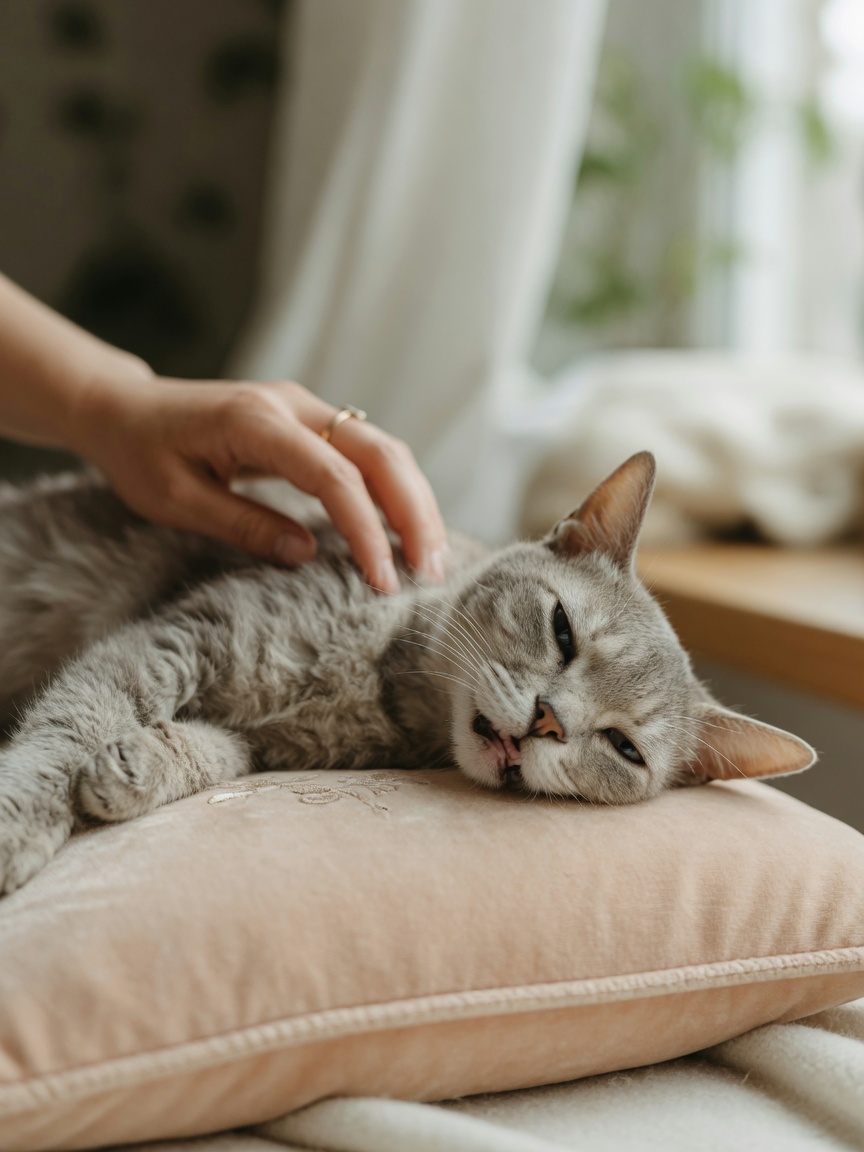
Cats with progressive FeLV infection face several significant health challenges.
Immunosuppression
FeLV suppresses the immune system, making affected cats more vulnerable to infections that a healthy cat would normally fight off with ease. Bacterial, viral, and fungal infections that would be minor in an immunocompetent cat can become serious and difficult to treat in a FeLV-positive cat. Prompt veterinary attention for any signs of illness is therefore especially important.
FeLV-Associated Tumours
FeLV is strongly associated with the development of certain cancers, most notably lymphoma, which is a cancer of the lymphatic system. FeLV-associated lymphoma can affect the chest, abdomen, or other areas of the body. The virus can also cause leukaemia, where abnormal blood cells proliferate in the bone marrow. These cancers are unfortunately a significant cause of illness and death in FeLV-positive cats.
Anaemia
FeLV can affect the bone marrow's ability to produce red blood cells, leading to anaemia. Affected cats may appear lethargic, have pale gums, and be less tolerant of exercise than normal.
Co-Infection with FIV
Cats that are positive for both FeLV and FIV face a particularly challenging prognosis. The two viruses together place a much greater burden on the immune system than either alone. Cats in high-risk populations — outdoor cats that fight regularly — should be tested for both viruses. Testing for both FeLV and FIV simultaneously is straightforward with modern snap tests available at most vet clinics.
How Is FeLV Diagnosed?
The standard initial test for FeLV is an ELISA snap test, which can be performed in-clinic and gives rapid results. This test detects FeLV antigens (proteins produced by the virus) in the blood. A positive ELISA result should be confirmed, ideally four to eight weeks later or with an IFA (immunofluorescence assay) test, which confirms that the virus has integrated into white blood cells and indicates a truly progressive infection.
Managing a FeLV-Positive Cat
A diagnosis of progressive FeLV infection is serious, but it does not mean a cat cannot have a good quality of life, at least for a period of time. Management focuses on protecting the cat's health and preventing spread to other cats.
- FeLV-positive cats should be kept indoors only, both to protect them from additional infections and to prevent them from spreading the virus to other cats in the neighbourhood.
- Regular veterinary monitoring — typically every six months — allows early detection of secondary infections, anaemia, or tumours.
- Any signs of illness should be investigated promptly, as infections can escalate quickly in an immunosuppressed cat.
- FeLV-positive cats should not live with FeLV-negative cats unless all cats in the household are vaccinated and risk is accepted.
Prognosis
There is currently no cure for FeLV. For cats with progressive infection, the median survival time is approximately two to three years from diagnosis, though some cats live longer and others less. Quality of life can be maintained with attentive management. Cats with regressive infection have a much better outlook and may live entirely normal lifespans. The prognosis depends greatly on the individual cat, its general health, and whether complications such as lymphoma develop.