
A Condition That Gives Almost No Warning Until It Becomes Critical
A gallbladder mucocele forms when abnormal mucus accumulates within the gallbladder, transforming it from a functional bile reservoir into a distended, gel-filled structure. In some dogs, this process unfolds over months with minimal symptoms. In others, the gallbladder ruptures into the abdominal cavity, causing bile peritonitis — a rapidly fatal emergency. Gallbladder mucocele is now one of the most common biliary conditions diagnosed in dogs, and its frequency is rising alongside increased use of abdominal ultrasound in general practice.
Why Does a Mucocele Form?
The exact mechanism is not fully understood, but current evidence points to dysfunctional mucus-secreting cells in the gallbladder wall, which overproduce viscous mucus that cannot be expelled normally. This creates an expanding, immobile mass within the gallbladder. Contributing factors may include:
- Abnormal lipid metabolism — hypothyroidism and hyperadrenocorticism (Cushing's disease) are strongly associated
- High-fat diets and hyperlipidaemia
- Dysmotility of the biliary tract
- Certain medications, including some steroids
Genetic predisposition plays a clear role. Shetland Sheepdogs and Border Collies carry an ABCB4 gene variant that disrupts phospholipid secretion into bile, significantly increasing mucocele risk. Cocker Spaniels and miniature Schnauzers also appear over-represented in case series.
The Problem With "Silent" Disease
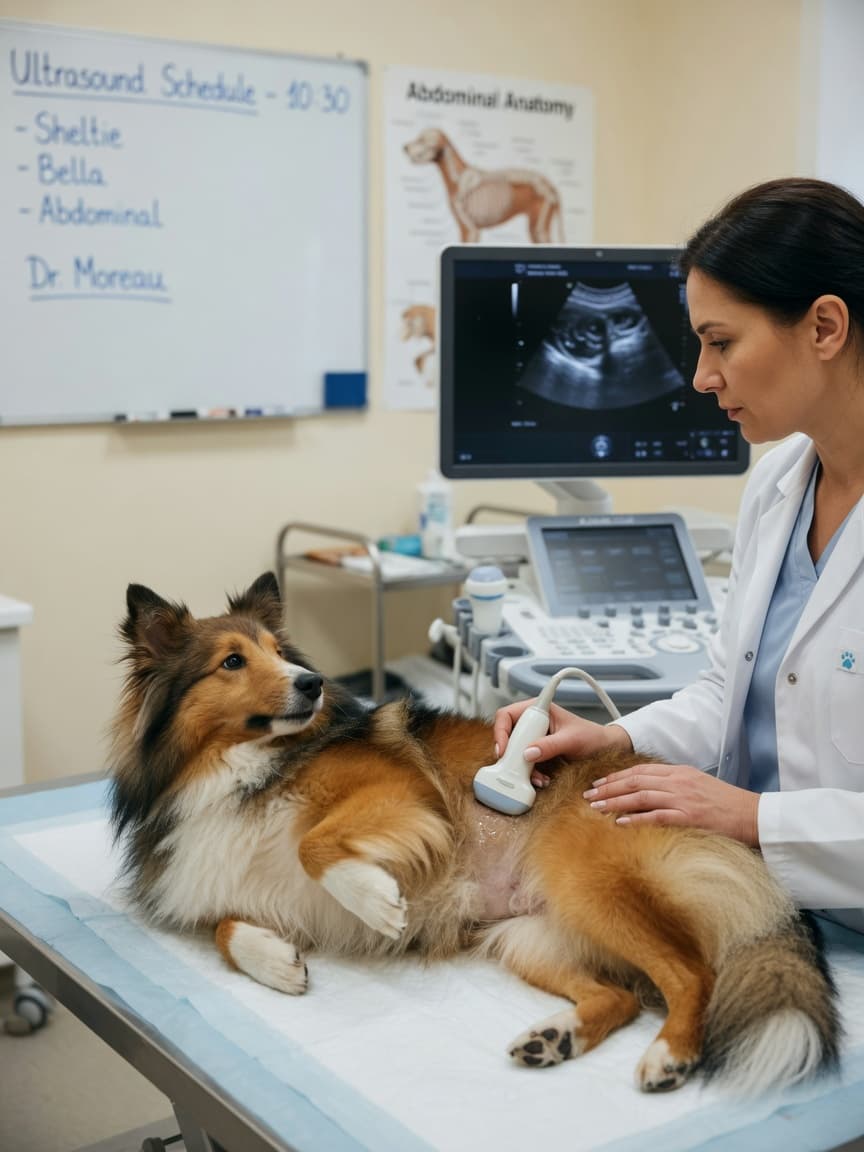
Many dogs with gallbladder mucocele are diagnosed incidentally — a vet performs an ultrasound for an unrelated complaint and finds the characteristic "kiwi fruit" pattern of bile organised into a stellate (star-like) or striated structure within the gallbladder. This is pathognomonic for mucocele and requires immediate assessment of severity and risk of rupture.
When symptoms do appear, they can include:
- Vomiting (often intermittent and attributed to other causes)
- Reduced appetite and lethargy
- Abdominal pain or hunching
- Jaundice — yellowing of skin, gums, or eyes indicating bile duct obstruction
- Polydipsia and polyuria if concurrent endocrine disease is present
When the Gallbladder Ruptures
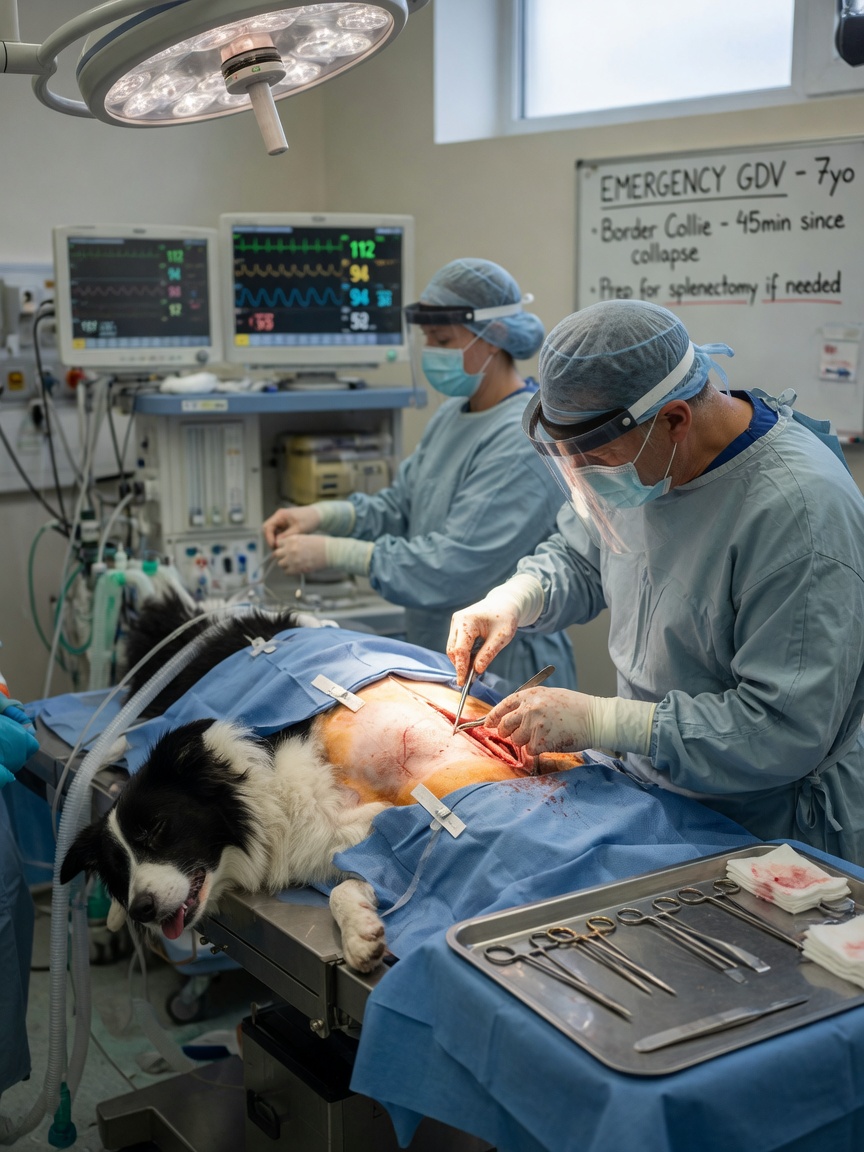
Rupture is the most feared complication. Bile entering the peritoneal cavity causes intense inflammation and rapidly progresses to septic peritonitis if bacterial contamination is present. Dogs with ruptured mucoceles present in acute abdominal crisis: collapse, severe pain, fever, and shock. Mortality rates with rupture are substantially higher than with elective surgery on an intact gallbladder. One retrospective study found that dogs undergoing surgery after rupture had mortality rates exceeding 40 per cent, compared to under 5 per cent for elective cholecystectomy in stable patients.
Diagnosis and Surgical Decision-Making
Abdominal ultrasound is the primary diagnostic tool. The stellate or kiwi-fruit appearance of inspissated (thickened) bile within the gallbladder is highly distinctive. Blood work typically reveals elevated liver enzymes — particularly ALP, which is often dramatically raised — and may show elevated bilirubin if bile duct obstruction has occurred. Concurrent hypothyroidism or Cushing's disease should be investigated and treated.
Who Needs Surgery Now?
Cholecystectomy (surgical removal of the gallbladder) is the definitive treatment. The decision to operate urgently versus monitor depends on several factors:
- Evidence of bile duct obstruction or pericholecystic fluid (fluid around the gallbladder indicating imminent or early rupture) = operate urgently
- Jaundice combined with worsening liver enzymes = operate urgently
- Incidental finding with no symptoms and no obstruction = closely monitored with serial ultrasound; surgery often still recommended given rupture risk
Medical management alone — using ursodeoxycholic acid to improve bile flow — is sometimes trialled in asymptomatic cases but does not resolve an established mucocele and should not be seen as a long-term substitute for surgery in dogs with progressing disease.
Recovery and Breed-Specific Monitoring
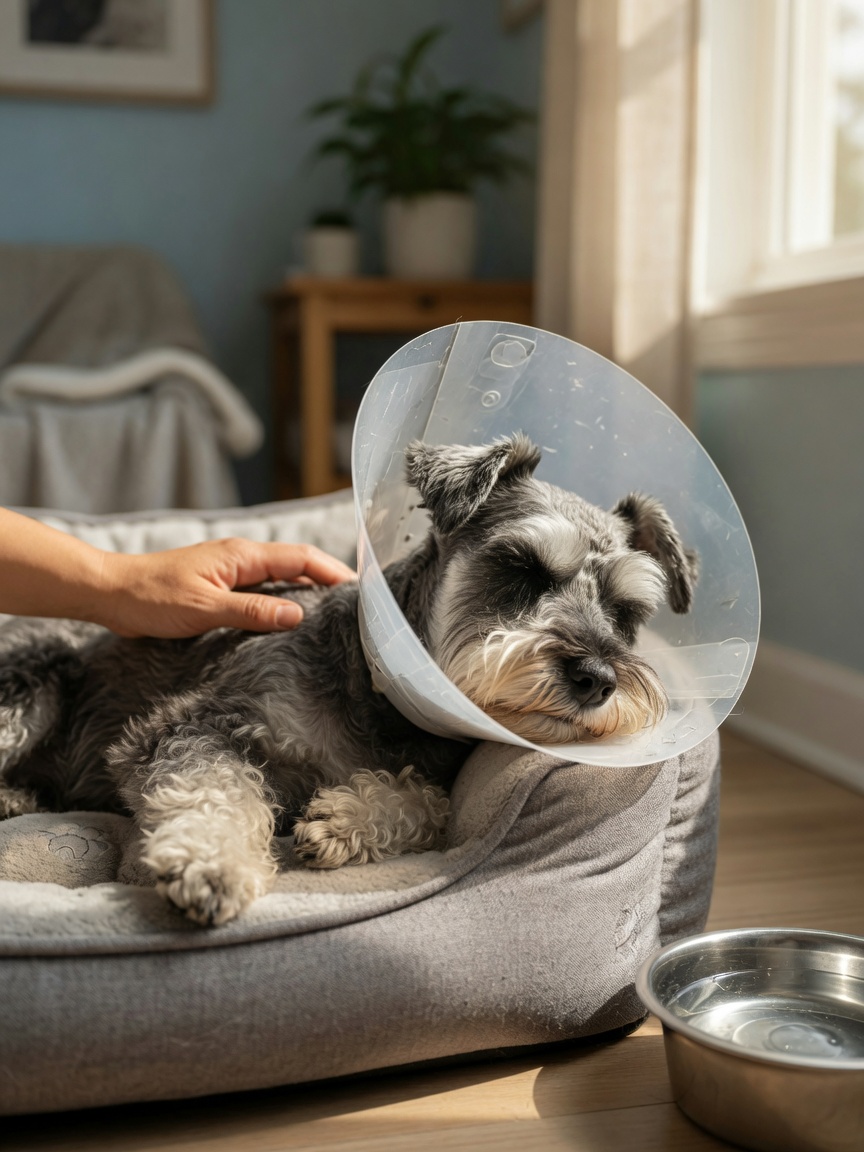
Dogs that undergo successful elective cholecystectomy before rupture typically recover well. The liver compensates for the absence of gallbladder storage, and most dogs return to normal function within weeks. Post-operatively, a low-fat diet is recommended during recovery, and any underlying endocrine disease must be managed to reduce the risk of recurrence in the bile ducts or concurrent hepatic issues.
If you own a Shetland Sheepdog, Border Collie, or Miniature Schnauzer, speak to your vet about including abdominal ultrasound in routine health checks, particularly from middle age onward. For any dog diagnosed with hypothyroidism or Cushing's disease, baseline gallbladder evaluation is prudent. This is one condition where a routine scan can genuinely save a life — catching a mucocele before it ruptures is the difference between a manageable procedure and a surgical emergency.