

The Golden Retriever's Hidden Health Burden
Golden Retrievers are consistently ranked among the most beloved dog breeds in the world, yet a landmark study found that nearly 60% of Golden Retrievers in North America will die from cancer — a rate dramatically higher than most other breeds. Behind that warm, trusting face lies a genetic legacy that demands informed, proactive ownership. Understanding the three most significant health threats facing this breed — cancer, hip dysplasia, and heart disease — gives you the best possible chance of giving your dog a long, comfortable life.
Cancer: The Golden Retriever's Greatest Threat

No other pedigree breed carries a cancer burden quite like the Golden Retriever. Haemangiosarcoma (a tumour of blood vessel walls), osteosarcoma (bone cancer), lymphoma, and mast cell tumours are all disproportionately common in the breed. Researchers believe a combination of genetic mutations, immune dysregulation, and possibly environmental factors drive this susceptibility.
Signs to watch for
- Unexplained weight loss or muscle wasting
- Lumps or bumps that appear suddenly or grow quickly
- Swollen lymph nodes, particularly under the jaw or behind the knees
- Pale gums, sudden collapse, or abdominal distension (haemangiosarcoma emergency signs)
- Persistent lameness not explained by joint issues
What you can do
Annual veterinary health checks from middle age (around five years) are essential. Many vets now recommend including a complete blood count and biochemistry panel as a baseline. Maintaining a healthy body weight has been associated with lower cancer incidence in some studies, making weight management a simple but meaningful preventive step. Always have new lumps assessed promptly — early detection remains the single most effective tool available.
Hip Dysplasia: Managing a Common Joint Condition
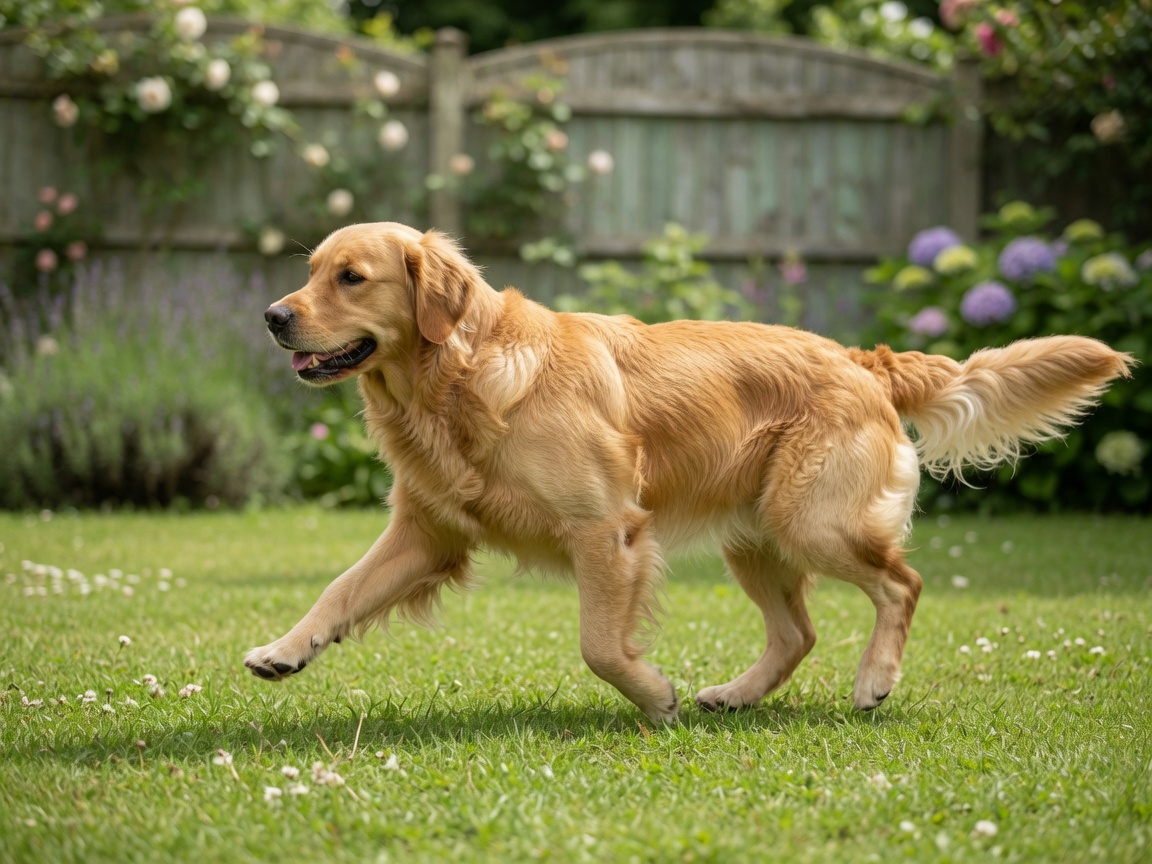
Hip dysplasia occurs when the ball and socket of the hip joint develop abnormally, causing instability, cartilage wear, and eventually arthritis. In Golden Retrievers, the condition is partially hereditary, though rapid growth, excess body weight, and inappropriate exercise during puppyhood can worsen genetic predisposition.
Recognising hip dysplasia early
- Reluctance to climb stairs or jump into the car
- A characteristic "bunny hop" gait when running
- Stiffness after rest, particularly in cold weather
- Reduced activity or shortened exercise tolerance in young dogs
Prevention and management
When selecting a puppy, ask breeders for hip scores on both parents — the British Veterinary Association (BVA) and Kennel Club hip scheme gives each hip a numerical score, with lower being better. During puppyhood, avoid repetitive high-impact exercise such as long runs or repeated stair climbing until skeletal maturity at around 18 months. For dogs already showing signs, your vet may recommend physiotherapy, controlled hydrotherapy, joint supplements, anti-inflammatory medication, or in severe cases, surgical intervention. Always work with your vet to build a tailored management plan rather than relying solely on over-the-counter supplements.
Subvalvular Aortic Stenosis: The Heart Condition to Know
Subvalvular aortic stenosis (SAS) is the primary cardiac concern in Golden Retrievers. It involves a narrowing just below the aortic valve, which forces the heart to work harder to pump blood. Mild cases may never cause problems, but moderate to severe SAS can lead to fainting, exercise intolerance, or sudden cardiac death in young dogs.
SAS is inherited in Golden Retrievers, making cardiac auscultation (listening to the heart) a standard part of responsible breeding practice. All breeding dogs should be examined annually by a cardiologist under the BVA and Kennel Club heart scheme.
Signs of cardiac disease in dogs
- A heart murmur detected during a routine vet check
- Fainting or sudden collapse during exercise
- Breathing difficulties or rapid respiratory rate at rest
- Exercise intolerance that seems to worsen over time
Elbow Dysplasia and Other Orthopaedic Concerns
While hip dysplasia attracts most attention, elbow dysplasia is increasingly common in the breed and can cause significant forelimb lameness. Like hip dysplasia, it has a heritable component and is worsened by rapid growth and inappropriate nutrition during puppyhood. BVA elbow scoring is available and recommended for breeding dogs. Feeding a large-breed puppy food that controls calcium and calorie levels during growth phases helps reduce the risk of developmental orthopaedic disease.
Proactive Health Screening: Your Roadmap
Golden Retriever owners are in a stronger position than many, because the breed's known vulnerabilities mean there are clear, evidence-based screening options available. Building a proactive health schedule with your veterinary practice is the most practical step you can take.
- Puppy check: confirm heart health with auscultation at first vaccination and again at six months
- Hip and elbow scores: have breeding dogs assessed; ask for parental scores when purchasing a puppy
- Annual health checks from age five: include full bloodwork and physical examination
- Monitor body weight monthly and keep your dog lean throughout life
- Check for new lumps at every grooming session and report any to your vet promptly
- Discuss cardiac monitoring with your vet if a murmur is ever detected
None of these conditions is inevitable, and many Golden Retrievers live well into their thirties (in dog years) with attentive care. The key is partnership with a veterinary team who understands the breed, combined with an owner who knows what to look for. If you have any concerns about your dog's health, always consult your vet rather than relying on home assessment alone.