
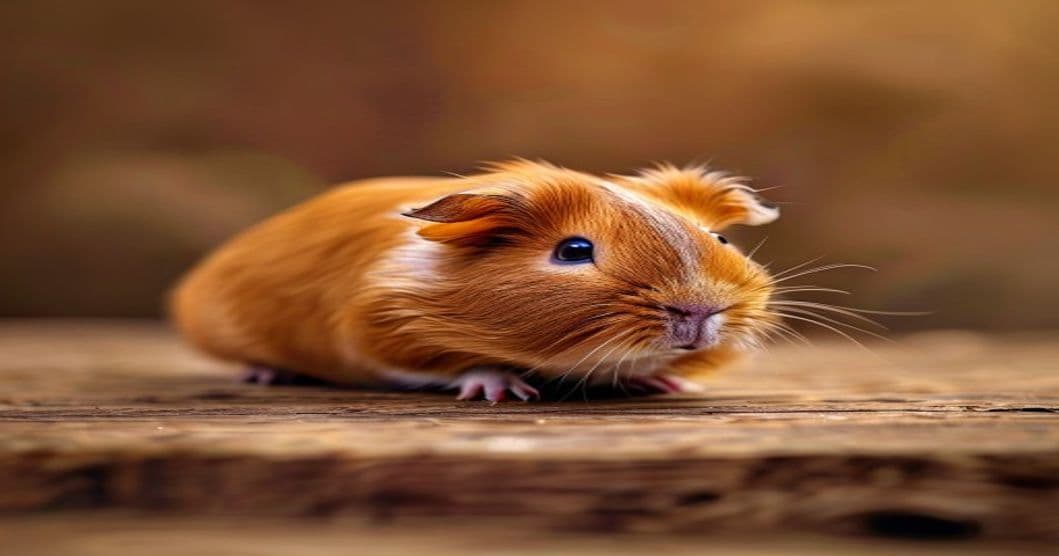
The Remarkable and Relentless Guinea Pig Tooth
Guinea pigs belong to a group of animals known as hypsodont herbivores — a term that refers to mammals whose teeth grow continuously throughout their lives. Every single tooth in a guinea pig's mouth, from the visible front incisors to the hidden cheek teeth deep in the jaw, is in a constant state of eruption. This is not a design flaw; it is a precise adaptation for a life spent grinding fibrous plant material. When the system works correctly, chewing wears teeth down at the same rate they grow. When it goes wrong, the consequences can be severe and rapid.
Dental disease is one of the leading causes of illness and weight loss in guinea pigs seen at exotic veterinary practices. Understanding why teeth grow the way they do, and what owners can do to support proper wear, is one of the most important aspects of responsible guinea pig care.
Anatomy of Guinea Pig Teeth
Guinea pigs have a total of 20 teeth. The four most visible are the incisors — two upper and two lower — which are the long, chisel-shaped teeth at the very front of the mouth. These should be slightly yellow or ivory in colour; bright white incisors can sometimes indicate enamel abnormalities. The incisors are used for grasping and biting food, but they are not the primary grinding teeth.
The bulk of dental work is done by the premolars and molars — collectively called cheek teeth — which sit behind a gap known as the diastema. There are 16 cheek teeth in total, and they are essentially impossible to see without specialist equipment. This is one reason dental problems in guinea pigs often go undetected until they are quite advanced.
How Normal Wear Works
In a guinea pig with a healthy diet and correct occlusion (the way the upper and lower teeth meet), chewing creates a natural grinding action that keeps tooth surfaces level. The upper cheek teeth angle slightly inward, and the lower cheek teeth angle slightly outward, creating a characteristic diagonal wear pattern. When this alignment is even slightly disrupted, wear becomes uneven and sharp spurs or points begin to develop on the edges of the teeth.
What Causes Dental Disease in Guinea Pigs
The most common root cause of dental problems in guinea pigs is an insufficient fibre intake — specifically, a lack of long-stem hay. Hay is not just food; it is a dental tool. The lateral, side-to-side jaw movements required to grind hay are what maintain proper cheek tooth wear. Diets that rely heavily on pellets, soft vegetables, or commercial mixes do not stimulate the same jaw action and do not provide adequate wear.
Genetics also play a role. Some guinea pigs are predisposed to malocclusion — misalignment of the teeth — due to skull shape. Conditions such as leontiasis (overgrowth of cheek teeth that eventually bridges across the tongue, trapping it) can develop even in animals receiving an excellent diet, though good nutrition significantly reduces the risk and slows progression in predisposed individuals.
Calcium and phosphorus imbalances, vitamin C deficiency (guinea pigs cannot synthesise their own and must obtain it through diet), and low magnesium intake can all affect the structural integrity of teeth and the jawbones that anchor them. A guinea pig deficient in vitamin C is at considerably higher risk of dental and gum problems.
Signs That Something Is Wrong
Because the cheek teeth are out of view, the first signs of dental disease are usually behavioural and metabolic rather than visual. Common warning signs include:
- Weight loss despite appearing to eat
- Drooling or a wet chin and chest
- Dropping food while chewing (known as quidding)
- Preference for soft foods over hay
- Reduced appetite or apparent difficulty picking up food
- Eye discharge (overgrown tooth roots can press on tear ducts)
- Facial swelling, particularly along the jaw
Any of these signs warrants a prompt veterinary examination. An experienced exotic vet will use an otoscope or purpose-built buccal pad specula to examine the cheek teeth, and in many cases will recommend skull radiographs (X-rays) to assess root length and bone condition. Root problems are common and cannot be evaluated by visual examination alone.
Treatment Options
When spurs or overgrown teeth are identified, the treatment is dental filing — a procedure carried out under general anaesthesia. Guinea pigs must be anaesthetised for this because the procedure requires access deep into a very small mouth, and any movement risks serious injury. It is a specialist procedure and should always be performed by a vet with experience in exotic small mammal dentistry.
In cases of severe malocclusion or tooth root abscess, extraction may be necessary. Dental abscesses in guinea pigs are particularly difficult to treat because, unlike in some other species, the pus they produce is thick and caseous (cheese-like) rather than liquid, making drainage and resolution challenging.
How Often Should Teeth Be Checked
Incisors can be checked by owners at home during regular handling — they should be roughly equal in length, meet evenly, and show no signs of fracture or unusual colouration. Cheek teeth should be assessed by a vet at every annual check-up, or more frequently if your guinea pig is older, has a history of dental issues, or shows any of the warning signs listed above.
Prevention Through Diet
The single most effective thing an owner can do to support guinea pig dental health is to ensure that unlimited, high-quality grass hay — timothy, orchard grass, or meadow hay — makes up at least 70 to 80 percent of the daily diet. Pellets should be offered in small, measured amounts; a tablespoon per day per guinea pig is sufficient. Fresh vegetables, particularly leafy greens and bell pepper for vitamin C, round out the diet.
Fresh grass, when available and free from pesticide contamination, is an excellent supplement. Avoid seed mixes, dried fruit pieces, and commercial "treats" that encourage selective eating and fail to provide the lateral jaw movement that keeps those ever-growing teeth in check.