
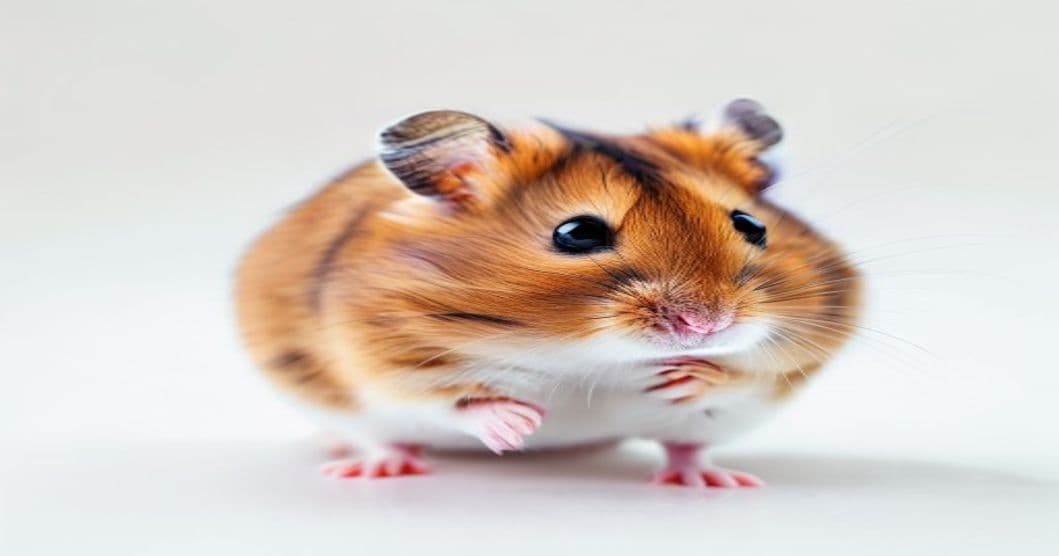
WET TAIL IS FATAL WITHIN 24–48 HOURS WITHOUT TREATMENT.
IF YOUR HAMSTER HAS A WET, SOILED TAIL AREA AND IS LETHARGIC — GO TO AN EXOTIC VET IMMEDIATELY.
DO NOT WAIT UNTIL MORNING.
- Proper name: proliferative ileitis (bacterial infection of the intestine)
- Can kill within 24–48 hours — among the fastest-acting small animal diseases
- Most common in Syrian hamsters aged 3–6 weeks
- Causes: stress, poor sanitation, abrupt dietary changes
- Contagious to other hamsters
- Requires exotic animal specialist vet — not a regular vet
- Survival rate: poor if not treated within first 24 hours
Hamster Wet Tail: Symptoms, Treatment & Survival Rate
By Sarah Bennett, Certified Animal Nutritionist
Wet tail is the most feared disease in hamster keeping — and for good reason. It can strike suddenly, progress with terrifying speed, and kill an otherwise healthy hamster within a day or two of the first visible symptoms. If you are reading this because your hamster currently has a wet or soiled tail area and appears unwell, stop reading and call an exotic animal specialist veterinarian right now. Every hour of delay in treatment significantly reduces the chance of survival.
For those seeking to understand and prevent this disease, this article covers the biology, symptoms, treatment, and critically — what to do in the first moments after you suspect your hamster has wet tail.
What Is Wet Tail? The Biology Behind the Disease
Wet tail is the common name for proliferative ileitis — a serious bacterial infection of the small intestine, specifically the ileum. The primary pathogen implicated is Lawsonia intracellularis, though other bacteria including Campylobacter species and Escherichia coli are frequently involved in the disease process.
The infection causes the lining of the intestine to proliferate abnormally — the cells multiply in a disordered, inflammatory way that disrupts normal absorption and function. The result is severe, watery diarrhea that the hamster cannot control. This diarrhea soaks the tail region and surrounding fur — hence the common name. The combination of uncontrolled diarrhea, intestinal inflammation, and inability to absorb nutrients or fluids creates a cascade toward fatal dehydration and systemic collapse.
Why It Kills So Fast: The Dehydration Cascade
Small animals lose body fluid proportionally much faster than large ones. A hamster weighing 100–150 grams has very little physiological reserve. Severe diarrhea, even for a few hours, can cause Dangerous">Dangerous">Dangerous">dangerous dehydration. By the time a hamster appears obviously ill — hunched posture, eyes half-closed, profound lethargy — severe dehydration has often already set in. The intestinal inflammation, secondary bacterial invasion into the bloodstream (septicemia), and electrolyte disruption then create a self-reinforcing collapse that becomes extremely difficult to reverse.
This is why the 24–48 hour window is not an exaggeration. Clinical cases that receive treatment within the first 12–24 hours of symptoms have the best outcomes. Cases presenting at 48 hours or later have very poor prognoses, regardless of treatment intensity.
Which Hamsters Are Most at Risk?
Wet tail can affect any hamster but is overwhelmingly most common in Syrian (golden) hamsters. Dwarf species — Roborovski, Russian Campbell, Winter White, and Chinese hamsters — are significantly less susceptible, though not completely immune.
The highest-risk period is 3–6 weeks of age, typically around the time of weaning and first sale. The stress of weaning from the mother, being transported to a pet store, exposure to a large number of other animals, changes in diet, and then the further stress of being purchased, transported again, and placed in a completely new environment can trigger the disease in animals that were carrying the bacteria without showing symptoms.
This is why wet tail is so commonly seen in newly purchased hamsters in their first 1–2 weeks in a new home. The animal was already under stress from the pet store, and the final stressor of rehoming pushes the immune system past its capacity to keep the bacteria in check.
Recognizing the Symptoms
Know these signs and react immediately if you see them:
- Wet, matted, dirty tail area — the defining sign; the fur around the tail and hindquarters is visibly wet and often foul-smelling due to liquid diarrhea
- Severe lethargy — the hamster does not move normally, may sit huddled in a corner rather than in its nest, and does not respond to gentle handling with its usual alertness
- Hunched posture — the back is arched and the animal looks "tucked in," indicating abdominal pain
- Not eating or drinking — a hamster that ignores food it normally enjoys is showing a serious systemic sign
- Foul, distinctive odor — wet tail diarrhea has a characteristic, very unpleasant smell distinct from normal waste
- Squinting or partially closed eyes — indicates pain and systemic illness
- Dehydration signs — skin on the scruff tenting (staying raised when gently pinched) rather than snapping back indicates significant fluid loss
Treatment: What an Exotic Vet Will Do
Wet tail requires treatment from a veterinarian with exotic animal experience. A general small animal practice may not stock the appropriate medications or have experience with the dosages and supportive care required for a 100g patient.
Treatment typically includes:
- Antibiotics — metronidazole is the most commonly used agent; it targets anaerobic bacteria and has anti-inflammatory effects on intestinal tissue. Other antibiotics may be added depending on bacterial culture results.
- Fluid therapy — subcutaneous or intraperitoneal fluids to address dehydration; this is often the most critical immediate intervention
- Motility modifiers — medications to slow the diarrhea and allow fluid absorption to begin recovering
- Supportive warmth — dehydrated hamsters lose body heat rapidly; maintaining temperature is a key nursing care element
- Hand-feeding and supportive nutrition — if the hamster will not eat independently
Commercial "wet tail drops" sold in pet stores are not a substitute for veterinary treatment. They may provide mild supportive benefit in very mild cases, but wet tail as a true proliferative ileitis is a systemic bacterial disease that requires prescription antibiotics and fluid management.
Survival Rate: An Honest Assessment
The prognosis for wet tail depends almost entirely on how quickly treatment begins. Hamsters treated within the first 12–24 hours of symptom onset have a reasonable chance of survival with aggressive supportive care. Hamsters presenting at 36–48 hours or beyond — or those in which disease has progressed to septicemia — have a very poor prognosis regardless of treatment. Even with optimal care, the mortality rate in confirmed wet tail cases is substantial. This is why prevention and rapid response are so critically important.
Wet Tail Is Contagious
The bacteria responsible for wet tail are shed in feces and spread through cage contact, shared bedding, shared food and water, and direct contact between animals. If one hamster in a multi-hamster household (noting that Syrian hamsters should always be kept alone) or in a pet store cage develops wet tail, every animal that has had contact with it has been exposed.
Isolate any hamster showing symptoms immediately. Disinfect all cage equipment that the sick hamster has contacted. Wash hands thoroughly before and after handling different animals.
Prevention
The most important preventive measure is minimizing stress during the vulnerable early weeks:
- Quarantine new hamsters for a minimum of 2 weeks before contact with other animals
- Minimize handling in the first 48–72 hours after arrival home — allow the hamster to settle in its new cage before intensive interaction
- Maintain cage hygiene — spot-clean daily, full clean weekly, never allow feces or soiled bedding to accumulate
- Consistent diet — do not make abrupt food changes; introduce new foods gradually
- Appropriate social conditions — Syrian hamsters must be housed alone; cohabitation is a major ongoing stressor
- Avoid overcrowding — hamsters are solitary and high-density conditions in pet stores are a significant disease risk factor
Shop hamster cages, bedding, and safe food at Zooplus →
Spacious housing, paper-based bedding, and natural food mixes to reduce stress and disease risk.
Key Takeaways
- Wet tail (proliferative ileitis) is a bacterial intestinal infection that can kill a hamster within 24–48 hours.
- If your hamster has a wet tail, lethargy, and is not eating — this is an emergency. Go to an exotic vet immediately.
- Syrian hamsters aged 3–6 weeks are most vulnerable, particularly during or just after rehoming.
- Symptoms: wet dirty tail, severe lethargy, hunched posture, not eating, foul smell, squinting eyes.
- Treatment requires a vet experienced with exotic animals — antibiotics (metronidazole) and fluid therapy are critical.
- Survival rate drops sharply after 24 hours without treatment.
- Wet tail is contagious — isolate affected animals and disinfect all shared equipment.
- Prevention: minimize stress at rehoming, maintain cage hygiene, keep Syrian hamsters housed alone.
References
- Fielder SE. "Proliferative ileitis in hamsters." In: Merck Veterinary Manual. Merck & Co.; 2022. [Comprehensive clinical overview of Lawsonia intracellularis-associated disease in Mesocricetus auratus; available via MVM online.]
- Nakagawa M, Saegusa J, Takeuchi M, Tajima Y, Honjo T. "Proliferative ileitis in golden hamsters (Mesocricetus auratus)." Jpn J Vet Sci. 1984;46(4):561–565. PMID: 6492393. [Pathological characterization of intestinal lesions in wet tail; histological documentation of proliferative changes in the ileum.]