
Herbal Remedies for Cats: What's Safe and What to Avoid
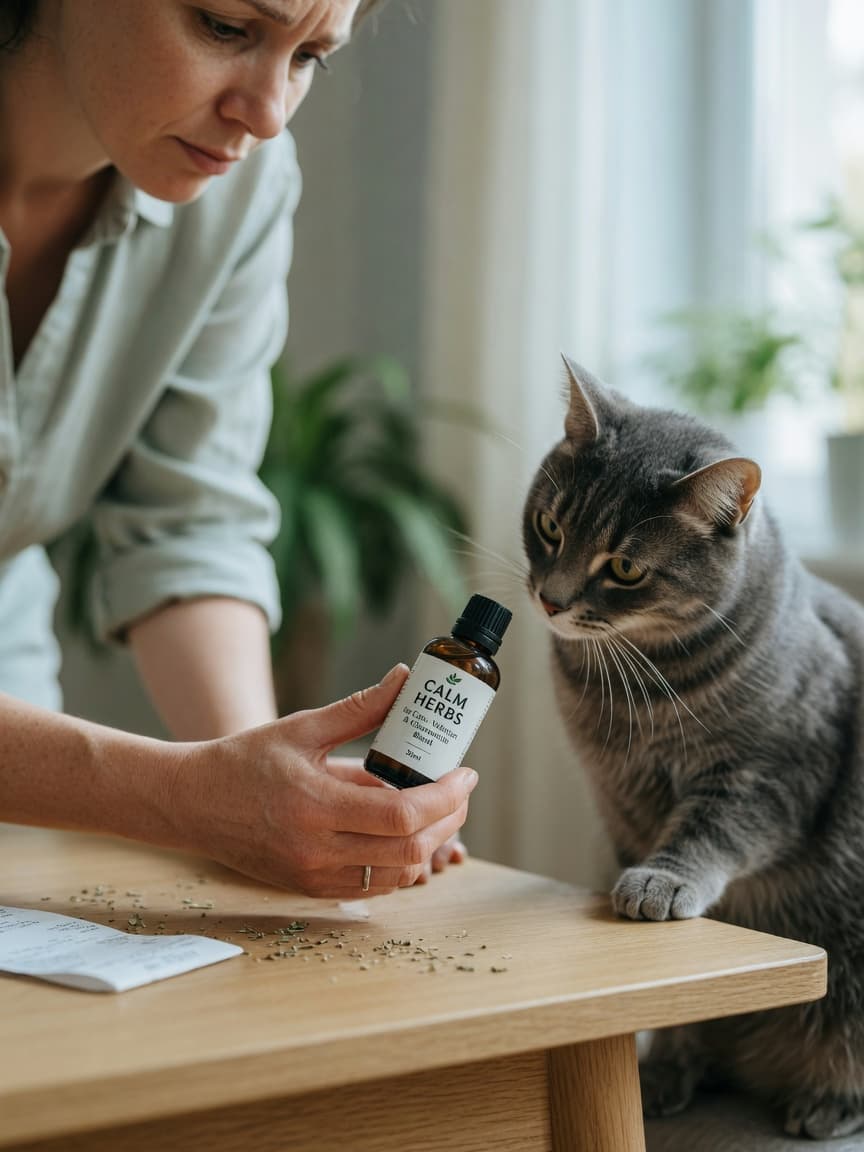
Interest in herbal remedies for cats has grown considerably alongside the broader trend towards natural health products for pets. The appeal is understandable — many owners want to support their cat's wellbeing with gentler alternatives to pharmaceuticals. However, cats present a unique and serious challenge when it comes to herbal medicine, one that every owner should understand before trying anything at home.
Why Cats Are Different
Cats have a metabolic peculiarity that makes them highly susceptible to toxins that other species handle without difficulty. They lack a key liver enzyme — glucuronyl transferase — that is responsible for processing and eliminating many compounds, including phenols, essential oil components, and certain plant chemicals. This means substances that are perfectly safe for dogs or humans can accumulate to toxic levels in cats with startling speed.
This is not a minor detail. It is the most important thing to understand about herbal remedies and cats, and it explains why many products marketed for "pets" are not actually safe for felines even when they appear natural or plant-based.
Herbs That Are Potentially Safe
A limited number of herbs have been used in cats with a reasonable safety profile, though evidence for their efficacy is generally limited and veterinary guidance should always be sought before use.
- Valerian root is sometimes used to support relaxation in anxious cats. It is considered low toxicity in small amounts and many cats are attracted to its scent.
- Chamomile in very small quantities has mild calming properties, though it should not be used long-term and some cats are sensitive to it.
- Slippery elm bark has been used to support digestive health and may be helpful for cats with mild gastrointestinal upset.
- Catnip (Nepeta cataria) is well known and safe. Its effects are neurological rather than chemical and it is not harmful even in moderate amounts, though not all cats respond to it.
- Calendula applied topically to minor skin irritations has a long history of use and is generally considered safe for external application.
Even with these relatively safe options, dosing matters. Cat-appropriate dosing is very different from human or even canine dosing, and products formulated for humans should never be used.
Herbs and Substances That Are Dangerous for Cats
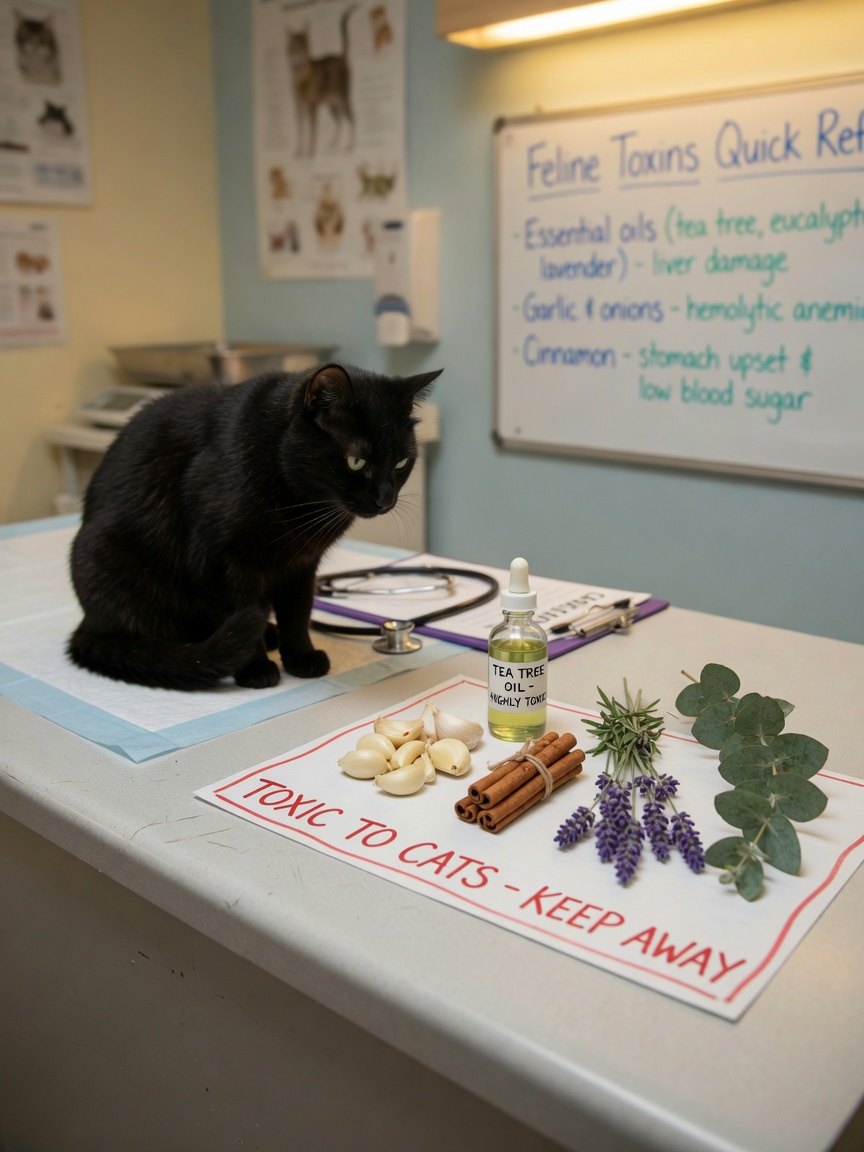
The list of herbs that are toxic to cats is considerably longer than the safe list. The following should never be used:
- Tea tree oil (melaleuca) — even small topical amounts can cause severe neurological toxicity
- Pennyroyal — highly toxic and potentially fatal
- Eucalyptus — causes drooling, vomiting, and neurological symptoms
- Clove and cinnamon oils — toxic to the liver and nervous system
- Garlic and onion — cause haemolytic anaemia even in small doses
- Lavender oil — toxic when ingested or absorbed through the skin in concentrated form
- Wormwood — used historically as a parasite treatment but dangerously toxic to cats
- Yarrow — can cause photosensitivity and haemolytic anaemia
Many of these appear in commercially available "natural" pet products, diffuser blends, or homemade remedies. Always read ingredient lists carefully and research each component specifically for feline safety.
The Problem with "Natural" Labelling
One of the most dangerous misconceptions in pet care is that "natural" equals safe. Arsenic, hemlock, and nightshade are entirely natural. The herbal supplement industry is also poorly regulated in many countries, meaning that products can be mislabelled, contaminated, or contain undisclosed ingredients. This is particularly concerning for cats, given their metabolic vulnerability.
Some herbal products marketed for pets use proprietary blends where individual herb concentrations are not disclosed, making it impossible to assess safety. Others combine multiple herbs whose interactions have not been studied in cats.
Signs of Herb Toxicity in Cats
If your cat has been exposed to a potentially toxic herb, watch for the following symptoms and contact a vet immediately if they appear:
- Excessive drooling or foaming at the mouth
- Vomiting or diarrhoea
- Tremors, wobbling, or seizures
- Lethargy or collapse
- Difficulty breathing
- Pale or yellowish gums
Speed matters with toxicity. Do not wait to see if symptoms improve — contact your vet or the Animal Poison Line immediately.
Getting Genuine Guidance
If you want to explore herbal or natural support for your cat, the safest route is to consult a vet who has training in integrative or herbal medicine. The British Association of Veterinary Herbalists can provide referrals to practitioners with appropriate qualifications. Avoid taking advice solely from online forums, social media, or supplement company websites, where cat-specific safety information is frequently absent or inaccurate.
A healthy scepticism and the guidance of a qualified vet are your best tools when navigating this area. Your cat's liver enzymes cannot compensate for well-intentioned but poorly informed choices.