
How Big Are Cane Corsos? (With Size & Growth Chart) — Dogster
If you're considering welcoming a Cane Corso into your family, understanding their impressive size is essential. These Italian mastiffs are among the largest dog breeds, commanding respect with their muscular frames and powerful presence. Whether you're a first-time large-breed owner or an experienced handler, knowing exactly how big these dogs grow—and what that means for your home and lifestyle—will help you make an informed decision.
Standard Adult Size for Cane Corsos
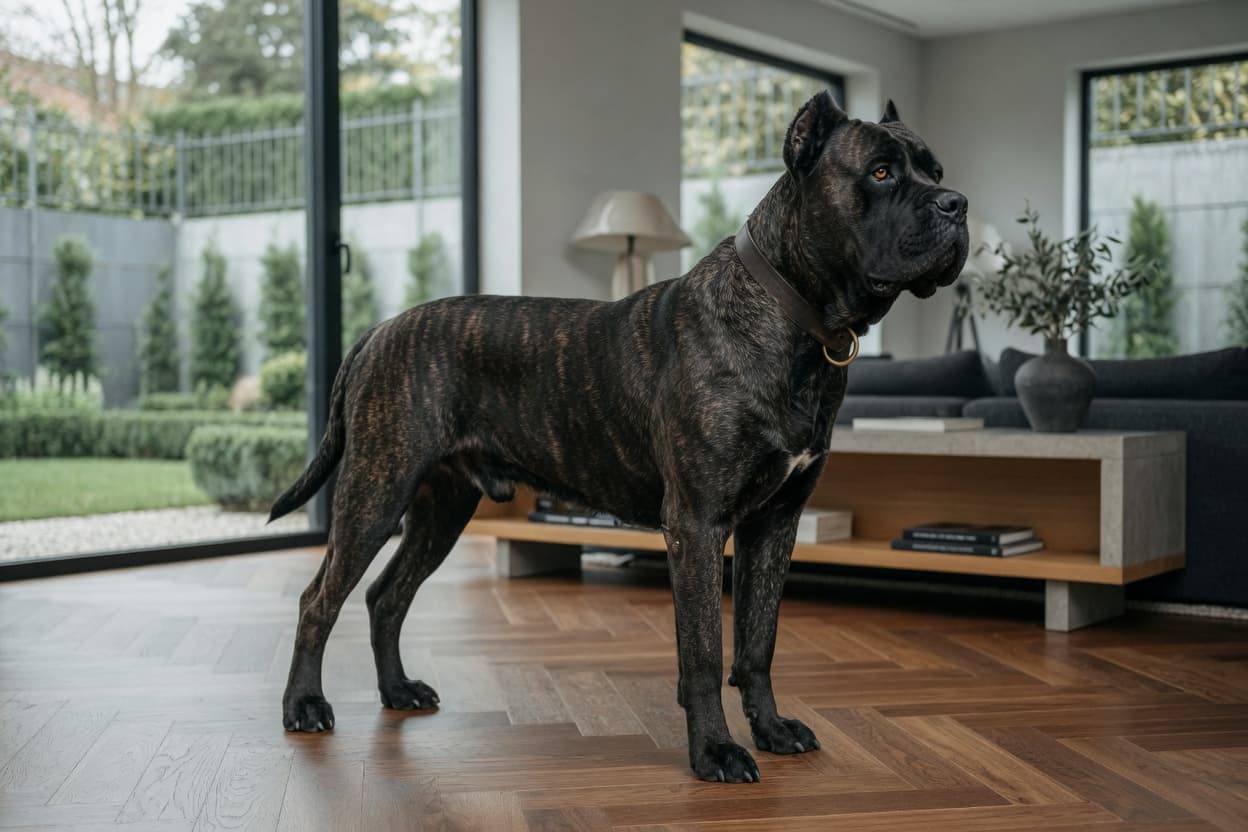
Cane Corsos are substantial dogs that typically stand between 64–71 centimetres (25–28 inches) at the shoulder. Males generally reach the upper end of this range, whilst females tend to be slightly smaller. Weight varies considerably, but most healthy adult Cane Corsos weigh between 40–50 kilograms (88–110 pounds), with some larger individuals exceeding 54 kilograms.
What's particularly striking about this breed is not just their height, but their dense, muscular build. A Cane Corso isn't just tall—they're powerfully built with broad chests, strong limbs, and a substantial frame that can feel even larger than their actual measurements suggest.
Growth Timeline: From Puppy to Adult
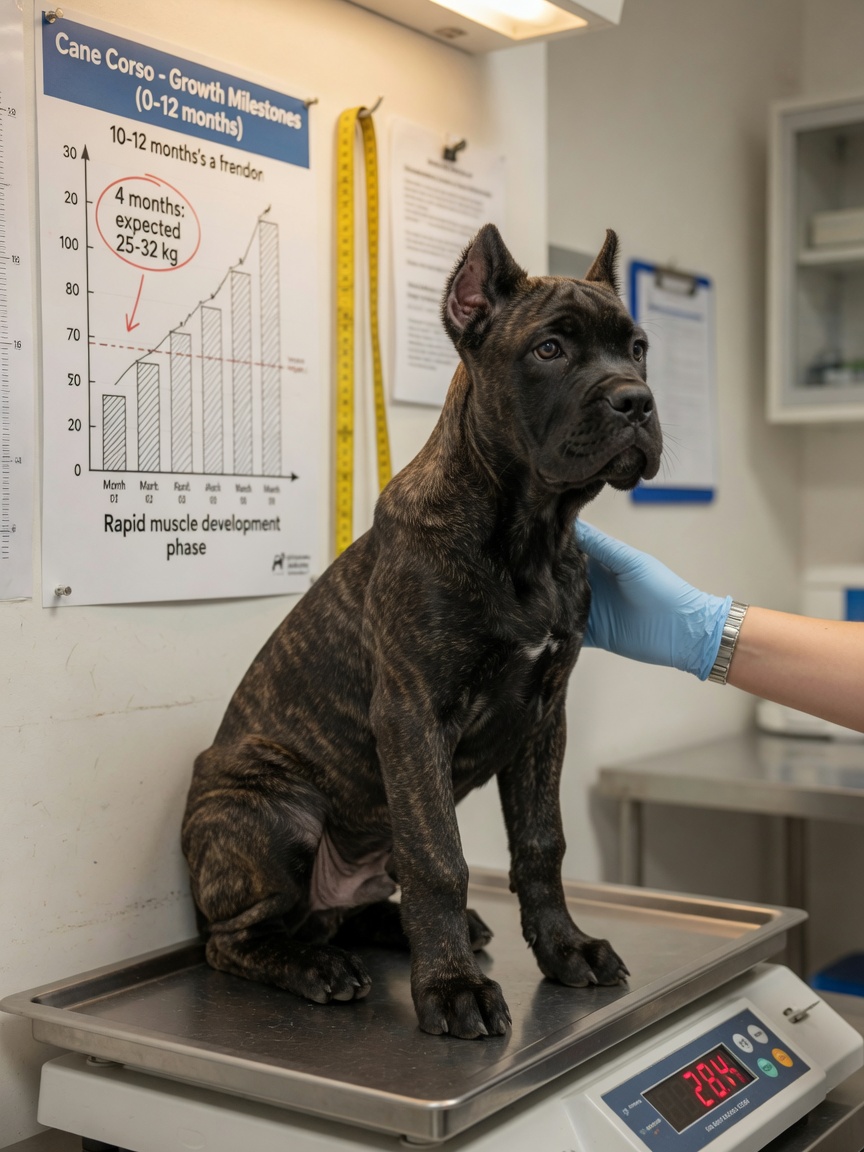
Understanding how quickly Cane Corsos grow is crucial for planning your living space and managing their development:
- 2–4 months: Puppies weigh roughly 9–18 kilograms and grow rapidly, sometimes gaining 1 kilogram per week
- 4–6 months: Growth accelerates further, reaching approximately 20–30 kilograms as bones and muscles develop quickly
- 6–12 months: By their first birthday, most Cane Corsos weigh 35–45 kilograms and are nearly their full height
- 12–18 months: Continued muscle development and maturation, though growth plates are closing
- 18–24 months: Most Cane Corsos reach full maturity, though some continue gaining muscle mass until age three
Factors Influencing Size
Not all Cane Corsos grow identically. Several factors affect their final size:
- Genetics: Parental size is the strongest predictor of adult size. Request growth information from responsible breeders
- Nutrition: Proper diet during growth stages is vital—large-breed puppies require specific calcium and phosphorus ratios to support healthy bone development
- Exercise: Moderate, age-appropriate exercise supports healthy growth without stressing developing joints
- Health Status: Illness, malnutrition, or underlying conditions can stunt growth or cause developmental issues
- Sex: Males typically outweigh females by 5–9 kilograms on average
What Big Size Means for Care and Living Space
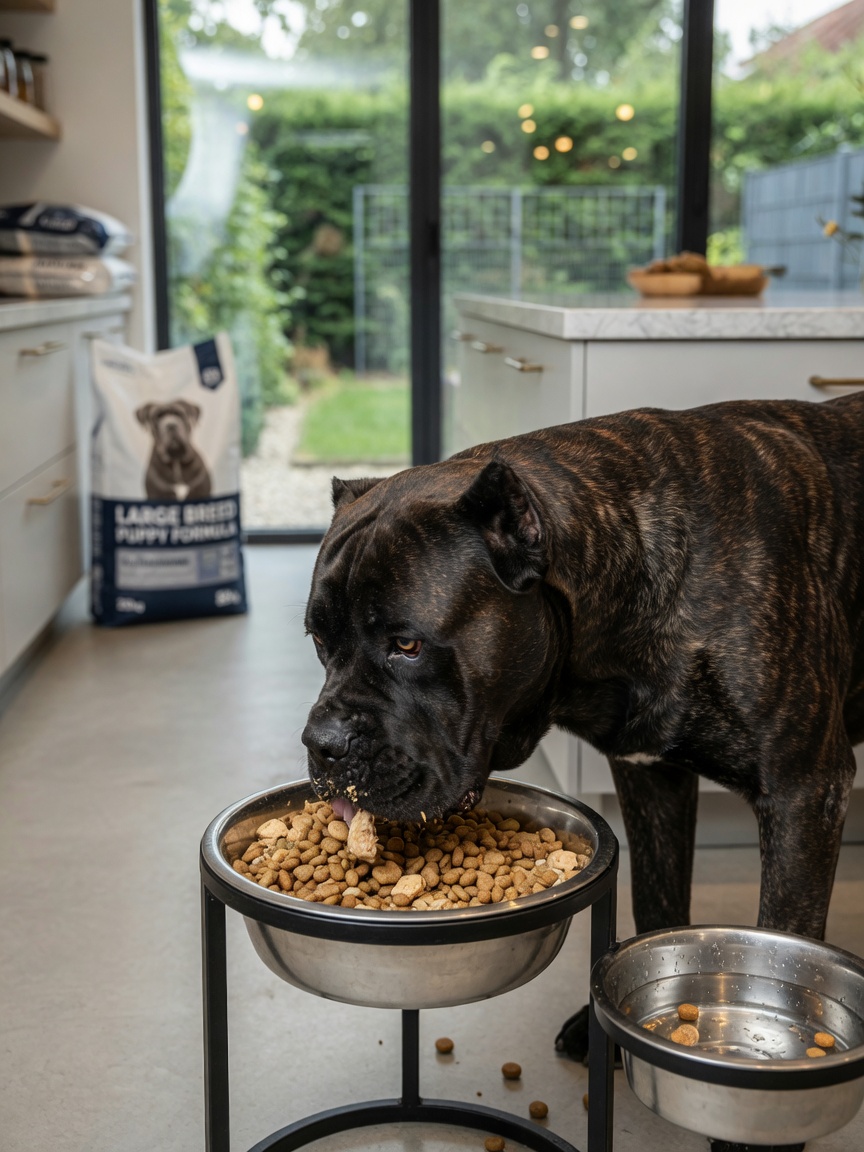
Owning a large Cane Corso requires practical considerations. You'll need a spacious home—ideally with a secure garden—as these dogs require room to move comfortably. Large-breed dogs need specially formulated food to prevent hip dysplasia and other joint concerns, which are more common in bigger breeds.
Healthcare costs tend to be higher, as veterinary services, preventative treatments, and medications are typically dosed by weight. Additionally, Cane Corsos require consistent training and socialisation from puppyhood to manage their strength responsibly.
Monitoring Healthy Growth
Regular veterinary check-ups are essential to ensure your Cane Corso grows at an appropriate rate. Your vet can assess body condition scoring and confirm your puppy is developing normally. Avoid overfeeding, which accelerates growth too quickly and increases joint stress in large breeds.
Nutritional excellence matters tremendously. Consult your vet about large-breed puppy formulas that support measured, healthy development rather than rapid growth.
Key Takeaways
Cane Corsos are genuinely large dogs—typically 64–71 centimetres tall and weighing 40–50 kilograms as adults. Their rapid growth during the first 18 months requires careful nutrition, appropriate exercise, and veterinary oversight. If you're prepared for the space, financial commitment, and training demands of a truly large breed, a well-socialised Cane Corso can be a loyal, affectionate companion. However, this impressive size isn't merely aesthetic—it fundamentally shapes their care requirements and your lifestyle compatibility with the breed.