
How Big Do Newfoundland Dogs Get? Average Weight & Growth Chart — Dogster
Newfoundland dogs are amongst the largest and most impressive dog breeds in the world. These gentle giants, originally bred as working dogs for fishermen off the Canadian coast, are known for their incredible size, strength, and water-loving nature. If you're considering welcoming a Newfoundland into your home or already share your life with one, understanding their growth patterns and expected adult size is essential for proper planning, nutrition, and healthcare.
Average Adult Size of Newfoundland Dogs
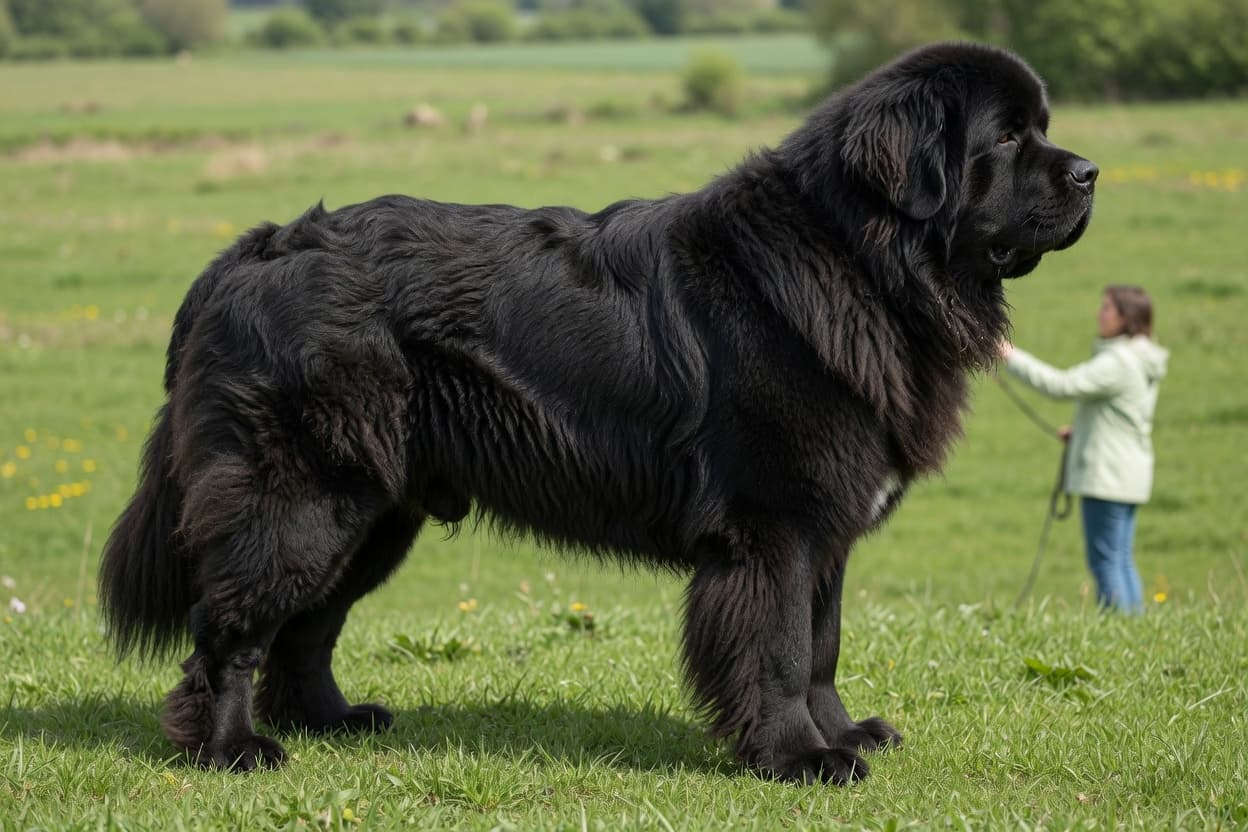
Newfoundlands are truly giant breeds, and their size is one of their most distinctive characteristics. Adult males typically stand between 56 and 71 centimetres (22 to 28 inches) at the shoulder and weigh between 59 and 68 kilogrammes (130 to 150 pounds). Females are slightly smaller, usually measuring 53 to 66 centimetres (21 to 26 inches) in height with weights ranging from 45 to 55 kilogrammes (100 to 120 pounds).
However, it's worth noting that individual Newfoundlands can vary significantly based on genetics, diet, and overall health. Some well-bred specimens from champion lines may exceed these averages, reaching weights of 70 kilogrammes or more.
Growth Timeline: From Puppy to Adult
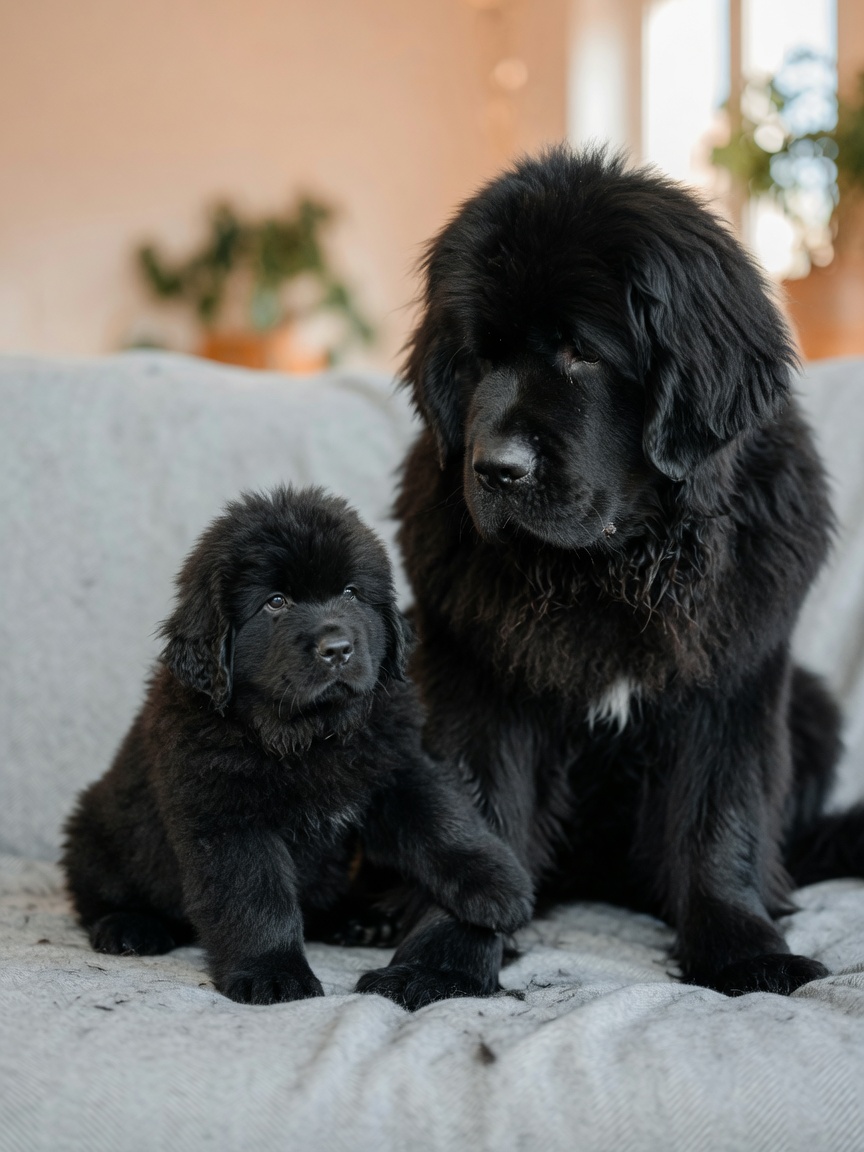
Newfoundland puppies grow remarkably quickly, which requires careful management to prevent developmental orthopedic disease. Here's what to expect:
- Birth to 8 weeks: Puppies grow most rapidly during this period, doubling their weight every few weeks
- 3 to 6 months: Growth continues at a steady pace; puppies may reach 40-50% of their adult weight
- 6 to 12 months: Growth rate slows slightly; puppies approach 80-90% of their adult size
- 12 to 18 months: Most Newfoundlands reach their full height by 12-15 months, though they continue to fill out and gain muscle until 18-24 months
- 2 to 3 years: Fully mature, with optimal muscle development and skeletal density
Factors Influencing Growth and Size
Several key factors determine how large your Newfoundland will become:
- Genetics: The size of both parents is the strongest predictor of adult size
- Nutrition: Appropriate large-breed puppy food supports healthy growth without excessive speed
- Exercise: Moderate, controlled activity supports proper bone development
- Overall health: Infections, parasites, or chronic illnesses can impact growth
- Sex: Males are naturally larger than females
Nutritional Considerations for Growing Newfoundlands
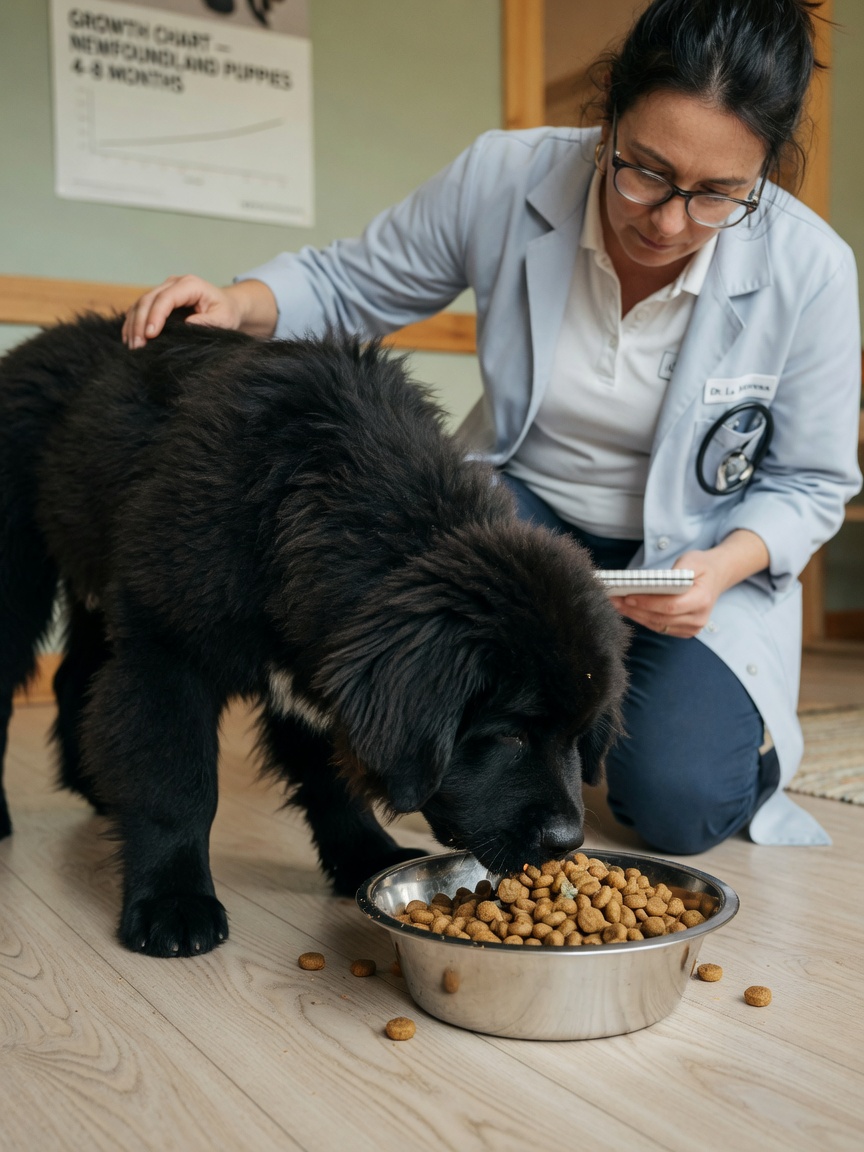
Feeding your Newfoundland puppy correctly is crucial for preventing joint problems and other growth-related complications. Large-breed puppies require specially formulated diets with controlled calcium and phosphorus levels. Avoid high-protein foods designed for smaller breeds, and resist the temptation to supplement with additional calcium—this can actually cause serious skeletal problems.
Work closely with your veterinarian or a certified animal nutritionist to develop a feeding plan appropriate for your puppy's age, weight, and individual needs. Monitor your puppy's body condition regularly rather than relying solely on weight scales.
Health Screening for Large Breeds
Because of their size, Newfoundlands are prone to certain health conditions. Regular veterinary check-ups during growth are essential, and reputable breeders will screen parent dogs for hip dysplasia, elbow dysplasia, and heart conditions using recognised health testing schemes.
Key Takeaways
Newfoundland dogs are magnificent giants that can weigh between 45 and 68 kilogrammes at maturity. Their growth is rapid but extended, with most reaching full adult size by 18-24 months. Proper nutrition, moderate exercise, and regular veterinary care during the growing period are essential for developing healthy, well-proportioned adults. By understanding your Newfoundland's growth patterns, you'll be better equipped to provide excellent care throughout their life.