
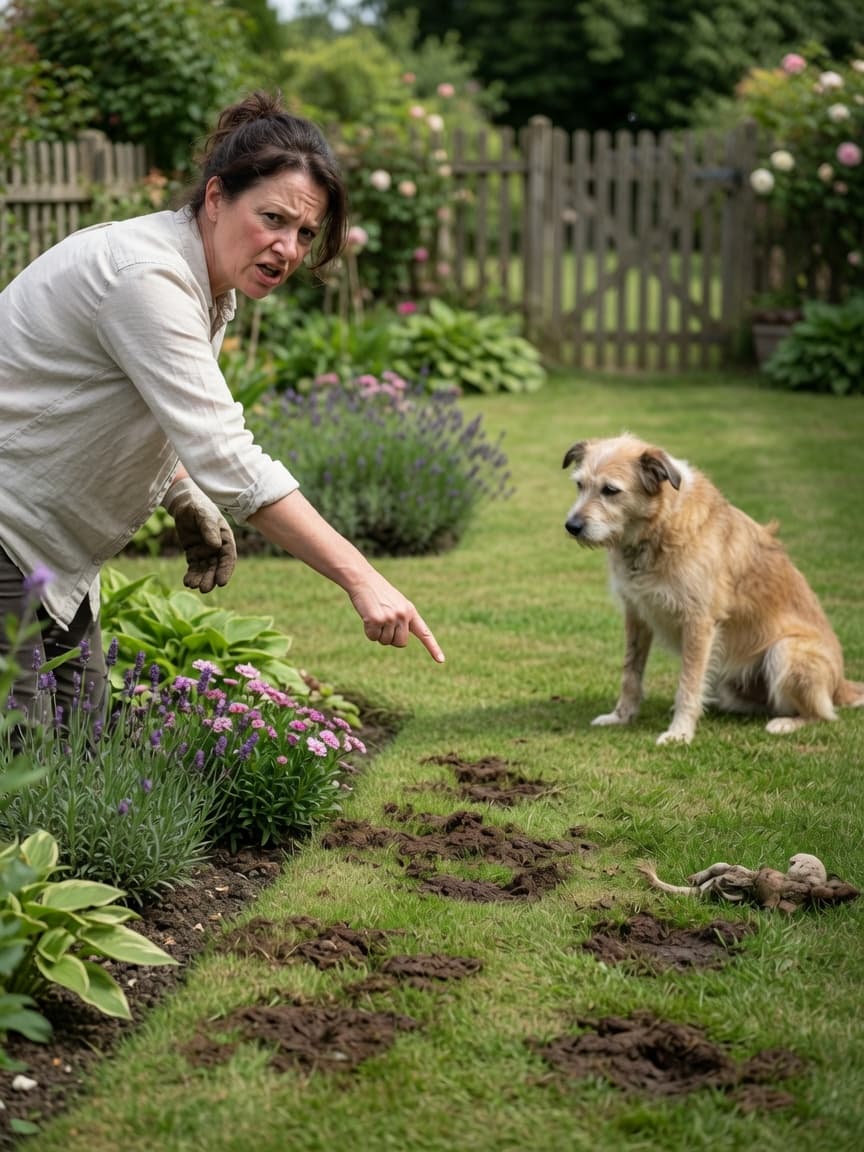
How Do I Stop Dogs From Fouling in My Garden? 7 Vet-Approved Tips
If you're a dog owner with a garden, you've likely faced the frustrating challenge of unwanted faeces ruining your outdoor space. Whether it's your own pet or neighbourhood dogs that are the culprits, fouling in gardens poses genuine health risks and creates an unpleasant environment for your family. The good news? This common problem has several practical, evidence-based solutions. As a veterinary nutritionist, I've helped countless pet owners reclaim their gardens whilst maintaining the wellbeing of their furry friends.
1. Ensure Proper Garden Boundaries and Fencing
The first line of defence is preventing unauthorised access. If neighbourhood dogs are the primary concern, invest in sturdy fencing at least 1.5 metres high. Ensure there are no gaps at ground level where dogs can squeeze through. For your own dog, secure fencing prevents them wandering and fouling elsewhere, then returning home. Check fencing regularly for damage and repair promptly.
2. Use Natural Deterrents Effectively
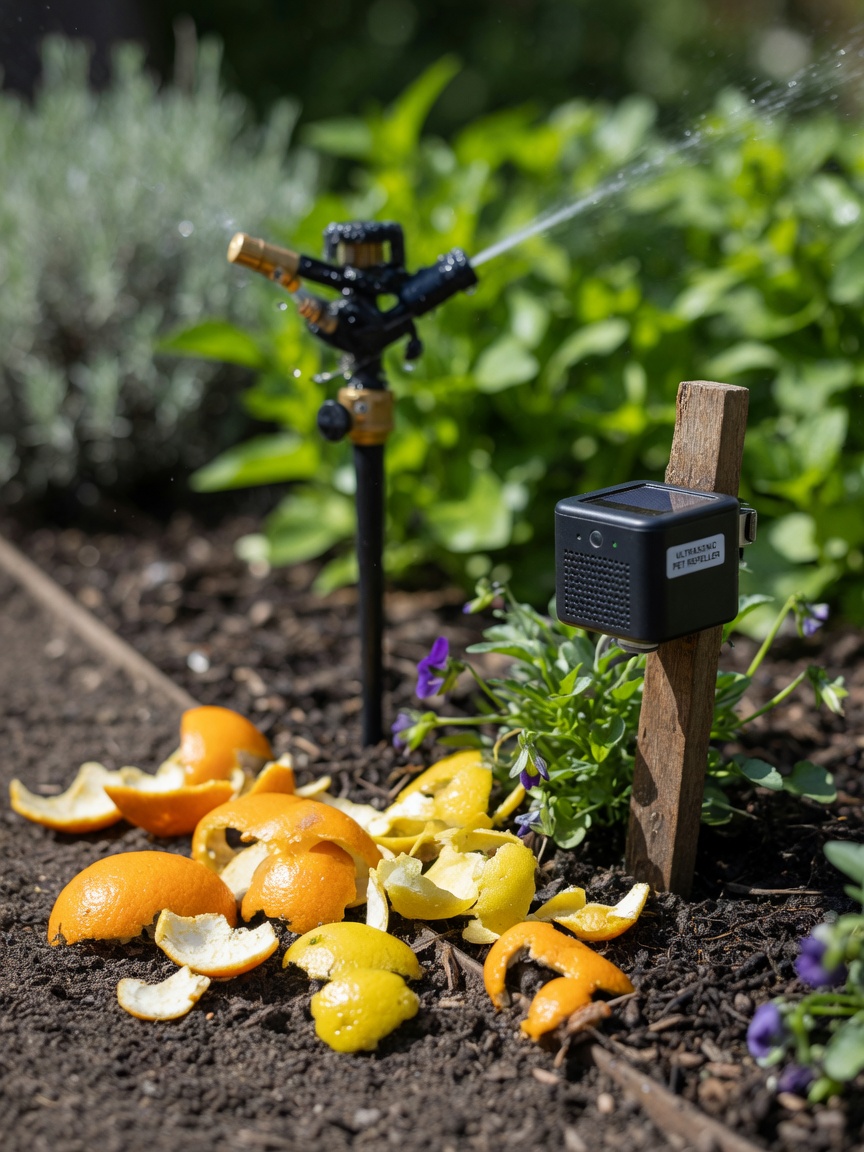
Several naturally occurring substances discourage dogs from fouling in specific areas:
- Citrus scents: Dogs dislike citrus smells. Scatter citrus peel or use diluted citrus-based sprays around garden borders
- Chilli powder: Capsicum-based products irritate dogs' sensitive noses without causing harm
- Motion-activated sprinklers: These startle dogs without injury, making the garden an unwelcoming toilet spot
- Ultrasonic devices: Emit high-frequency sounds unpleasant to dogs but inaudible to humans
3. Modify Your Dog's Diet
Diet significantly influences bowel habits. A high-quality, balanced diet promotes healthier digestion and more regulated toilet schedules. Consult your vet about:
- Appropriate fibre content for your dog's age and health status
- Digestive enzyme supplements if your dog has sensitive digestion
- Feeding schedules that encourage predictable toilet times
Avoid sudden diet changes, which can cause loose stools and unpredictable fouling patterns.
4. Establish a Consistent Toilet Routine
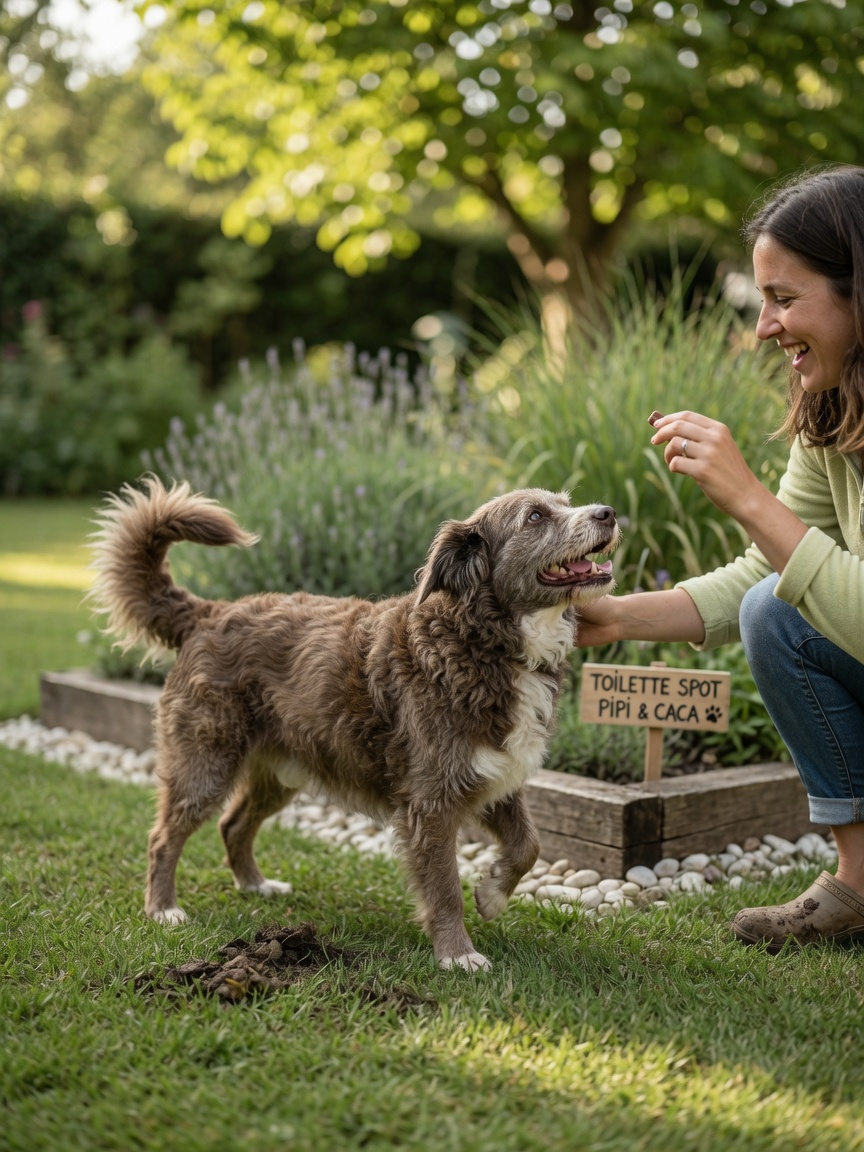
Dogs thrive on routine. Take your dog outside at set times—typically after waking, after meals, and before bedtime. Most dogs develop reliable toilet habits within 4-8 weeks with consistent scheduling. When your dog fouls in the designated area, reward immediately with praise or treats. This positive reinforcement teaches your dog where it's appropriate to go.
5. Clean Soiled Areas Thoroughly
If your dog has previously fouled in certain garden spots, they're likely to return there. Dogs recognise their own scent. Thoroughly clean affected areas with enzymatic cleaners that break down faecal matter completely. Regular hose-down and disinfection with pet-safe products removes scent markers that encourage repeat fouling.
6. Supervise Garden Time
Constant supervision allows you to intervene immediately when your dog shows signs of needing the toilet. Watch for sniffing, circling, or squatting. Direct them to your designated toilet area. Close supervision also prevents your dog from consuming faeces—a behaviour called coprophagia—which can indicate nutritional deficiencies or behavioural issues worth discussing with your vet.
7. Consult Your Veterinarian About Health Issues
Sudden changes in toilet habits, diarrhoea, or inappropriate fouling can indicate underlying health problems including intestinal parasites, dietary sensitivities, or medical conditions. If your previously housetrained dog suddenly fouls indoors or in the garden, schedule a veterinary check-up. Addressing health issues often resolves unwanted fouling immediately.
Key Takeaways
Preventing dogs from fouling in your garden requires a multi-faceted approach combining physical barriers, environmental deterrents, dietary optimisation, and consistent training. Most importantly, remain patient—changing established habits takes time. By combining supervision, routine establishment, and thorough cleaning with natural deterrents, you'll successfully protect your garden whilst maintaining your dog's health and happiness. When problems persist, your vet is your best resource for identifying underlying causes and tailored solutions.