
How Often Should You Bathe Your Dog? Vet Guidelines by Breed
Why Bathing Frequency Matters
Your dog's skin is protected by a thin layer of natural oils — called sebum — produced by sebaceous glands in the skin. These oils keep the coat shiny, the skin moisturized, and create a mild antimicrobial barrier. When you bathe your dog, you wash away some of these oils along with dirt, allergens, bacteria, and parasites. The key is striking the right balance: clean enough to maintain hygiene without disrupting the skin's protective ecosystem.
Overbathing — especially with harsh shampoos — is one of the most common grooming mistakes. Dogs bathed too frequently often develop dry, flaky skin, increased itching, and a dull coat. Underbathing, on the other hand, allows odor-causing bacteria to thrive, can worsen environmental allergies, and may allow parasites to go unnoticed.
How Coat Type Affects Bathing Frequency
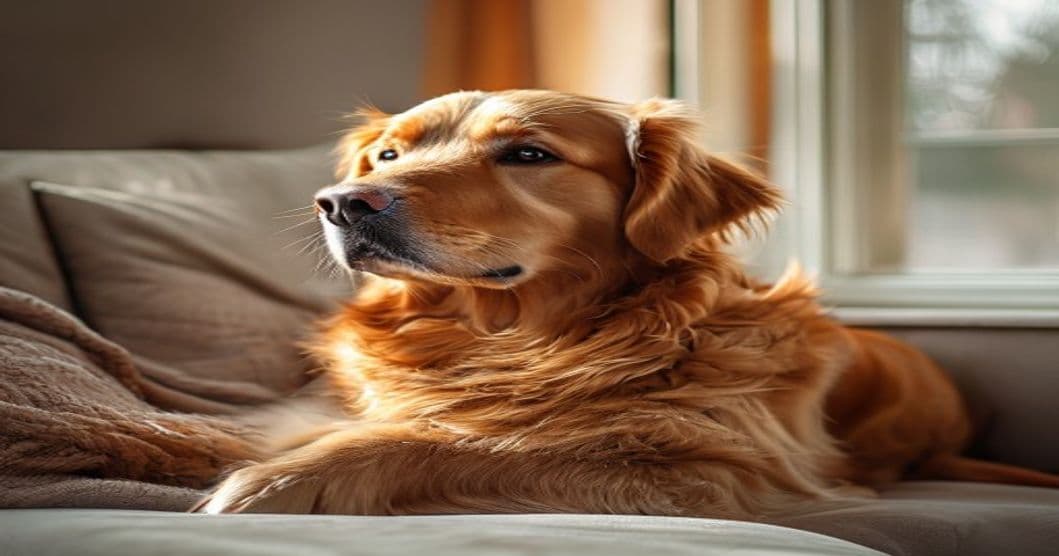
Double-coated breeds (like Huskies, Golden Retrievers, and German Shepherds) have a dense undercoat beneath a protective outer layer. This coat structure naturally repels water and dirt, meaning these dogs often need bathing less frequently — every 6–8 weeks is typically sufficient. However, during shedding season, more frequent baths combined with thorough brushing can help loosen and remove the undercoat efficiently.
Single-coated breeds with shorter hair (like Beagles, Boxers, and Dalmatians) have less natural insulation but also accumulate less debris. These dogs can often go 4–6 weeks between baths comfortably. Their shorter coats dry faster, which is a practical advantage.
Long-haired single-coated breeds (such as Yorkshire Terriers, Maltese, and Shih Tzus) have hair that grows continuously like human hair and tends to pick up dirt, debris, and odors more readily. These dogs may need bathing every 2–4 weeks, especially if their coat is kept long.
Curly and wavy-coated breeds (Poodles, Labradoodles, Portuguese Water Dogs) have coats that trap shed hair and can mat easily. Regular bathing every 3–4 weeks is typically recommended, always followed by thorough drying to prevent mold growth deep in the curls.
Hairless breeds (like Chinese Cresteds and Xoloitzcuintlis) lack the protective coat layer entirely. Their skin is directly exposed to environmental factors and sebum accumulates on the skin surface, making weekly or bi-weekly baths necessary to prevent clogged pores and skin infections. Use an extremely gentle, fragrance-free shampoo.
Breed-Specific Examples
- Labrador Retriever: Every 6–8 weeks. Water-repellent double coat. More frequent in summer if swimming.
- French Bulldog: Every 4–6 weeks, with special attention to cleaning facial skin folds weekly using a damp cloth.
- Border Collie: Every 6–8 weeks. Medium double coat; brush frequently between baths.
- Poodle (Standard): Every 3–4 weeks to prevent matting in the dense curly coat.
- Basset Hound: Every 2–4 weeks. Oily skin and pendulous ears make this breed odor-prone.
- Siberian Husky: Every 6–8 weeks. The double coat is remarkably self-cleaning; over-bathing disrupts insulation.
- Maltese: Every 2–3 weeks. Long silky single coat picks up everything.
Signs Your Dog Needs a Bath
Rather than sticking to a rigid calendar, learn to read your dog's cues. signs-cat-loves-you" title="12 signs-dog-is-happy" title="15 guide" title="Dog Cpr Guide">guide" title="Signs Dog Is Dying Guide">signs-your-cat-is-in-pain" title="Signs Your Cat Is In Pain">Signs Your Dog Is Genuinely Happy (Not Just Wagging)">signs-your-cat-is-in-pain" title="Signs Your Cat Is In Pain">Signs Your Cat Actually Loves You (Science-Backed)">Signs it's time for a bath include: a noticeable doggy odor, visible dirt or mud in the coat, increased scratching or itching (which can indicate allergen buildup on the skin), a dull or greasy-looking coat, or if your dog has been swimming in lakes or ponds where waterborne bacteria are present.
Conversely, if your dog was bathed recently and their skin appears red, flaky, or irritated, you may be bathing too frequently or using a product that doesn't suit their skin type.
Correct Bathing Technique
Proper technique makes bathing more effective and less stressful. Always brush the coat before bathing to remove loose hair and break up any minor tangles — wet mats are far harder to detangle than dry ones. Use lukewarm water (never hot) and wet the coat thoroughly before applying shampoo. Work the shampoo into a lather starting from the neck and moving toward the tail, being careful to avoid the eyes and ears. Rinse thoroughly — shampoo residue left on the skin is a common cause of irritation. A second rinse is rarely a bad idea. Dry with a towel and, for dense or curly coats, follow with a low-heat blow dryer to prevent moisture trapped near the skin.
Choosing the Right Shampoo
Never use human shampoo on dogs. Human skin has a pH of around 5.5 (acidic), while dog skin is closer to 7.0–7.5 (neutral). Human shampoos disrupt the canine skin barrier and can trigger irritation, dryness, or secondary infections. Choose a dog-specific shampoo formulated for your pet's needs: gentle oatmeal-based formulas for sensitive skin, moisturizing options for dry coats, medicated shampoos (under vet guidance) for dermatological conditions, and whitening or brightening formulas for light-coated breeds.
Overbathing Risks: When Clean Becomes a Problem
Bathing more than once a week (unless prescribed by a veterinarian for a skin condition) is generally counterproductive. Stripped sebum leads to a feedback loop where sebaceous glands overproduce oil to compensate, paradoxically making the coat greasier faster. Prolonged overbathing can alter the skin microbiome, reducing populations of beneficial commensal bacteria and leaving the skin more vulnerable to opportunistic pathogens like Staphylococcus pseudintermedius, a common cause of canine pyoderma.
Key Takeaways
- Most dogs do well with a bath every 4–6 weeks; coat type, breed, and lifestyle should guide the exact schedule.
- Double-coated breeds (Huskies, Goldens) need less frequent bathing; long-haired and hairless breeds need more.
- Always use a dog-specific pH-balanced shampoo — human shampoo disrupts the canine skin barrier.
- Overbathing strips natural oils and can trigger dry skin, itching, and increased susceptibility to infection.
- Brush before bathing and rinse thoroughly — shampoo residue is a leading cause of post-bath irritation.
References
- Hnilica KA, Patterson AP. Small Animal Dermatology: A Color Atlas and Therapeutic Guide. Elsevier; 2017. Review of canine skin physiology and grooming practices. PMID: 28915987
- Noli C, Colombo S. Advances in Veterinary Dermatology. Vol 8. Wiley-Blackwell; 2017. Sebaceous gland function and shampoo selection in canine dermatology. PMID: 29130487