
How to Become an Animal Rescue Transporter
If you're passionate about helping animals in need but aren't sure how to make a direct impact, animal rescue transportation might be the perfect way to contribute. Rescue transporters are the unsung heroes who move vulnerable animals from shelters, pounds, and rescue organisations to safety, new homes, or veterinary care. Whether you have a few hours monthly or are considering this as a regular commitment, becoming a rescue transporter is an accessible way to save lives whilst using your own vehicle and schedule.
Understanding the Role of a Rescue Transporter
Animal rescue transporters are volunteers or paid workers who transport animals across regions or countries, often moving them from overcrowded or dangerous situations to rescue organisations, foster homes, or adopters. This role is crucial because many animals cannot be rehomed locally and require long-distance transport to reach safety. Transporters might drive for a few hours or undertake longer journeys, depending on the network's needs.
Getting Started: Initial Steps
The first step is to research local and national animal rescue organisations that operate transport networks. Many established rescues have dedicated transport programmes with structured volunteer networks.
- Contact rescue organisations – Get in touch with shelters, breed-specific rescues, or national transport networks in your country
- Attend an orientation session – Most organisations require volunteers to understand protocols, animal handling, and safety procedures
- Complete necessary checks – You'll typically need to provide references and may be subject to background checks
- Familiarise yourself with requirements – Learn about insurance, vehicle specifications, and what animals you'll transport
Essential Requirements and Considerations
Before becoming a transporter, ensure you meet basic requirements:
- Valid driving licence and insured vehicle
- Clean driving record
- Reliable, well-maintained vehicle suitable for animal transport
- Flexible schedule and ability to commit to arranged journeys
- Patience and calm demeanour around stressed or frightened animals
- Good communication skills to coordinate with rescue staff and other volunteers
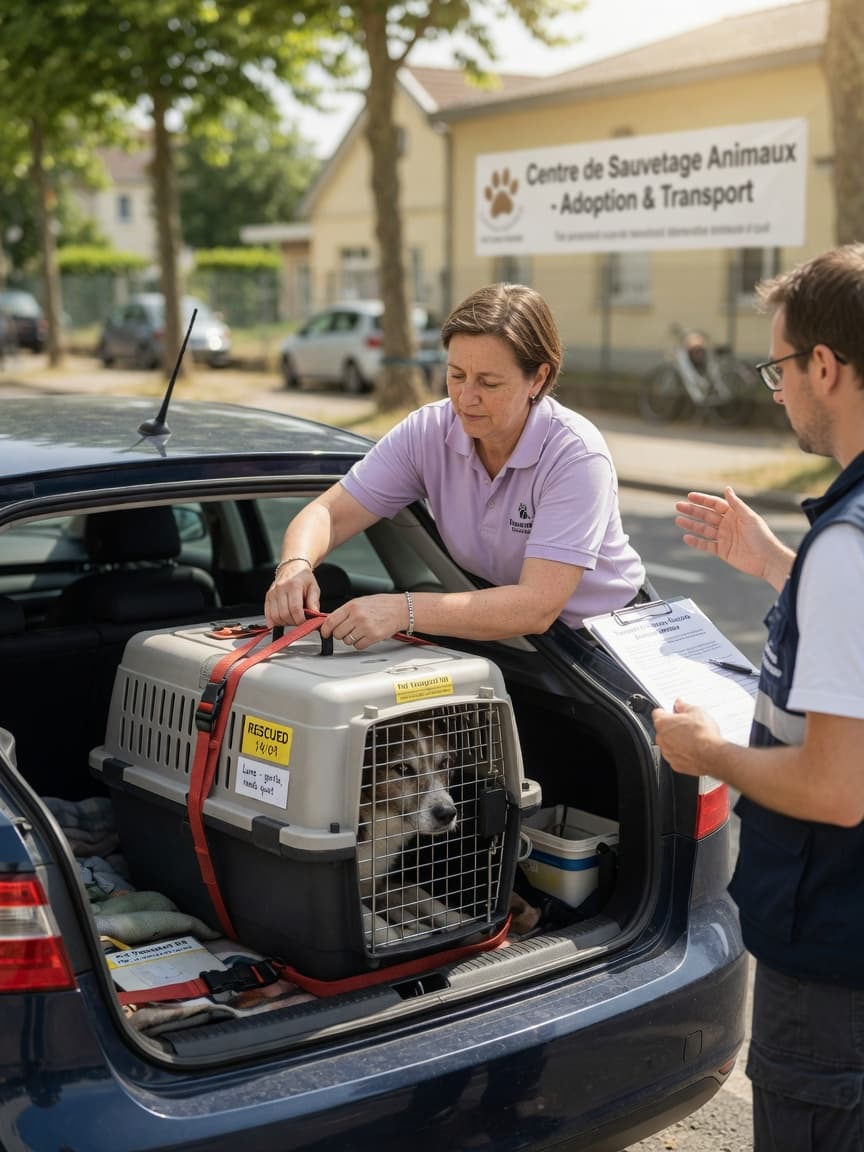
Many organisations require that your vehicle has adequate ventilation, temperature control, and proper containment systems. Some rescues provide guidance on vehicle preparation, including recommendations for pet carriers, crates, or travel barriers.
Training and Best Practices
Proper training is essential for animal welfare and your safety. Most rescue organisations provide comprehensive training covering:
- Recognising signs of stress, injury, or illness in animals
- Safe animal handling techniques
- Emergency protocols and contact information
- Documentation and record-keeping procedures
- Vehicle safety and proper animal restraint methods
- What to do if an animal escapes or becomes unwell during transport
Building Your Transport Network
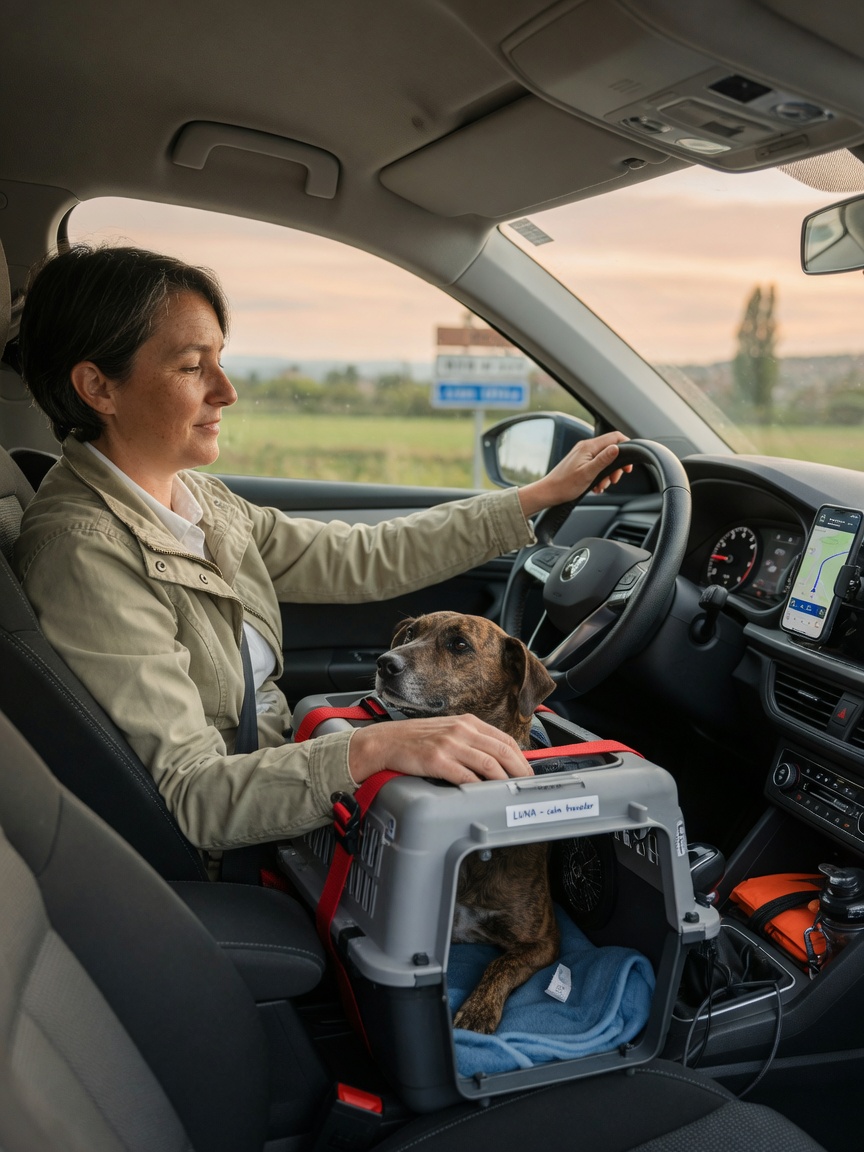
As you gain experience, you'll become part of a wider network of transporters, foster volunteers, and rescue staff. Effective communication is vital—most organisations use messaging apps or email to coordinate pickups and deliveries. Keep detailed records of each journey, noting the animal's condition, behaviour, and any concerns. This information helps rescue staff provide appropriate care at the destination.
Key Takeaways
Becoming an animal rescue transporter requires minimal specialised qualifications but demands responsibility, reliability, and genuine compassion for animals. Start by connecting with established rescue organisations, complete their training programme, and commit to understanding proper animal handling. With a suitable vehicle, valid insurance, and dedication to the cause, you can make a tangible difference in saving lives. Many transporters find the role deeply rewarding—knowing that your journey has delivered an animal to safety or to a loving home is invaluable. Whether you offer occasional assistance or regular transport services, rescue networks depend on committed volunteers like you to succeed.