

How to Bond With a Cat
Building a strong bond with your cat is one of the most rewarding aspects of cat ownership. Unlike dogs, cats are often perceived as aloof or independent, but this couldn't be further from the truth. Cats form deep emotional connections with their humans—they simply express affection differently. Whether you've just brought home a new kitten or you're looking to strengthen your relationship with an established feline companion, understanding feline communication and behaviour is the key to developing a lasting, meaningful bond.
Understand Your Cat's Communication Style
Cats communicate through a sophisticated system of vocalisations, body language, and scent marking. Learning to read these signals is fundamental to bonding. A slow blink from your cat is a kiss—slow blink back to show affection. Purring indicates contentment, whilst a raised tail signals confidence and friendliness. Conversely, flattened ears, a puffed tail, and hissing indicate fear or irritation.
Pay attention to your cat's unique personality. Some cats are chatty and vocal, whilst others prefer quiet companionship. Respecting their communication preferences demonstrates that you understand and value them as individuals.
Respect Your Cat's Independence
One of the biggest mistakes cat owners make is forcing interaction. Cats value autonomy and will bond more strongly when they feel in control of social situations. Allow your cat to approach you for cuddles rather than constantly pursuing them.
- Let your cat initiate contact when they choose
- Provide spaces where they can retreat and feel safe
- Avoid handling sensitive areas like paws and tail unless your cat enjoys it
- Recognise that bonding doesn't always mean constant physical contact
Engage in Interactive Play

Play is one of the most effective bonding activities with cats. Regular play sessions stimulate their hunting instincts and create positive associations with you as a source of enrichment and fun. Aim for 15-30 minutes of interactive play daily, using toys that mimic prey movements.
- Use wand toys or feather toys to encourage pouncing and chasing
- Vary toy types to maintain interest
- Play during times when your cat is naturally active (early morning and evening)
- End play sessions on a positive note before your cat becomes frustrated
Create a Routine and Provide Quality Time
Cats thrive on predictability. Establishing a consistent daily routine for feeding, play, and interaction helps your cat feel secure and strengthens your bond. Spend quiet time together—reading whilst your cat sits nearby, or simply being present in the same room. Many cats enjoy being in the same space as their humans without constant interaction.
Grooming and Physical Affection
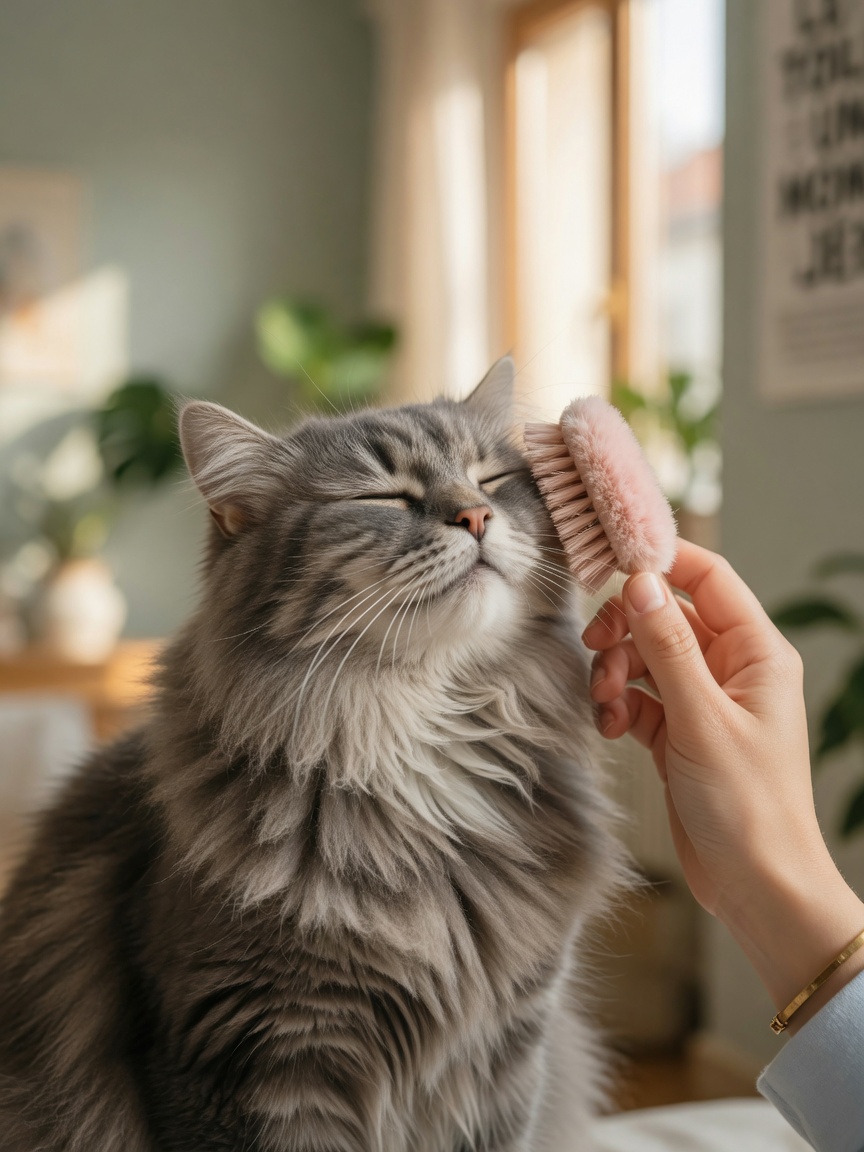
Gentle grooming is a powerful bonding activity. Most cats enjoy being brushed, especially around the head, cheeks, and chin. This mimics social grooming behaviour that cats perform with littermates. Start slowly with short sessions and observe your cat's response. Some cats also enjoy gentle head scratches or chin rubs—these areas contain scent glands, and your cat is literally marking you as part of their family.
Provide Enrichment and Trust
A bonded cat is a stimulated cat. Provide climbing structures, window perches, puzzle feeders, and toys that challenge their mind. When you help your cat feel secure, confident, and mentally satisfied, they naturally gravitate towards you as a source of safety and comfort.
Key Takeaways
- Respect your cat's independence and let them set the pace for interaction
- Learn to understand feline body language and communication
- Engage in regular, interactive play sessions
- Establish consistent routines and quiet companionship
- Use gentle grooming and appropriate physical affection
- Provide environmental enrichment for mental stimulation
Bonding with your cat is a journey built on mutual respect, understanding, and patience. By honouring their unique personality and communication style, you'll develop a deeply satisfying relationship that brings joy to both your lives for years to come.