
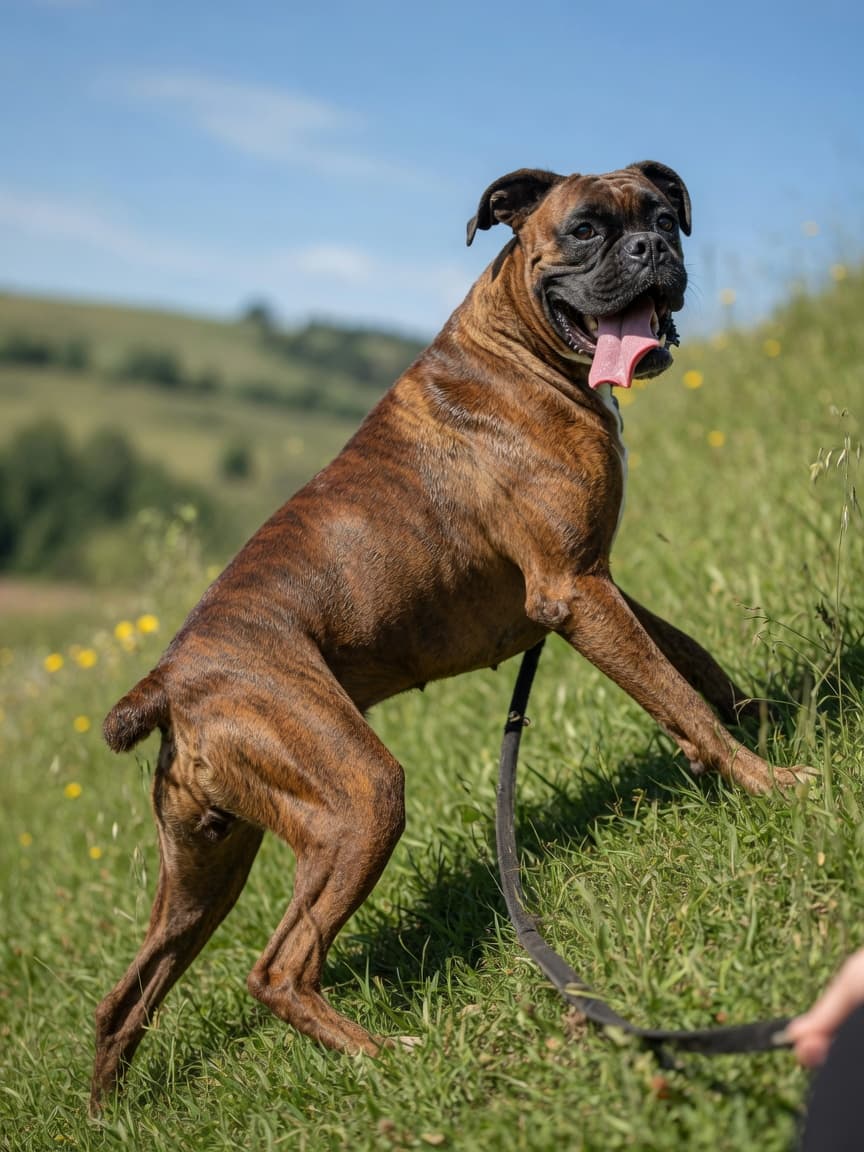
How to Build Muscle on a Dog With Food: 6 Vet Approved Tips
Building muscle on your dog isn't just about aesthetics—it's about creating a strong, healthy companion who can enjoy an active lifestyle well into their senior years. Whether you're conditioning a working dog, helping a recovering pup regain strength, or simply optimising your dog's physical fitness, nutrition plays a crucial role. As a certified animal nutritionist, I've seen remarkable transformations in dogs whose owners understood the fundamentals of muscle-building nutrition. The good news? With the right dietary approach and consistency, you can help your dog develop lean muscle mass naturally through food.
1. Prioritise High-Quality Protein Sources
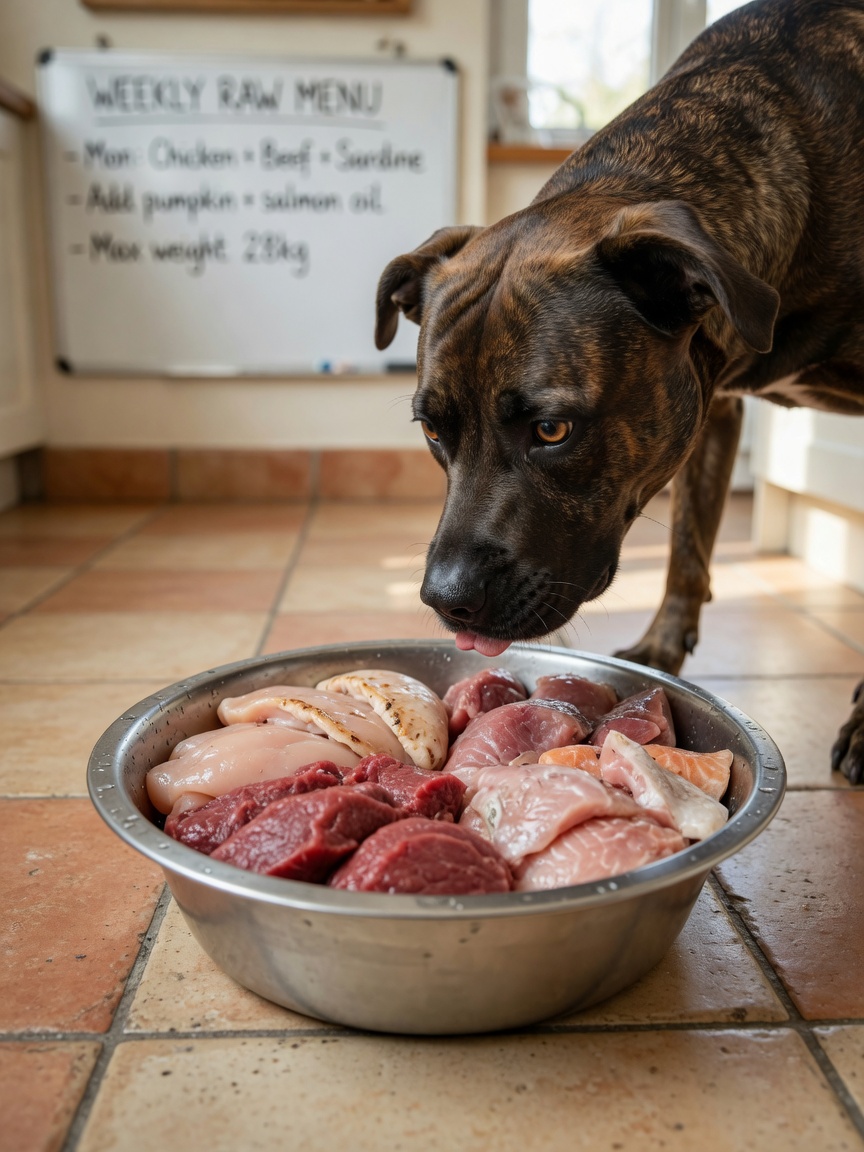
Protein is the building block of muscle, making it the cornerstone of any muscle-building programme. Dogs require amino acids from protein to repair and grow muscle tissue, particularly after exercise. Look for dog foods where protein sources are listed as the primary ingredients.
- Whole meat sources (chicken, beef, fish, lamb) are superior to meat by-products
- Aim for minimum 25-30% crude protein for adult dogs engaged in regular exercise
- Include diverse protein sources to ensure a complete amino acid profile
- Consider adding lean meats like chicken breast or turkey to their regular diet
2. Calculate the Right Caloric Intake
Building muscle requires energy, but overfeeding leads to fat rather than muscle development. Work with your veterinarian to determine your dog's ideal daily caloric intake based on their age, current weight, activity level, and metabolism. A moderately active dog building muscle typically needs 10-15% more calories than a sedentary dog of the same weight.
Track your dog's weight weekly and adjust portions accordingly. You should be able to feel their ribs easily but not see them prominently.
3. Include Essential Fats for Hormone Production
Healthy fats support hormone production, which is vital for muscle growth. Omega-3 and omega-6 fatty acids also reduce inflammation from exercise, promoting faster recovery.
- Fish oil supplements provide excellent omega-3 fatty acids
- Flaxseed and coconut oil are beneficial plant-based fat sources
- Aim for foods with fat content between 12-18% for active dogs
- Avoid excessive fat, which can lead to obesity and joint stress
4. Optimise Meal Timing Around Exercise
When your dog eats relative to exercise significantly impacts muscle development. Feed your dog a balanced meal containing quality protein and carbohydrates roughly 2-3 hours before exercise. After activity, provide protein and carbohydrates within 30-60 minutes to support muscle recovery and replenish energy stores.
5. Add Strategic Supplements
Whilst whole foods should form the foundation, certain supplements support muscle building:
- Glucosamine and chondroitin: Support joint health, allowing more comfortable exercise
- Creatine: May enhance muscle strength and endurance
- L-carnitine: Helps convert fat to energy
- Vitamin E and selenium: Antioxidants that reduce exercise-induced muscle damage
Always consult your vet before introducing supplements to ensure they're appropriate for your dog's health status.
6. Combine Nutrition With Progressive Exercise
Optimal nutrition without adequate exercise won't build muscle. Pair your dietary changes with a progressive exercise programme that includes resistance work, such as swimming, hill walking, or controlled strength training. Start gradually, especially if your dog is currently sedentary, to prevent injury.
Key Takeaways
Building muscle on your dog through food requires a multifaceted approach: prioritise high-quality protein, calculate appropriate calories, include healthy fats, time meals strategically around exercise, consider targeted supplements, and combine nutrition with progressive physical activity. Monitor your dog's progress monthly and adjust as needed. Most importantly, work alongside your veterinarian throughout this process to ensure your dog's individual health needs are met. With patience and consistency, you'll help your dog develop the strong, healthy physique that supports an active, fulfilling life.
```