
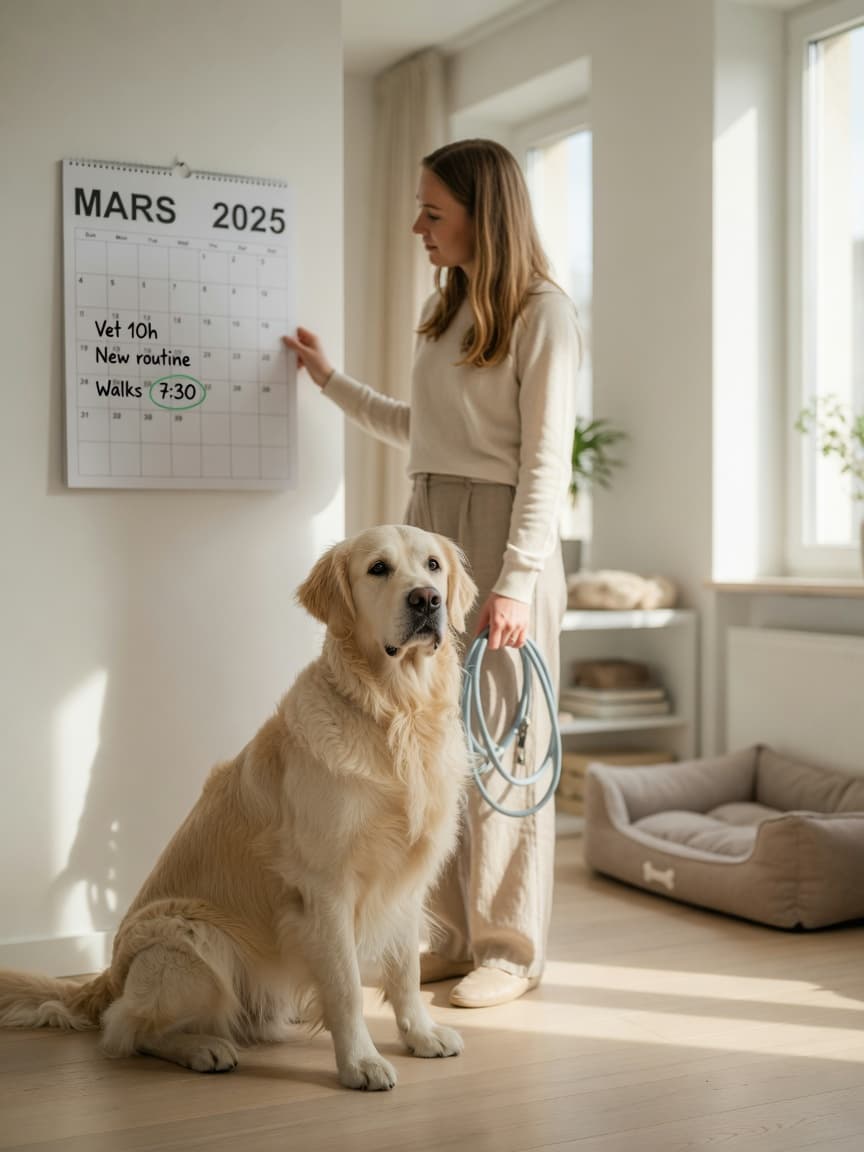
How to Change Your Dog's Routine
Dogs thrive on predictability. Their daily routines—feeding times, walks, playtime, and sleep schedules—form the foundation of their emotional security and physical wellbeing. However, life changes happen: new jobs, house moves, or shifting family circumstances often require adjusting your dog's established patterns. The key to successfully changing your dog's routine lies in understanding their need for stability whilst introducing changes gradually and thoughtfully. This guide will help you navigate transitions smoothly, minimising stress for both you and your furry companion.
Why Dogs Need Routine
Before making changes, it's important to understand why routine matters so much for dogs. A consistent schedule helps regulate their digestive system, reduces anxiety, and provides mental comfort. Dogs develop internal clocks that anticipate daily events—they know when the lead comes out or when dinner is served. Sudden disruptions to these patterns can trigger behavioural problems, including excessive barking, destructive behaviour, or house-training accidents in previously housetrained dogs.
Plan Your Changes Gradually
The golden rule of routine adjustment is gradualism. Rather than overhauling your dog's entire schedule at once, introduce changes in small, manageable increments over several weeks.
- Shift feeding times by 15-30 minutes every few days until you reach your target time
- Gradually extend or reduce walk duration by 5-10 minutes weekly
- Introduce new activity schedules during low-stress periods in your dog's day
- Keep one or two familiar elements consistent whilst adjusting others
Common Routine Changes and How to Handle Them
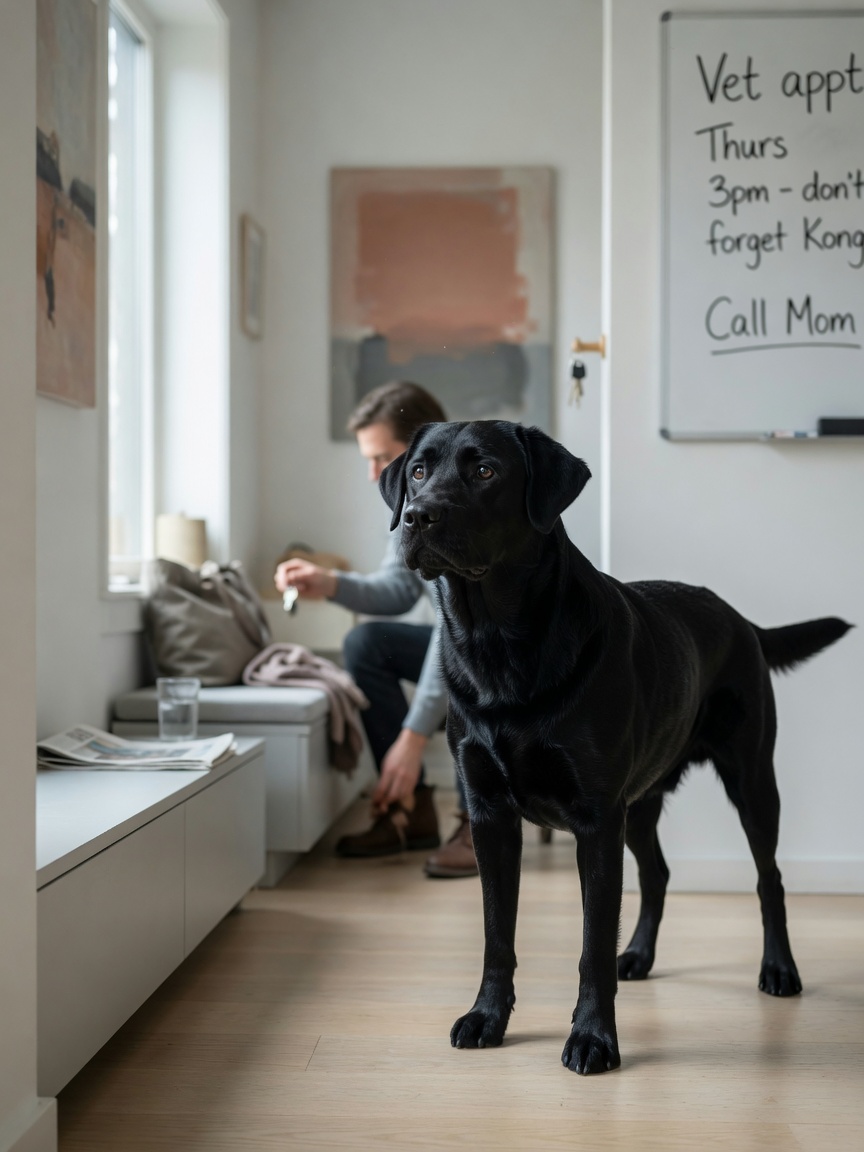
Working Hours Changes
If you're returning to the office after working from home, your dog may experience separation anxiety. Begin by spending short periods away from your dog several weeks before the change. Gradually increase these absences, practising your departure routine (putting on shoes, grabbing keys) without actually leaving. Consider hiring a dog walker or pet sitter for midday visits during the transition period.
Feeding Schedule Adjustments
Most dogs adapt well to feeding time changes when transitioned properly. Shift mealtimes gradually whilst maintaining portion sizes. Monitor your dog's appetite and toilet habits during adjustment; these are good indicators that your dog is coping well.
Exercise Routine Modifications
Changes to walk timing or duration should happen incrementally. If you're reducing exercise (perhaps due to your own health constraints), decrease activity levels by 10-15% weekly rather than making drastic cuts. Conversely, if increasing exercise, build up gradually to prevent injury and exhaustion in unfit dogs.
Signs Your Dog is Struggling with Change
Watch for these indicators that your dog needs more time adjusting:
- Changes in appetite or eating habits
- Excessive panting, whining, or barking
- House-training accidents
- Destructive behaviour or excessive chewing
- Withdrawn behaviour or reluctance to engage in activities they previously enjoyed
- Sleep disturbances
If these signs persist beyond two weeks, consult your vet to rule out underlying health issues and discuss strategies for anxiety management.
Creating Stability During Transitions
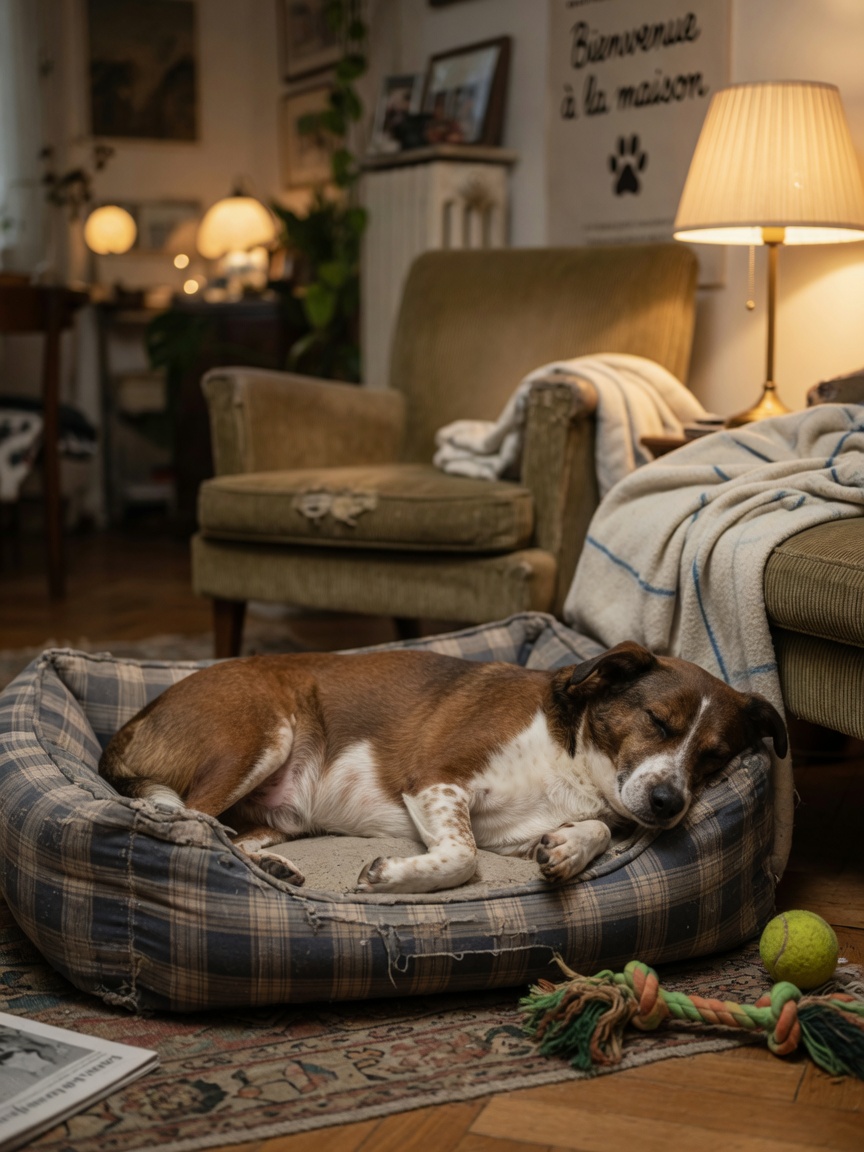
Maintain consistency in other areas whilst adjusting your primary routine change. Keep familiar toys, bedding, and play activities the same. Maintain your interaction style and training methods. Consider introducing calming supplements containing L-theanine or valerian root, though discuss this with your vet first. Consistent positive reinforcement—rewarding calm behaviour during transitions—helps your dog associate change with good things.
Key Takeaways
Successfully changing your dog's routine requires patience, planning, and understanding. Introduce changes gradually over several weeks, make one major adjustment at a time when possible, and monitor your dog's physical and emotional responses closely. Remember that every dog adapts at their own pace—some adjust within days, whilst others need several weeks. By respecting your dog's need for stability whilst gently guiding them toward new patterns, you'll build resilience and confidence that helps them navigate life's changes with calm acceptance.