
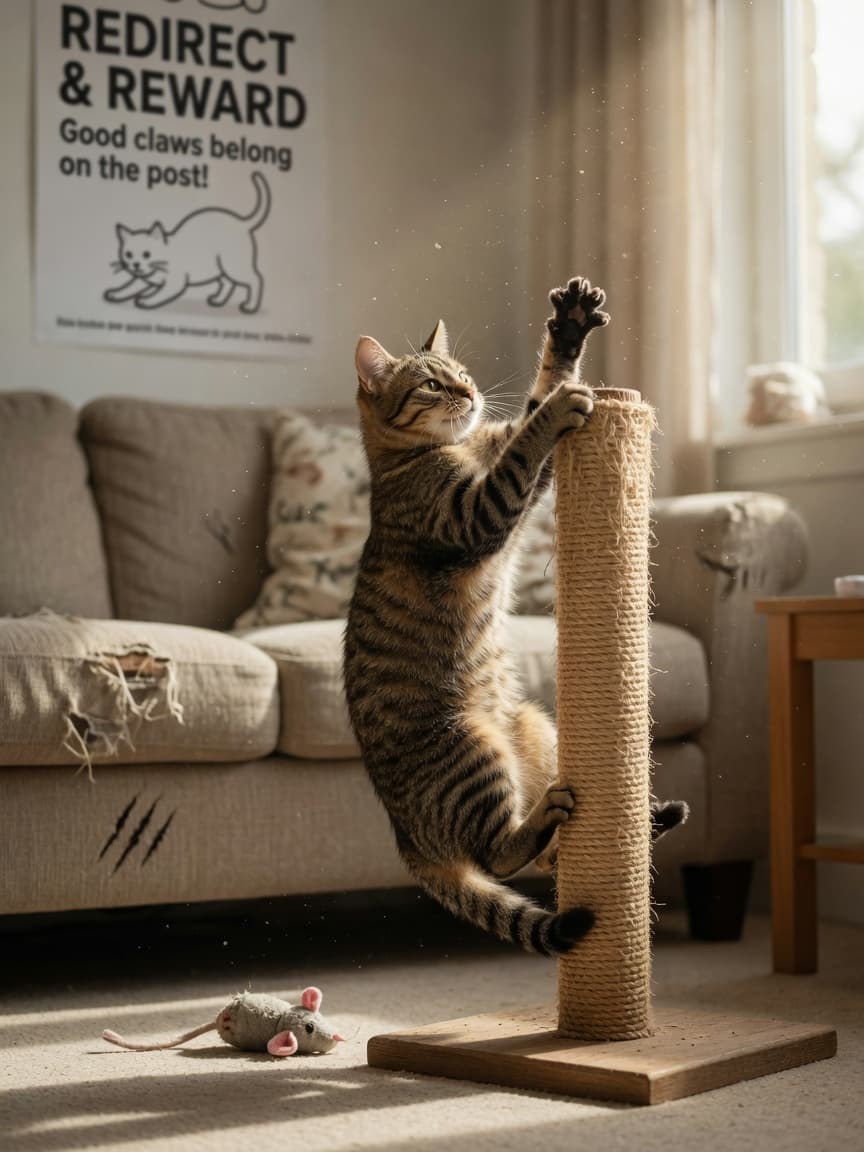
How to Discipline a Cat Properly
Cats have a reputation for being independent and stubborn, but the truth is far more nuanced. Unlike dogs, cats don't respond well to traditional punishment-based discipline. Instead, they thrive on understanding boundaries through positive reinforcement, environmental management, and gentle redirection. If you've been struggling with behavioural issues—from scratching furniture to inappropriate toileting—this guide will help you establish a harmonious relationship with your feline companion whilst maintaining your home's integrity.
Understanding Why Cats Behave the Way They Do
Before addressing discipline, it's essential to recognise that cats don't misbehave out of spite or defiance. Their behaviours stem from instinct, environmental stress, or unmet needs. Scratching isn't destructive—it's a natural behaviour for marking territory and maintaining claw health. Inappropriate elimination might indicate a medical issue or litter box dissatisfaction. When you understand the "why" behind your cat's actions, you can address the root cause rather than simply punishing the symptom.
The Ineffectiveness of Traditional Punishment
Yelling, hitting, or using water sprays might seem to work momentarily, but these methods damage trust and can increase anxiety and aggression. Cats don't make the connection between punishment and behaviour the way we might hope—they simply learn to fear you or hide their behaviour. Research in feline behaviour consistently shows that punishment-based techniques are counterproductive and can lead to stress-related health problems, including urinary issues and over-grooming.
Effective Discipline Strategies That Actually Work
Environmental Management
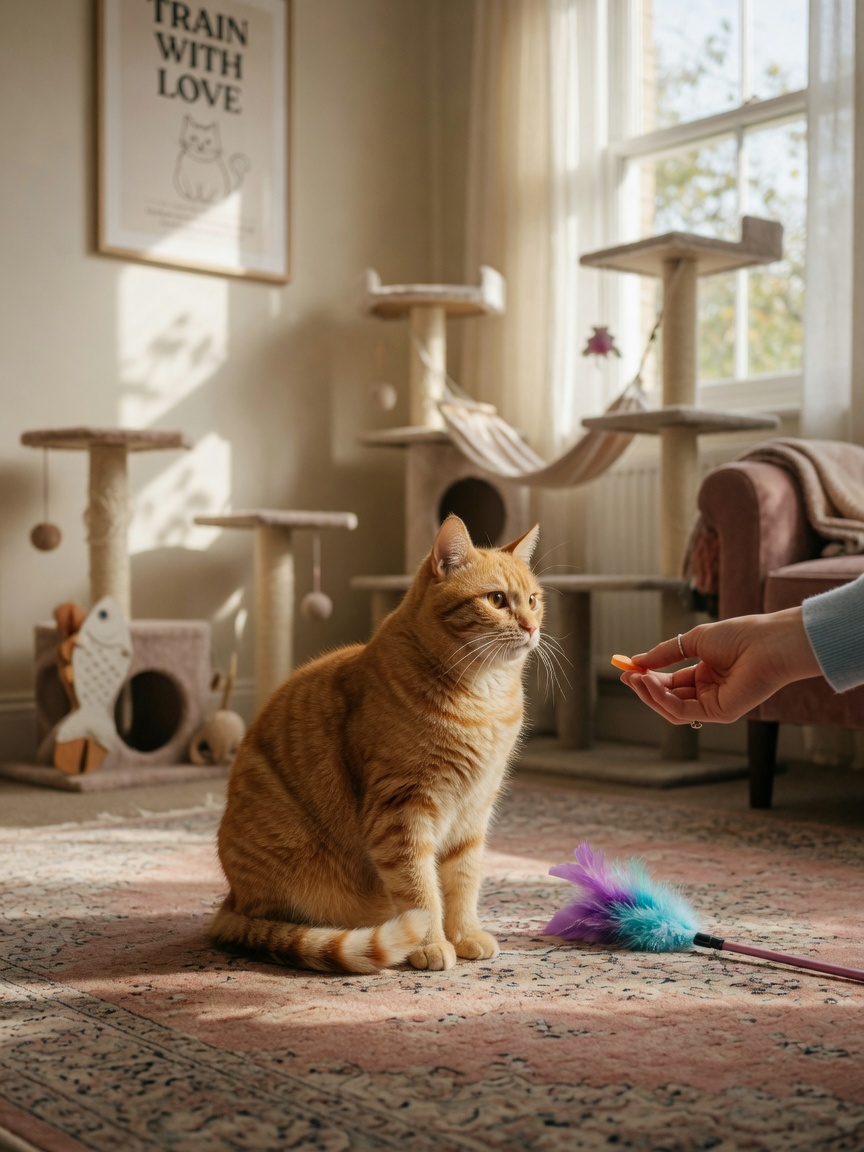
The most effective "discipline" is prevention through environmental modification:
- Provide multiple scratching posts and pads in preferred locations
- Use furniture covers or double-sided tape on surfaces you want to protect
- Ensure litter boxes are clean, accessible, and placed away from food and water
- Create vertical spaces with cat trees to reduce territorial stress
Positive Reinforcement
Reward desired behaviours immediately with treats, praise, or play. If your cat uses the scratching post instead of your sofa, offer treats and attention. This positive association encourages repetition far more effectively than any punitive measure.
Redirecting Unwanted Behaviour
When you catch your cat misbehaving, calmly redirect their attention to an appropriate activity. Moving them gently to their scratching post or playing with a toy interrupts the behaviour without creating fear or anxiety.
Using Deterrents Wisely
Motion-activated air sprays or sticky tape work through discomfort avoidance rather than fear of you. These can be effective, but they should complement, not replace, proper environmental setup and positive reinforcement.
Addressing Specific Behavioural Issues
Scratching furniture: Ensure scratching posts are tall enough, sturdy, and positioned near areas where your cat likes to scratch.
Biting or aggressive play: End play sessions if biting occurs. Redirect to toys rather than your hands, and ensure your cat receives enough interactive play daily.
Inappropriate toileting: Consult your vet first to rule out medical issues, then increase litter boxes (one per cat plus one extra) and ensure they're cleaned daily.
Consistency and Patience Are Key
Establishing good habits takes time. All family members must respond consistently to behaviours, reinforcing the same boundaries and rewards. Patience is essential—cats learn through experience, not words, and changing established patterns requires weeks or months of consistent effort.
Key Takeaways
- Never use punishment-based discipline; it damages trust and doesn't work
- Address the root cause of unwanted behaviour through environmental management
- Use positive reinforcement to encourage desired behaviours
- Be consistent across all family members
- Consult your vet if behavioural issues persist or suddenly appear
- Remember that "discipline" for cats is really about guidance and creating an environment where good choices are easier
By shifting your perspective from punishment to understanding, you'll develop a deeper bond with your cat whilst effectively managing any behavioural challenges. Your feline friend will thank you with affection, trust, and far fewer destructive incidents.