
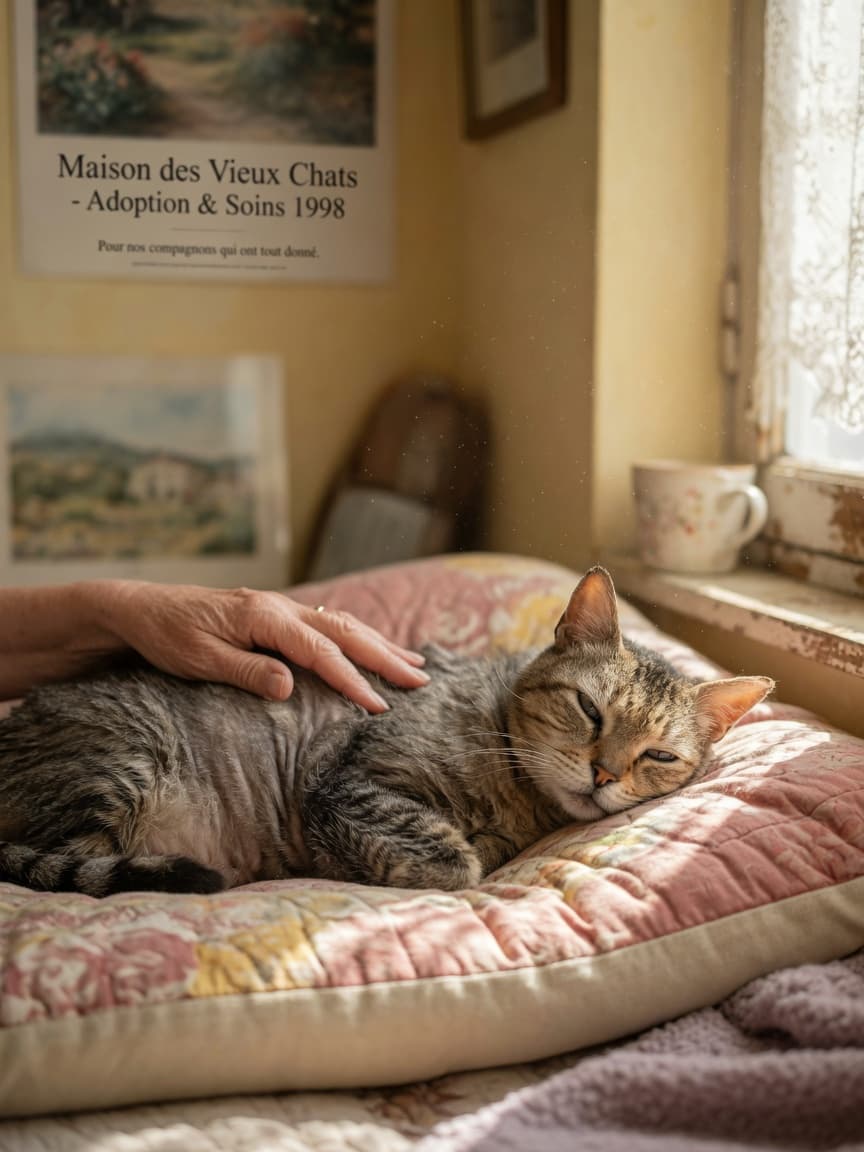
How to Help Your Aging Cat
Watching your beloved feline companion enter their senior years can feel bittersweet. Cats are living longer than ever before, with many reaching well into their late teens or even early twenties. However, this extended lifespan means we need to adapt our care approach to support their changing health needs. Understanding what to expect and how to respond can make these golden years comfortable, dignified, and filled with quality time together.
Recognising the Signs of Aging
The first step in supporting your aging cat is recognising the typical changes that occur as they get older. Most cats are considered senior from around age 11 onwards, though this can vary depending on their overall health and genetics.
- Reduced activity levels and increased sleeping (up to 20 hours daily)
- Changes in appetite or water consumption
- Weight loss or difficulty maintaining weight
- Coat changes, including thinning or dullness
- Cognitive changes, such as disorientation or altered sleep patterns
- Decreased mobility and stiffness, particularly after resting
- Behavioural changes or increased vocalisations
Nutrition and Hydration
Proper nutrition becomes increasingly important as cats age. Senior cats often have different metabolic requirements and may struggle with dental problems that affect their ability to eat.
- Choose appropriate food: Senior cat formulas are designed with lower calories but higher quality proteins to maintain muscle mass
- Consider texture: Wet or softened food is easier for cats with dental issues or reduced appetite
- Increase water access: Place multiple water bowls around your home and consider a cat water fountain to encourage drinking
- Feed smaller, frequent meals: This is gentler on the digestive system and helps maintain interest in food
- Monitor weight: Regular weigh-ins help catch nutritional problems early
Pain Management and Mobility
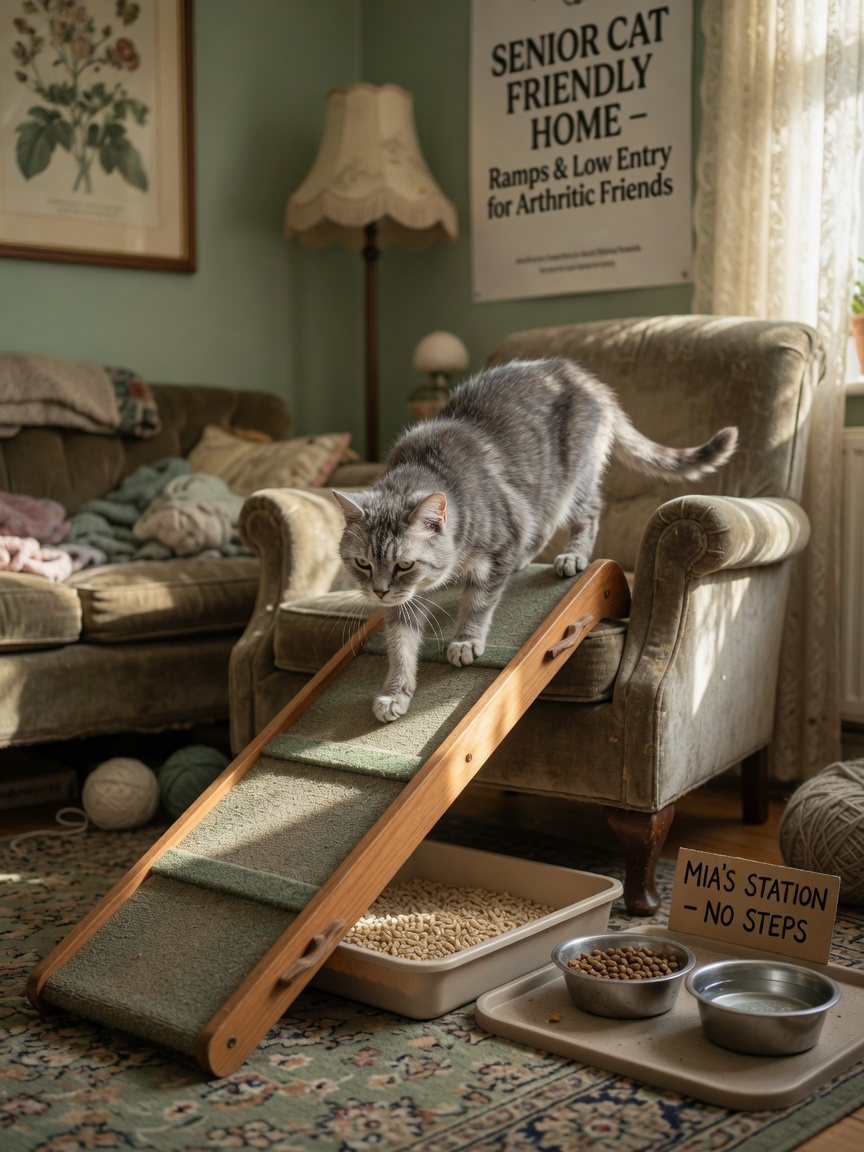
Arthritis and joint stiffness are common in senior cats, though they often hide their discomfort. Creating an environment that accommodates reduced mobility is essential.
- Provide low-sided litter trays to reduce strain on joints
- Use ramps or steps to help cats access favourite perches or furniture
- Keep food, water, and litter trays on the same level to minimise climbing
- Maintain warm, draught-free sleeping areas with soft, supportive bedding
- Discuss pain relief options with your vet, including anti-inflammatory medications when appropriate
- Gentle play and movement help maintain flexibility and muscle tone
Regular Veterinary Care
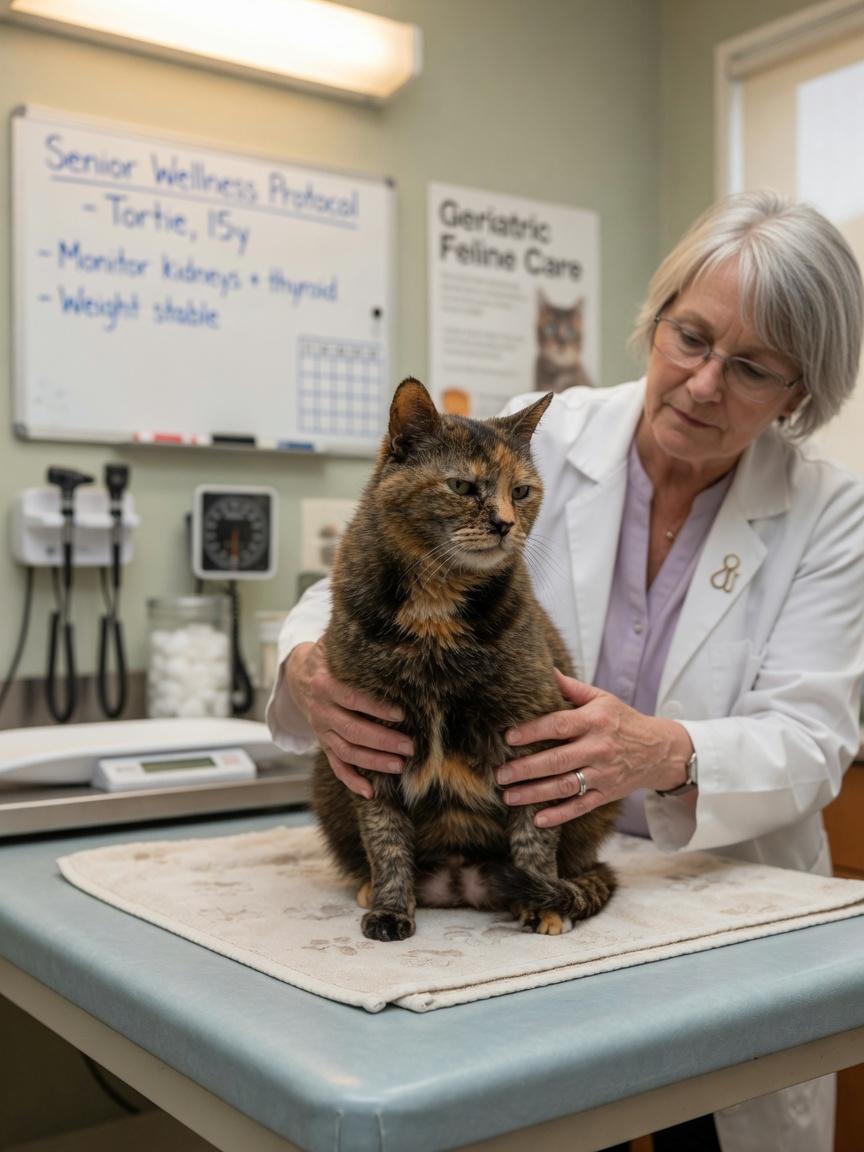
Senior cats benefit from more frequent vet visits than their younger counterparts. Twice-yearly check-ups are recommended for cats over 11 years old, allowing early detection of common age-related conditions such as kidney disease, hyperthyroidism, and diabetes.
- Schedule regular blood work and urinalysis
- Discuss any behavioural or physical changes with your vet
- Maintain dental health through regular checks and professional cleaning if needed
- Keep vaccinations current as appropriate for senior cats
Cognitive and Environmental Support
Some senior cats experience cognitive decline similar to dementia in humans. Maintaining mental stimulation and environmental consistency helps.
- Keep routines consistent and predictable
- Provide gentle enrichment such as window perches for bird watching
- Use familiar bedding and maintain the home layout
- Provide quiet spaces where your cat can retreat undisturbed
- Offer companionship on their terms—senior cats often appreciate quiet time near their owners
Key Takeaways
Supporting an aging cat requires patience, observation, and proactive healthcare. By adapting their environment, monitoring their nutrition, managing pain, and maintaining regular vet contact, you can help ensure your senior companion enjoys a comfortable, happy life in their final years. Every cat ages differently, so work closely with your veterinary team to create a personalised care plan that best suits your individual feline friend.