
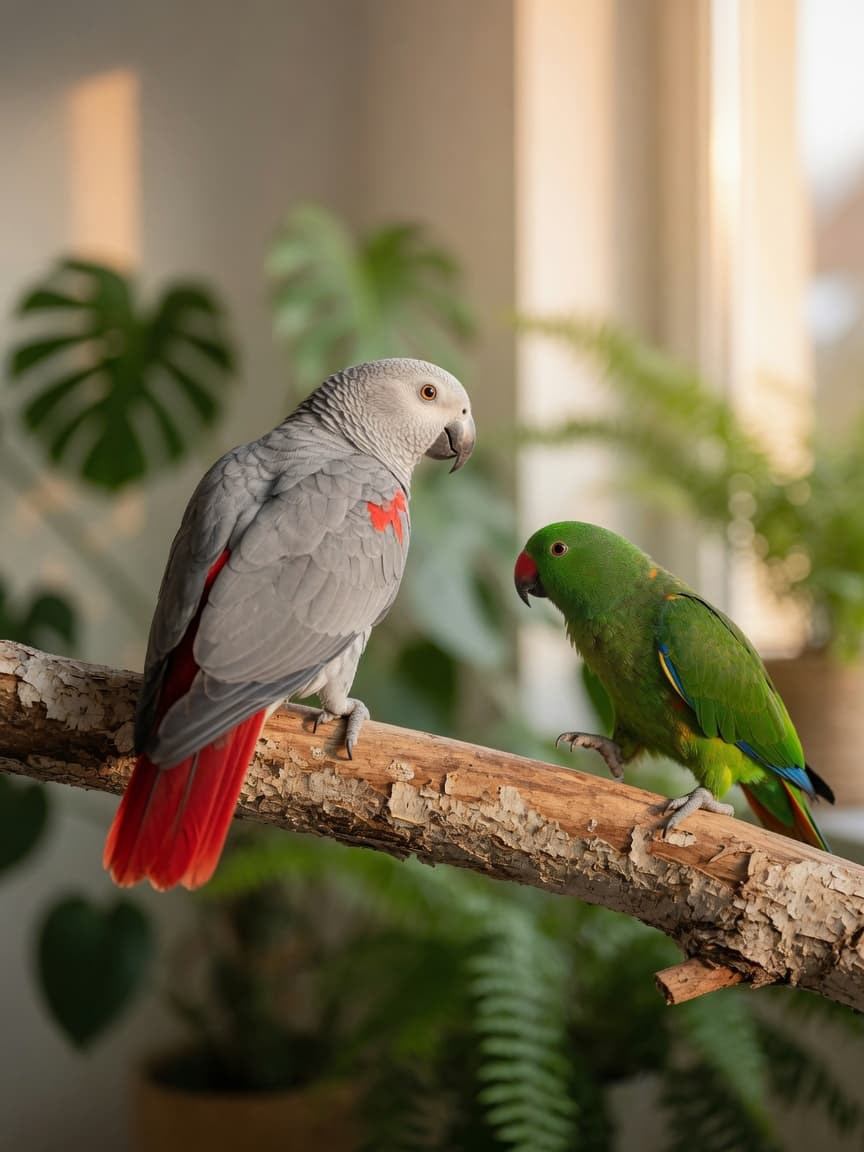
How to Introduce a New Bird to Your Parrot
Introducing a new bird to your existing parrot can be an exciting but delicate process. Whether you're adding a companion to reduce loneliness or expanding your feathered family, careful planning and patience are essential to ensure both birds remain safe, healthy, and happy. This comprehensive guide will walk you through the process of introducing birds successfully, minimising stress, and preventing territorial aggression.
Assess Compatibility Before Introduction
Before bringing a new bird home, it's crucial to consider whether your current parrot is suited to having a companion. Not all parrots are social birds. Some species, particularly larger parrots like African Grey Parrots and Macaws, can be territorial and aggressive towards newcomers. Consider your parrot's age, temperament, previous social experiences, and species characteristics.
- Research whether your parrot's species naturally lives in pairs or flocks in the wild
- Assess your current bird's behaviour around other animals
- Consider introducing birds of the same species or compatible species
- Consult your avian veterinarian before proceeding
Prepare Separate Living Spaces
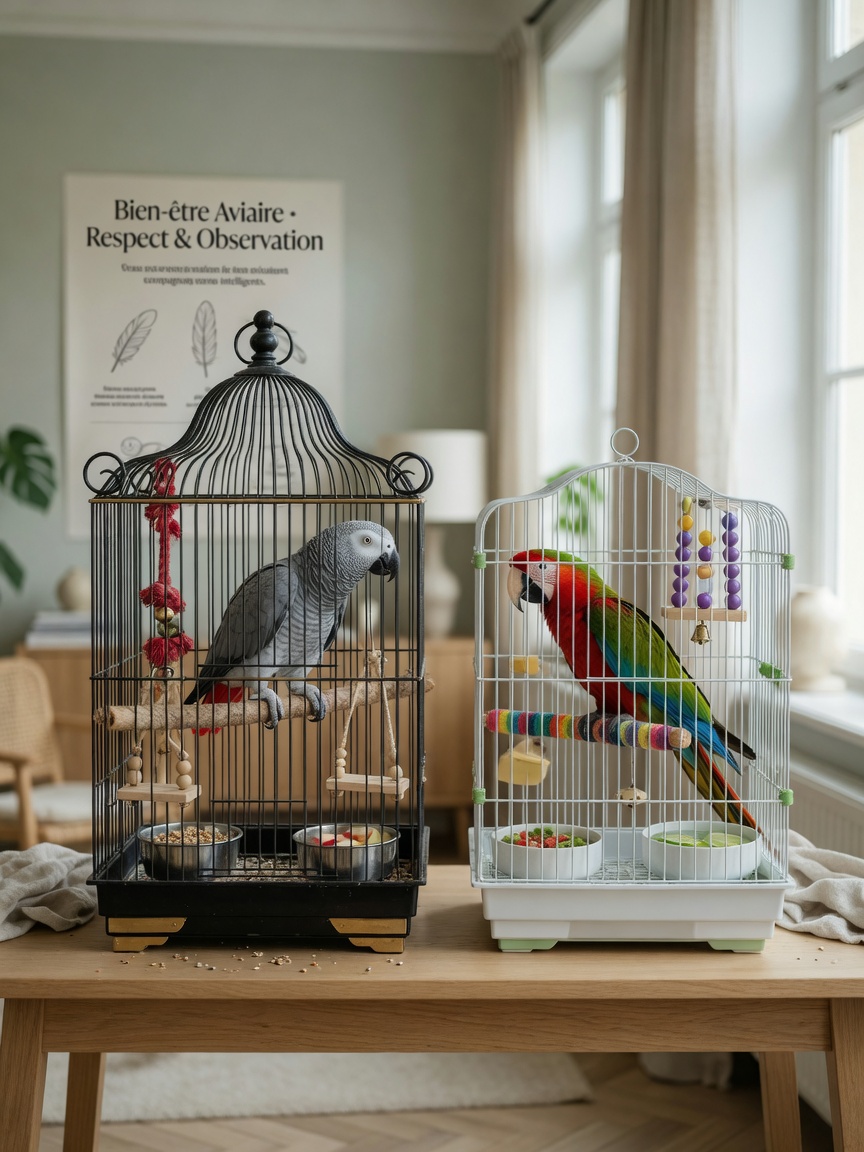
The first weeks are critical. Both birds need their own cage, perches, toys, food bowls, and water stations. This prevents competition for resources and allows them to establish their own territory. Place the cages near each other but ensure they cannot physically touch or harm one another.
- Set up the new bird's cage in a quiet room initially
- Allow both birds to adjust to each other's presence visually for 2-3 weeks
- Ensure each cage meets the minimum space requirements for its occupant
- Provide identical resources to avoid competition and jealousy
Gradual Visual and Auditory Familiarisation
During the first phase, let your birds become accustomed to each other's sounds and appearance. Your established parrot may react with curiosity, indifference, or aggression. Monitor their body language carefully. Raised feathers, lunging, or loud vocalisations may indicate stress or territorial behaviour.
Move the new bird's cage gradually closer to your resident parrot's space over several weeks. Spend equal time with both birds to prevent jealousy. Offer treats and positive reinforcement when they remain calm near each other.
Supervised Neutral Territory Meeting
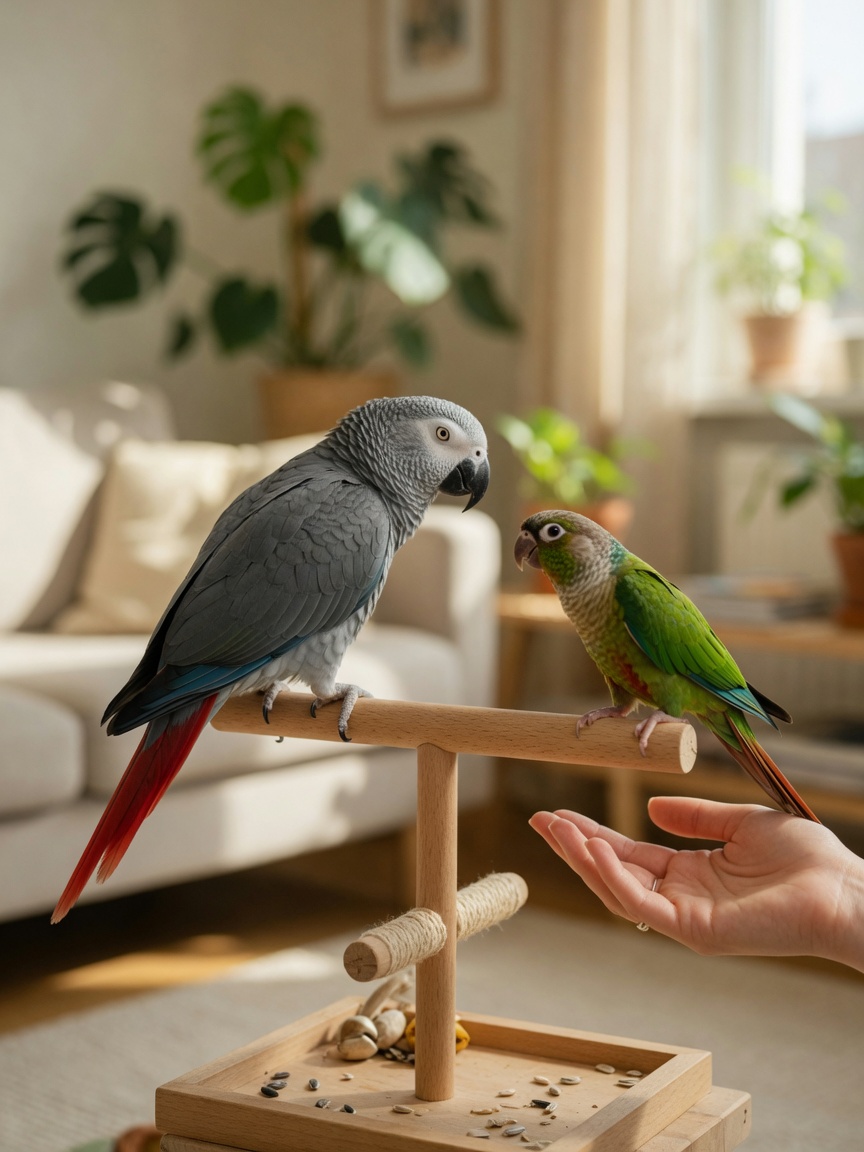
Once both birds seem comfortable with each other's presence, arrange supervised meetings on neutral ground—a play stand or separate room neither bird considers their territory. Keep these sessions short initially, around 10-15 minutes, and always supervise closely.
Watch for signs of positive interaction such as gentle head bobbing, mutual preening, or peaceful cohabitation. If aggression occurs, separate them immediately and extend the preparation period before trying again.
Gradual Integration into Shared Space
If neutral territory meetings go well, you can gradually increase the time spent together. Maintain separate cages for sleeping and security. Many parrot owners find that their birds may coexist peacefully during the day but prefer separate accommodations at night, which is perfectly acceptable and often healthier.
Increase shared time incrementally over weeks or months. Some pairings work immediately, whilst others require several months of patience. Never force birds together if tension remains high.
Monitor Health and Behaviour
Introducing a new bird can cause stress for both animals. Stress weakens the immune system, making birds susceptible to illness. Ensure your new bird has been health-screened by an avian veterinarian before introduction. Watch for signs of stress including decreased appetite, feather plucking, or changes in behaviour.
- Schedule a health check for the new bird immediately
- Quarantine the new bird from other pets initially
- Monitor both birds' eating and drinking habits
- Observe changes in social behaviour or personality
Key Takeaways
Successful bird introductions require time, patience, and careful observation. There's no fixed timeline—each pairing is unique. Prioritise your birds' safety and wellbeing above convenience, and don't hesitate to consult your avian veterinarian if you have concerns. With proper preparation and realistic expectations, your feathered companions may develop a rewarding companionship.