
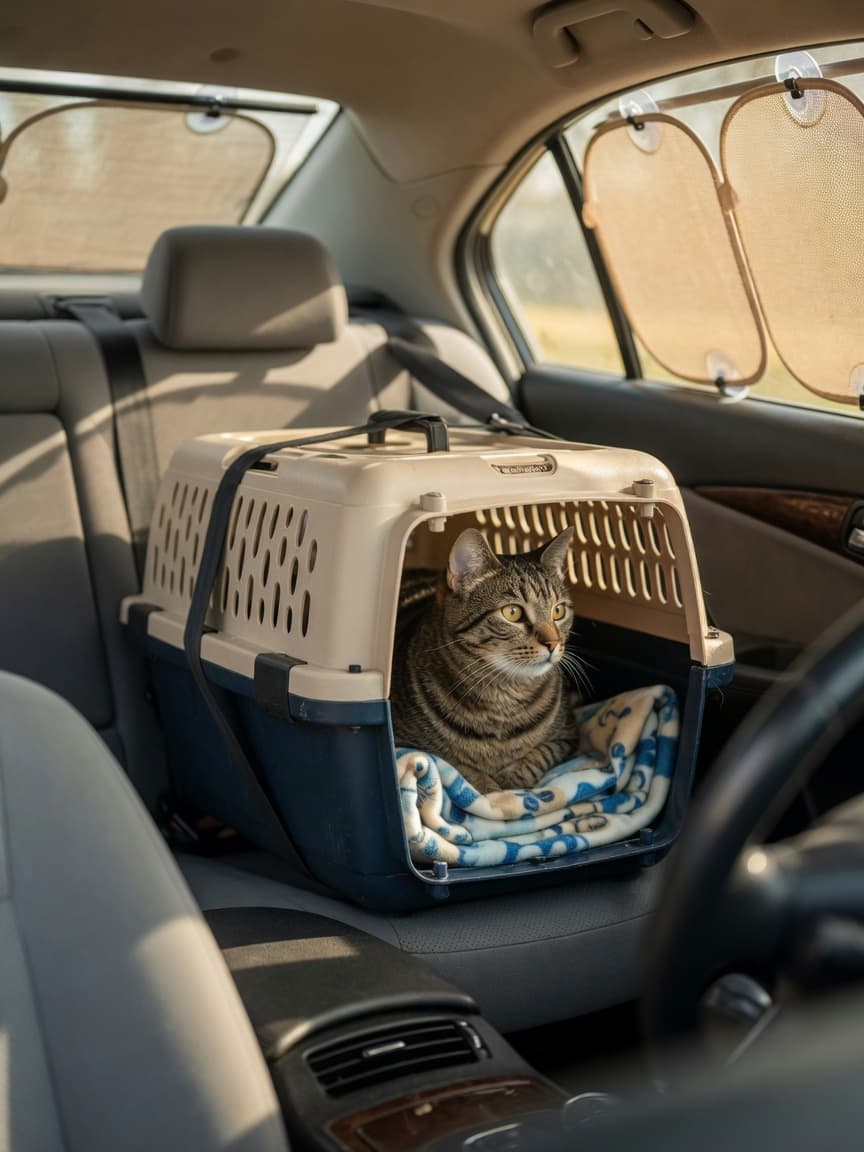
How to Take a Car Trip With Your Cat
Cats are creatures of habit who often find car journeys stressful, yet many pet owners must transport their feline companions for veterinary appointments, house moves, or holidays. Unlike dogs, most cats aren't naturally enthusiastic travellers, but with proper preparation and the right approach, you can transform car trips from a nightmare into a manageable experience. This guide provides practical strategies to keep your cat calm, safe, and comfortable during vehicle journeys.
Start With Gradual Acclimatisation
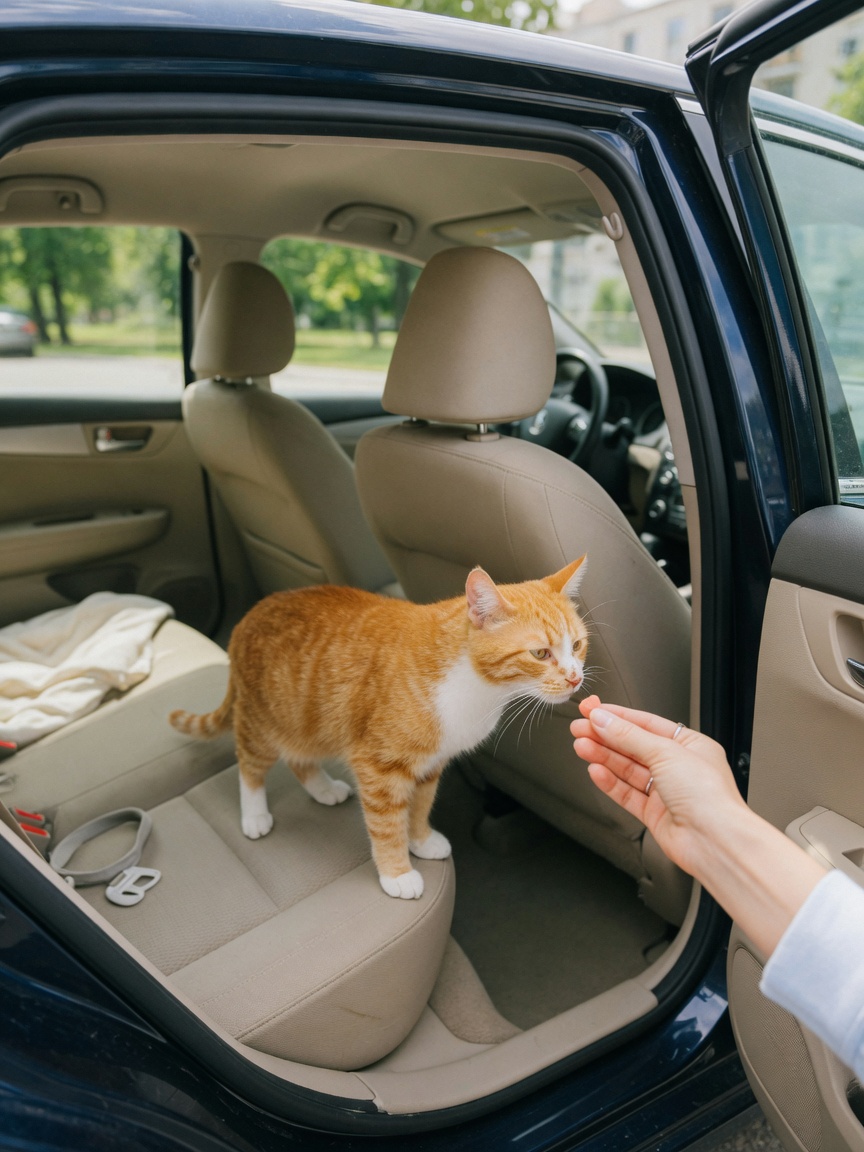
The key to reducing your cat's anxiety is introducing them to the car environment gradually. Begin several weeks before your planned journey by allowing your cat to explore the stationary vehicle whilst the engine is off. Leave the car door open and let them investigate at their own pace, rewarding curiosity with treats and praise.
Once your cat seems comfortable inside, start the engine whilst they're nearby but not in the car. After several days of this, sit in the car with your cat whilst running the engine for short periods. Finally, take very brief drives around your neighbourhood, gradually extending journey lengths. This progressive exposure helps desensitise your cat to the sights, sounds, and sensations of car travel.
Invest in Proper Restraint Equipment
Never allow your cat to roam freely in a moving vehicle—it's both unsafe and illegal in many European countries. Instead, use appropriate restraint options:
- Hard-sided carriers secured with a seatbelt remain the safest option, providing protection during sudden stops or accidents
- Soft carriers offer a more compact solution for shorter journeys, though they're less protective in collisions
- Vehicle-mounted cages provide more space for longer trips whilst keeping your cat contained
- Cat harnesses paired with vehicle-specific seats work well for some cats, though not all are comfortable with harnesses
Whatever you choose, ensure your cat can stand, turn around, and lie down comfortably within the space.
Create a Comfortable Travel Environment
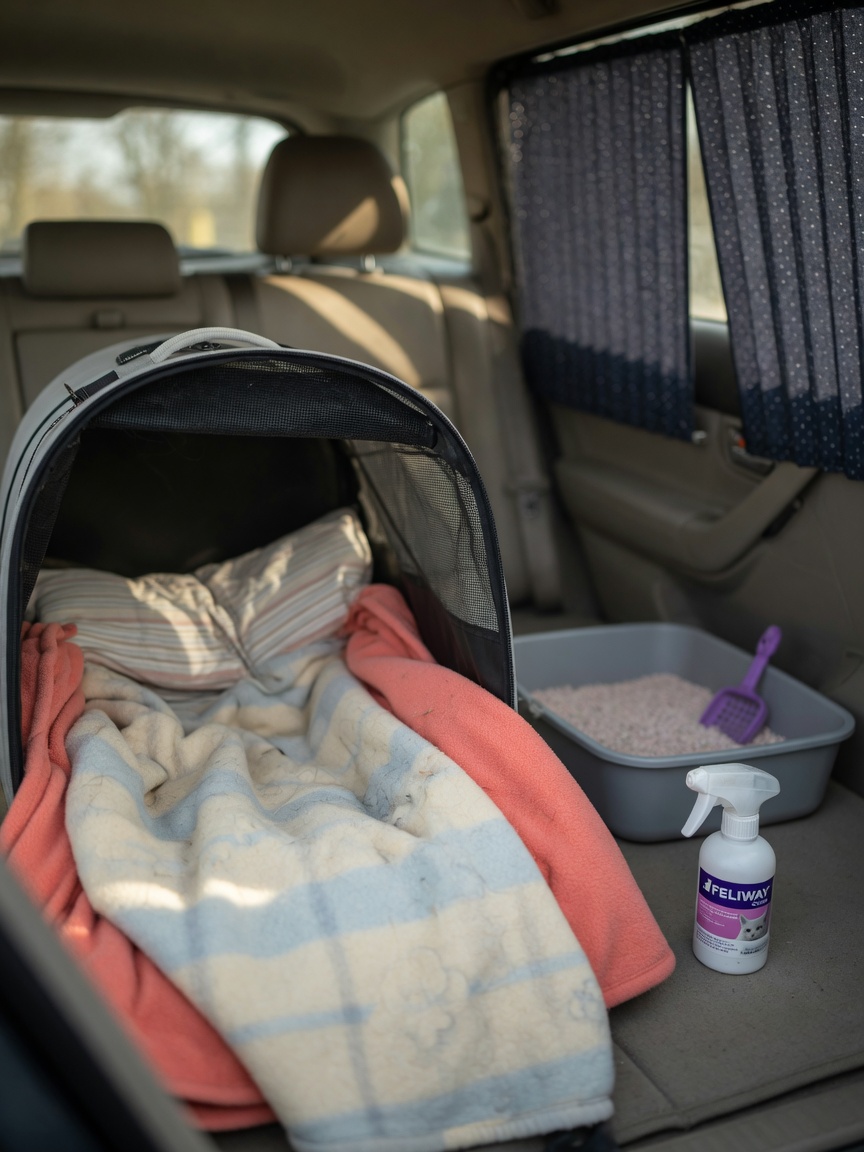
Preparation makes an enormous difference to your cat's comfort during journeys:
- Line the carrier with familiar-smelling bedding or blankets from home
- Maintain moderate temperatures—never leave the car in direct sun or in cold conditions
- Keep window reflections minimal with fitted sun shades to reduce visual overstimulation
- Bring water and a portable litter tray for journeys exceeding two hours
- Consider using calming aids such as Feliway spray, which mimics natural cat pheromones and reduces anxiety
Managing Food, Water, and Toilet Needs
Plan your journey timing carefully. Feed your cat a light meal two to three hours before departure to minimise motion sickness. Offer water regularly, particularly during hot weather or longer journeys. For trips exceeding two hours, bring a portable litter tray and place it in a secure location where your cat can access it safely during stops.
Minimise Stress and Distractions
Create a calm environment within the vehicle by keeping background noise low. Avoid loud music or sudden loud sounds. Some cats benefit from soft, calming music specifically composed for felines. Maintain steady driving speeds and avoid sharp turns when possible. Never scold your cat if they seem anxious—instead, speak in reassuring tones.
For particularly anxious cats, consult your veterinary surgeon about safe sedation options. They may recommend short-term anti-anxiety medication specifically formulated for travel.
Key Takeaways
Successfully transporting your cat requires patience, planning, and empathy. Start early with gradual acclimatisation, always use proper restraint equipment for safety, maintain comfort with familiar items, and plan for toilet breaks on longer journeys. By following these guidelines, you'll significantly reduce your cat's travel stress and create safer journeys for everyone in the vehicle.