
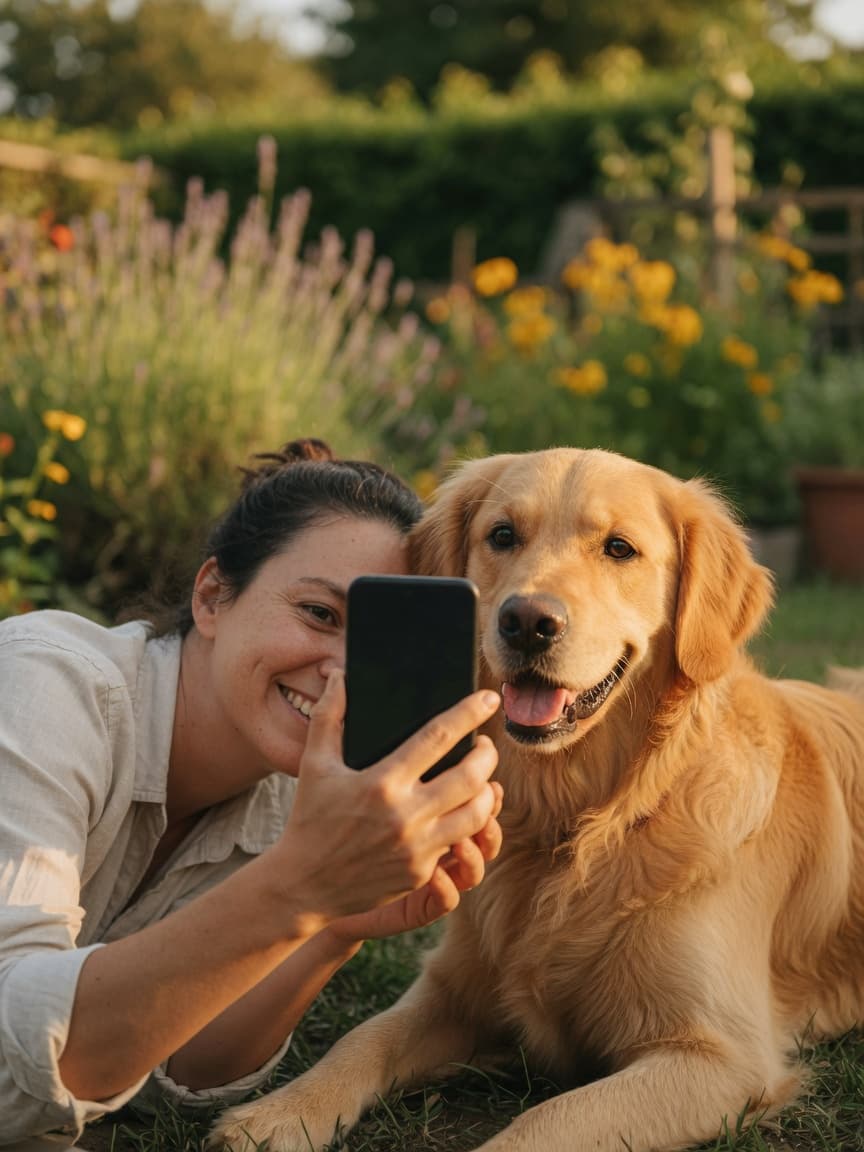
How To Take The Best Pictures Of Your Dog
There's nothing quite like a perfect photograph of your beloved dog—those candid moments that capture their personality, their quirky expressions, or their peaceful naps. Whether you're keen to share snapshots on social media or simply want to preserve cherished memories, learning how to photograph your dog effectively doesn't require expensive equipment or professional training. With a few practical techniques and a bit of patience, you can create stunning images that celebrate everything you love about your four-legged companion.
Understand Your Dog's Personality And Behaviour
The best dog photographs capture genuine moments that reflect your pet's true character. Before you reach for the camera, spend time observing when your dog is most relaxed, playful, or engaging. Does your dog have a favourite toy? Do they perk up at certain times of day? Does your spaniel become most animated during their evening walk?
Understanding these patterns allows you to anticipate the perfect shot. Dogs are creatures of routine, so knowing your pet's behaviour helps you position yourself ready to capture natural, authentic moments rather than staged, stiff poses.
Master The Fundamentals Of Lighting
Lighting is absolutely crucial for dog photography. Natural light produces the most flattering results, so aim to photograph during golden hour—the first hour after sunrise or the last hour before sunset. This soft, warm light is wonderfully forgiving and creates a gentle glow that enhances your dog's coat.
- Avoid harsh midday sunlight, which creates unflattering shadows on your dog's face
- Overcast days offer diffused, even lighting—perfect for portraits
- Position your dog so the light falls gently across their features
- Never photograph with backlighting unless you want silhouettes
- Indoors, use window light rather than artificial lighting whenever possible
Get Down To Their Level
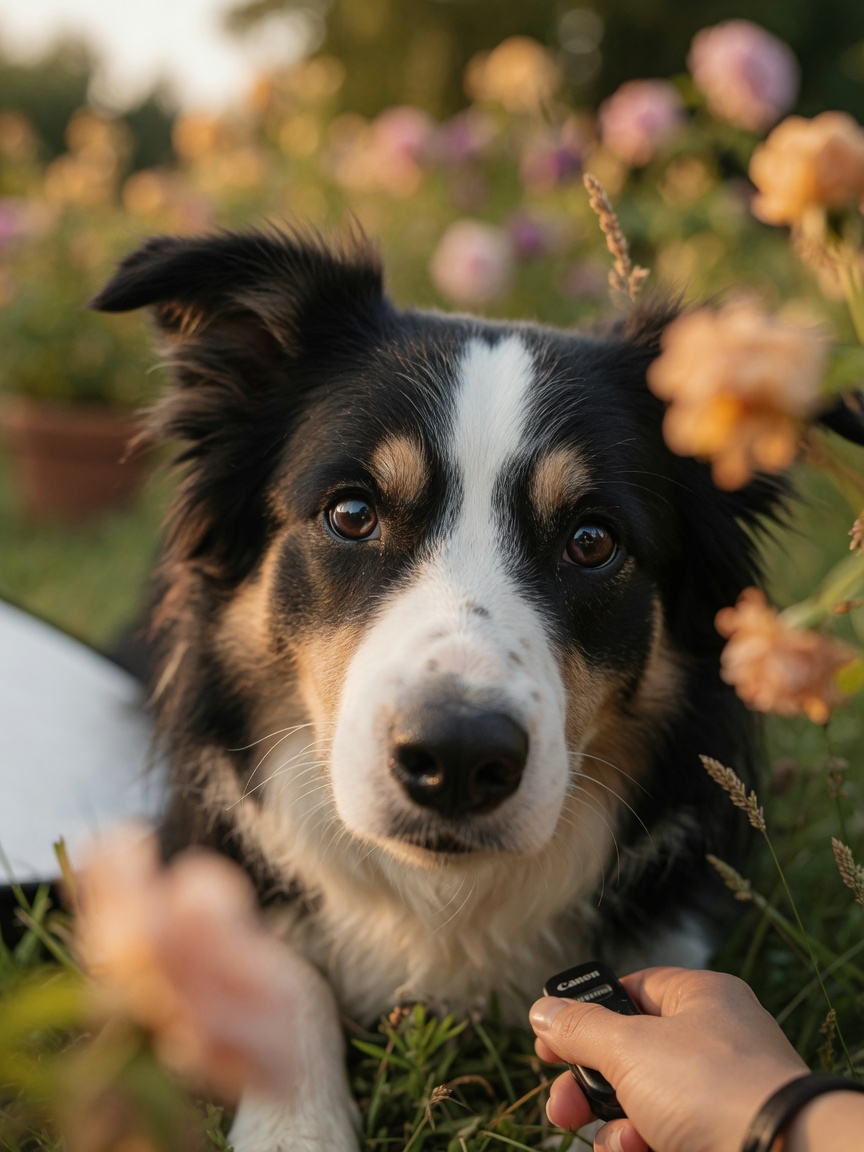
One of the most common mistakes in dog photography is shooting from above. Instead, crouch down or lie on the ground to capture images at your dog's eye level. This perspective creates a more intimate, engaging photograph and prevents the unflattering angles that overhead shots produce.
Getting low also helps you capture your dog's expression and the sparkle in their eyes—those details that make their personality shine through.
Focus On The Eyes
Sharp, clear eyes are the cornerstone of compelling dog photography. Always ensure your camera focuses precisely on your dog's eyes—most modern smartphones and cameras have automatic focus modes that make this straightforward. Even if other parts of the image are slightly out of focus, sharp eyes will make the photograph feel alive and engaging.
If your dog's eyes appear dull, try using a small reflective surface (even your phone) to catch a glimmer of light and create a natural-looking catchlight.
Use Simple Backgrounds And Minimise Distractions
Keep your backgrounds uncluttered. Busy, chaotic backgrounds distract from your dog and can make images feel messy. Plain walls, garden greenery, or simple outdoor settings work beautifully. A simple background draws the viewer's attention directly to your dog.
Similarly, minimise other distractions during your photoshoot. Close windows if neighbours are outside, put away toys your dog doesn't need, and ensure your environment is calm and safe.
Be Patient And Take Plenty Of Shots
Dogs won't sit still for lengthy photoshoots, and that's perfectly acceptable. Take dozens of photographs during each session—most professional photographers take 100+ shots to capture one truly excellent image. The more you shoot, the higher the likelihood of capturing that perfect moment.
Keep sessions short and fun. Reward your dog with treats and praise, and stop before they become bored or frustrated. A happy, relaxed dog naturally produces better photographs.
Key Takeaways
Beautiful dog photographs combine good lighting, thoughtful composition, and patience. Focus on capturing your dog's personality rather than achieving perfection. Shoot during golden hour, position yourself at your dog's eye level, and keep backgrounds simple. Most importantly, have fun with the process—your enjoyment will translate into more natural, engaging images that truly celebrate the special bond you share with your dog.