
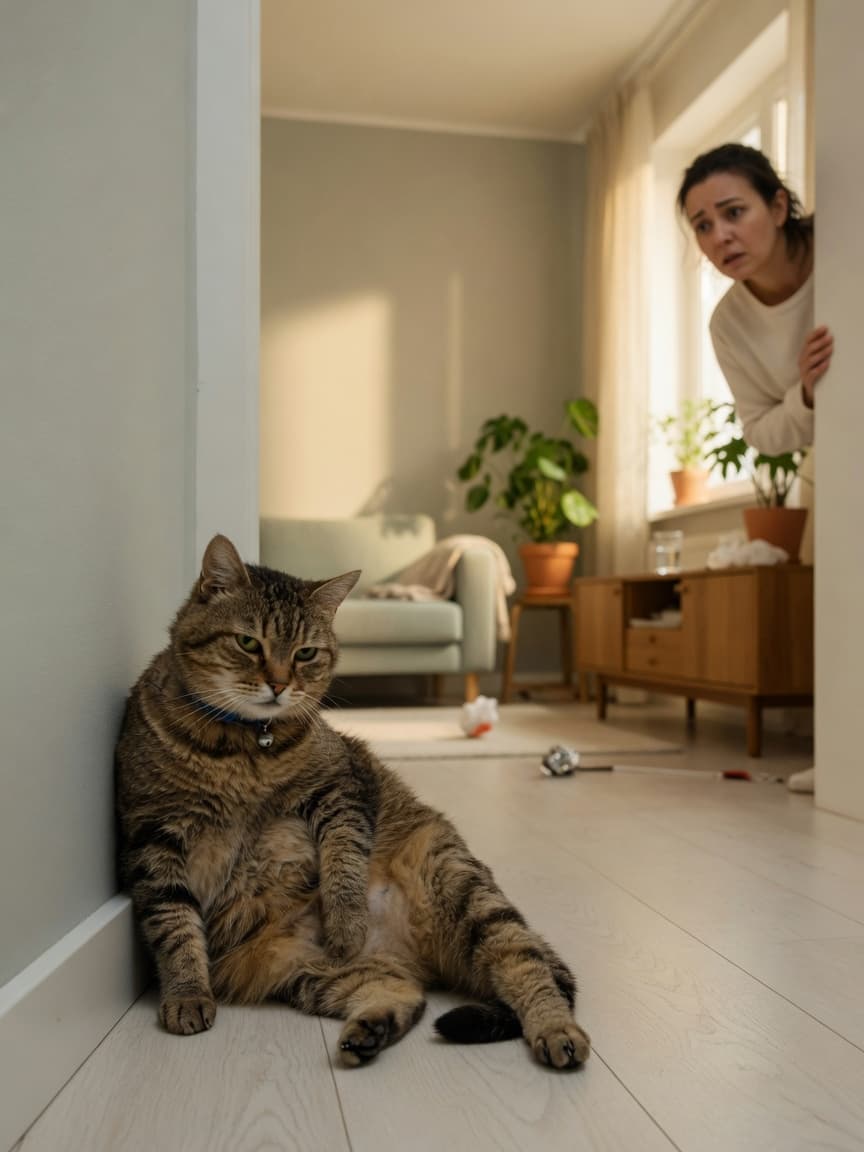
How To Tell If Your Cat Is Depressed
Cats are known for being independent and aloof, but this doesn't mean they're immune to depression. Like humans, cats experience emotional distress and can develop depressive symptoms in response to environmental changes, illness, or loss. As a cat owner, recognising the signs of feline depression is crucial for your pet's wellbeing. Depression in cats isn't just an emotional concern—it can lead to physical health problems and a diminished quality of life. If you've noticed your usually playful cat becoming withdrawn or your independent feline losing interest in life, this comprehensive guide will help you understand what's happening and what steps to take.
Understanding Feline Depression
Depression in cats is a real behavioural and emotional condition that veterinarians take seriously. Unlike dogs, cats often internalise their distress, making depression less obvious. Cats may become depressed following major life changes such as moving house, the loss of a companion, changes in their routine, or even the introduction of new family members. Additionally, underlying medical conditions like chronic pain, thyroid disease, or dental problems can trigger depressive-like behaviour.
It's important to distinguish between normal feline behaviour and genuine depression. Cats naturally sleep 12-16 hours daily and prefer solitude at times. However, sustained changes in behaviour warrant attention.
Key Signs Your Cat May Be Depressed
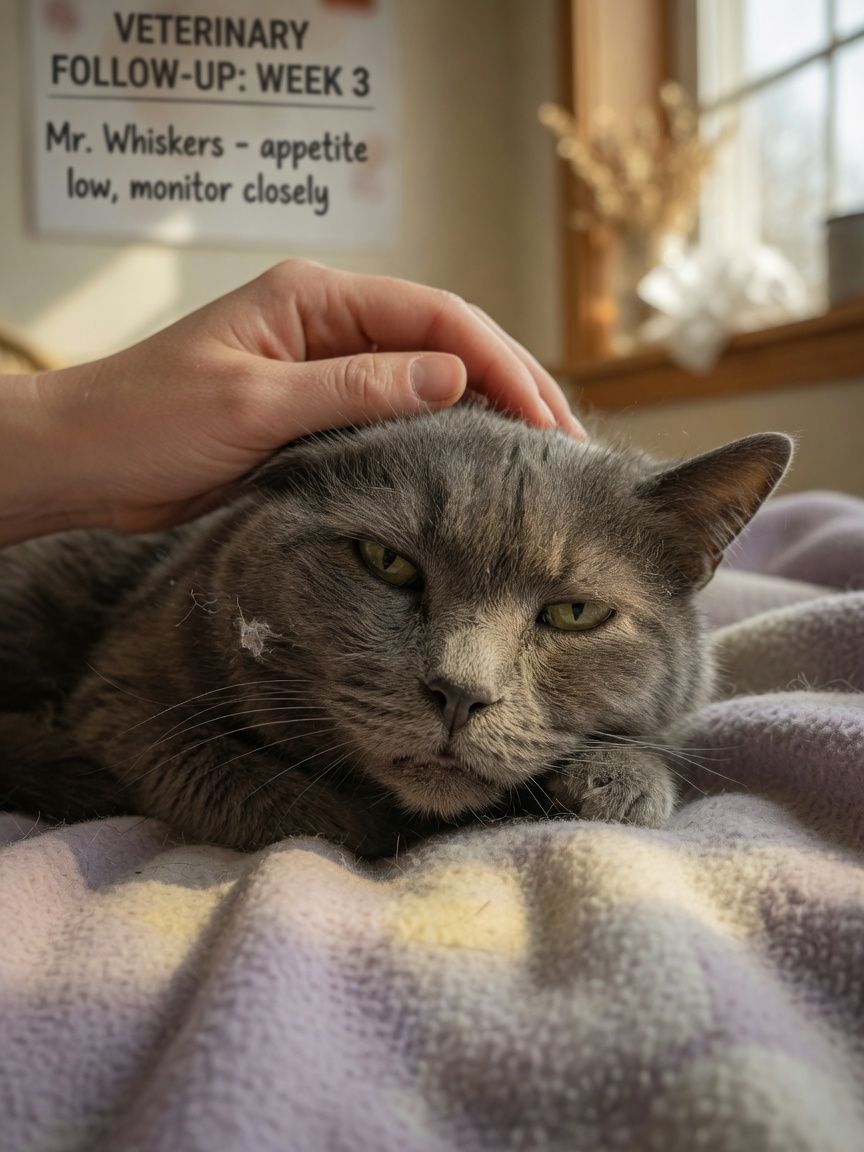
- Loss of appetite or changes in eating habits – Your cat may refuse favourite foods or eat significantly less than usual
- Excessive sleeping or lethargy – Going beyond their normal rest patterns and showing little interest in activity
- Withdrawal from family members – Avoiding interaction and hiding more than usual, even from people they previously bonded with
- Neglecting grooming – A dishevelled coat or reduced self-cleaning behaviour is a telling sign
- Lack of interest in play – Ignoring toys, climbing structures, or activities they once enjoyed
- Changes in litter box habits – Either avoiding the litter box or using it excessively
- Increased vocalisations or unusual quietness – Either excessive meowing or uncharacteristic silence
- Aggressive or irritable behaviour – Unusual swatting, hissing, or tension with other pets
- Staring blankly or seeming confused – A glazed expression or lack of responsiveness to stimuli
Common Triggers for Feline Depression
Understanding what may have prompted your cat's depression is essential. Common triggers include:
- Death of a companion animal or family member
- Moving to a new home
- Changes in daily routine or schedule
- Introduction of new pets or people
- Prolonged illness or recovery from surgery
- Environmental stressors like loud noises or construction
- Inadequate mental stimulation or enrichment
What You Should Do
If you suspect your cat is depressed, your first step should be scheduling a veterinary appointment. Your vet will rule out underlying medical conditions that might mimic depressive symptoms, such as hyperthyroidism, diabetes, or pain-related issues.
Once medical causes are excluded, you can work toward behavioural improvement:
- Maintain consistent routines and feeding schedules
- Increase interactive play sessions with appropriate toys
- Provide environmental enrichment such as window perches, climbing trees, and puzzle feeders
- Consider pheromone diffusers (like Feliway) to reduce stress
- Ensure a quiet, safe space where your cat can retreat
- Spend quality time together without forcing interaction
When to Seek Professional Help
If your cat's condition doesn't improve within a few weeks despite environmental changes, or if symptoms worsen, consult your vet about additional interventions. In some cases, veterinary behaviourists or anti-anxiety medications may be beneficial.
Key Takeaways
Depression in cats is a genuine concern that deserves attention and care. Watch for sustained changes in appetite, activity levels, grooming habits, and social behaviour. Always consult your veterinarian to exclude medical causes. By combining professional guidance with environmental enrichment and consistent care, you can help your feline friend rediscover joy and return to their happier self. Remember, your cat relies on you to notice when something isn't quite right—trust your instincts and act promptly.