
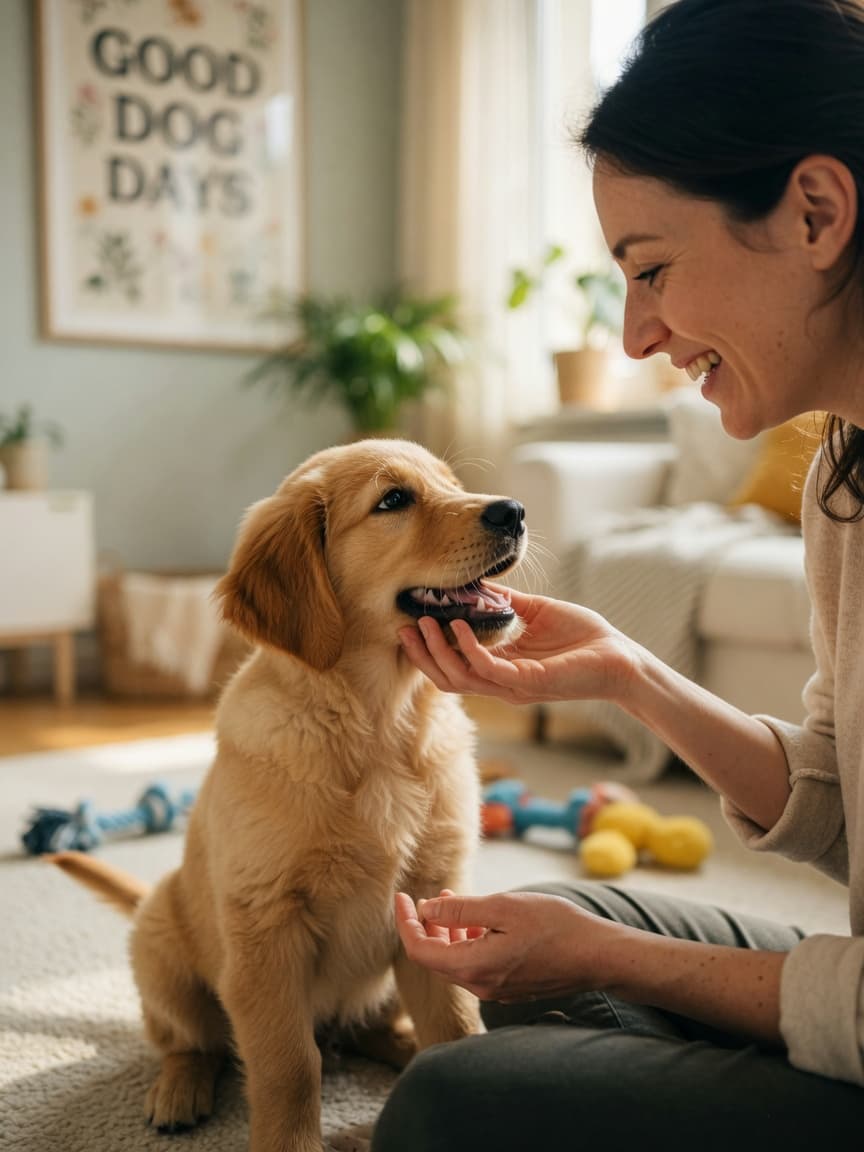
How to Train Your Dog to Have Bite Inhibition
Bite inhibition is one of the most important skills your dog can learn, yet many pet owners overlook this crucial aspect of training. Simply put, bite inhibition is your dog's ability to control the force of their bite and, ideally, to avoid biting altogether. Whether your dog is a playful puppy or a rescue with behavioural challenges, teaching bite inhibition creates a safer environment for your family, visitors, and other animals. This article explores evidence-based strategies to help your dog develop this essential self-control.
Understanding Bite Inhibition
Bite inhibition develops naturally when puppies play with littermates. During rough-and-tumble play, if one puppy bites too hard, the others yelp and stop playing. Through repetition, puppies learn that gentle mouths lead to continued play, whilst hard bites end the fun. Dogs separated from littermates too early often lack this learning opportunity, making human intervention essential.
Bite inhibition doesn't mean your dog never mouths or plays—it means they understand how much pressure is acceptable. Even friendly dogs occasionally mouth their owners during excitement, and properly trained dogs will do so gently and briefly.
Start with Socialisation and Play
The foundation for bite inhibition begins early. Well-socialised puppies exposed to various people, environments, and gentle handling develop better impulse control overall. Regular, supervised playtime with other vaccinated puppies provides natural learning opportunities.
- Allow your puppy to interact with calm, well-trained adult dogs
- Ensure play sessions remain light and non-aggressive
- Separate dogs if play becomes too rough or one seems distressed
- Handle your puppy's mouth, paws, and ears regularly to build tolerance
The "Yelp and Withdraw" Method
This technique mimics how littermates naturally teach bite inhibition. When your dog bites or mouths too hard during play:
- Make a high-pitched yelp or cry to indicate pain
- Immediately stop playing and turn away
- Ignore your dog for 10-15 seconds
- Resume play only when your dog is calm
This teaches your dog that hard bites stop the fun. Consistency is vital—everyone in your household must respond the same way. Over time, your dog learns to inhibit their bite force to maintain playtime.
Redirect Unwanted Mouthing
For dogs who persistently mouth hands or clothes, redirection works well:
- Offer appropriate chew toys immediately when mouthing begins
- Praise and reward your dog for chewing toys instead
- Keep engaging toys readily available during play sessions
- Avoid hand-wrestling games that encourage mouthing
- Never play tug-of-war with children, as this can escalate mouthing behaviour
Positive Reinforcement Strategies
Reward-based training strengthens bite inhibition effectively. When your dog demonstrates appropriate mouth control during play or handling:
- Offer verbal praise immediately
- Provide high-value treats
- Extend playtime or give extra attention
- Use a consistent marker word like "gentle" to identify desired behaviour
Dogs repeat behaviours that result in positive outcomes, so regularly rewarding gentle play builds lasting habits.
When to Seek Professional Help
If your dog shows signs of aggression, bites without provocation, or doesn't respond to training after 4-6 weeks of consistent effort, consult a certified animal behaviourist or trainer. These professionals assess whether behaviour stems from fear, excitement, resource guarding, or other issues requiring specialist intervention.
Key Takeaways
Bite inhibition is a learnable skill that protects everyone your dog encounters. Start early with socialisation, use natural teaching methods like the yelp technique, redirect mouthing to appropriate toys, and consistently reward gentle behaviour. Remember that this training requires patience and consistency across all household members. With dedication, your dog will learn to express enthusiasm through soft mouths and controlled play, becoming a confident, safe companion for years to come.