
How To Treat Constipation in Cats
Constipation is one of the most common digestive issues affecting cats, particularly as they age. If your feline friend is straining in the litter box, producing hard or infrequent stools, or showing reluctance to defecate, constipation may be the culprit. Unlike occasional sluggish bowels, persistent constipation can lead to serious complications like megacolon if left untreated. Understanding the causes and knowing how to respond can help keep your cat comfortable and healthy.
Understanding Feline Constipation
Cats are naturally low-thirst animals, which makes them particularly prone to dehydration and constipation. Unlike dogs, cats evolved as solitary hunters eating small prey and developed an inefficient thirst mechanism. Their kidneys are also highly efficient at conserving water, leaving little moisture in the digestive tract. This physiological quirk means constipation affects roughly 10-25% of cats at some point in their lives.
Common causes include insufficient water intake, low-fibre diets, lack of physical activity, obesity, intestinal blockages, and certain medications. Senior cats and long-haired breeds like Persians and Maine Coons are at higher risk.
Immediate Home Management
If your cat shows mild constipation symptoms, several safe home remedies can help:
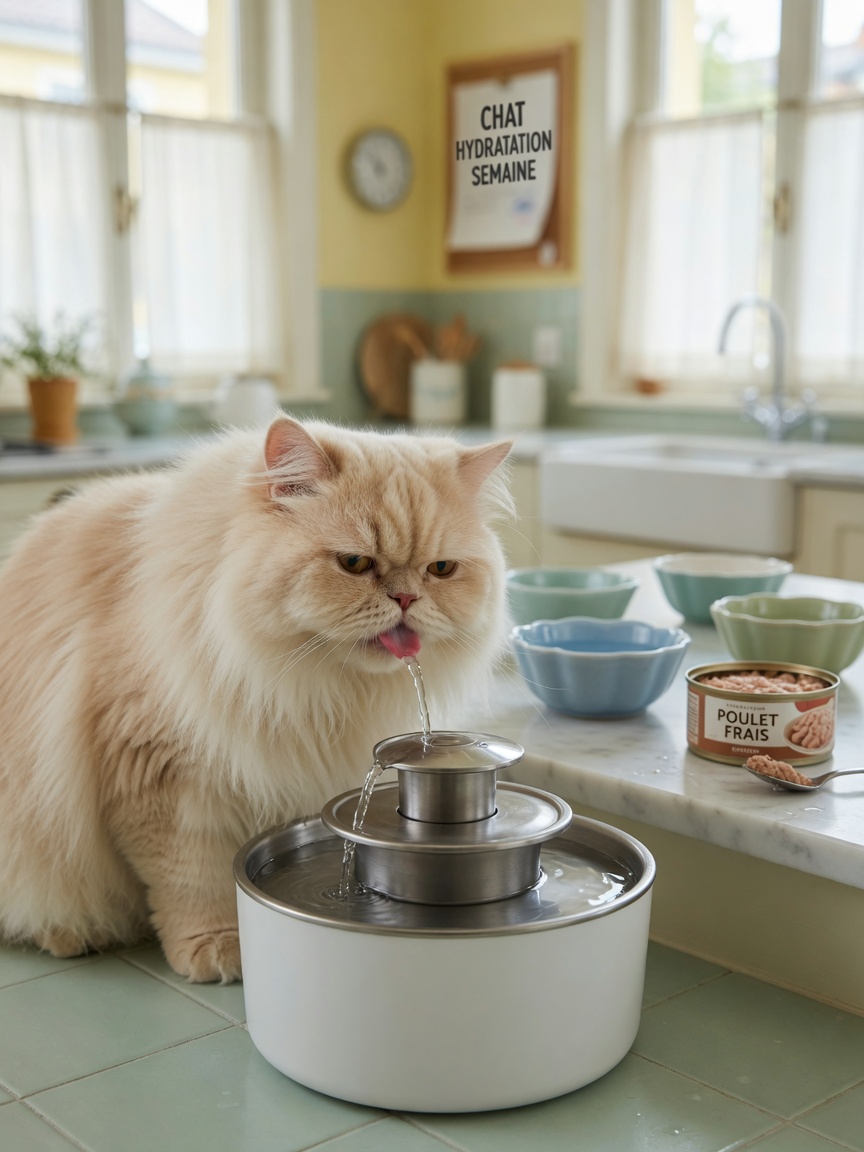
- Increase water intake — Place multiple water bowls around your home or consider a cat water fountain, as many cats prefer moving water
- Switch to wet food — Tinned or fresh food contains significantly more moisture than dry kibble, naturally increasing hydration
- Add fibre gradually — Cooked pumpkin (plain, unsweetened) or specialised cat digestive supplements can soften stools
- Encourage movement — Interactive toys and playtime stimulate the digestive system and bowel movements
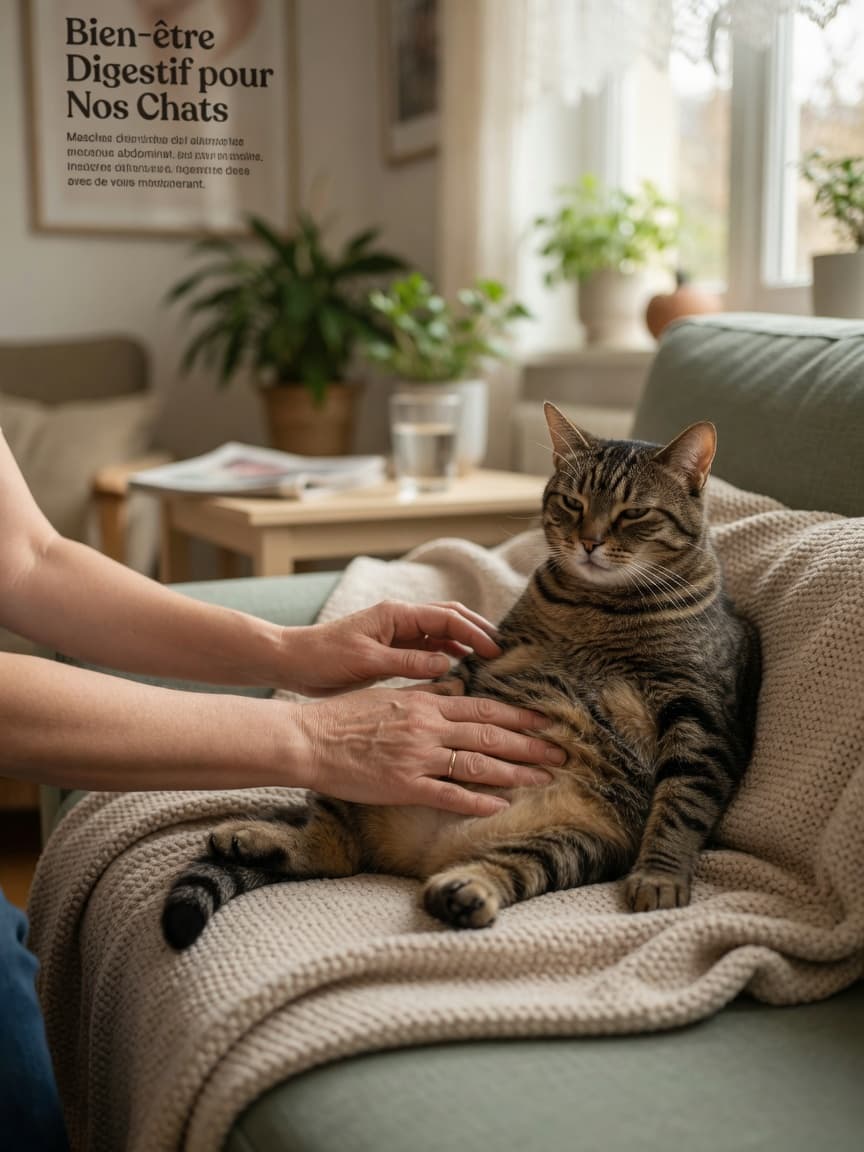
- Gentle massage — Massage your cat's abdomen in a clockwise direction to support intestinal movement
- Adjust litter box placement — Ensure the box is easily accessible and peaceful, as stress can worsen constipation
When To Contact Your Veterinarian
Seek professional help if constipation persists beyond 48 hours or if your cat displays these warning signs:
- Complete lack of bowel movements for more than 3-4 days
- Vomiting or loss of appetite
- Abdominal pain or distension
- Lethargy or behavioural changes
- Bloody or mucus-covered stools
Veterinary Treatment Options
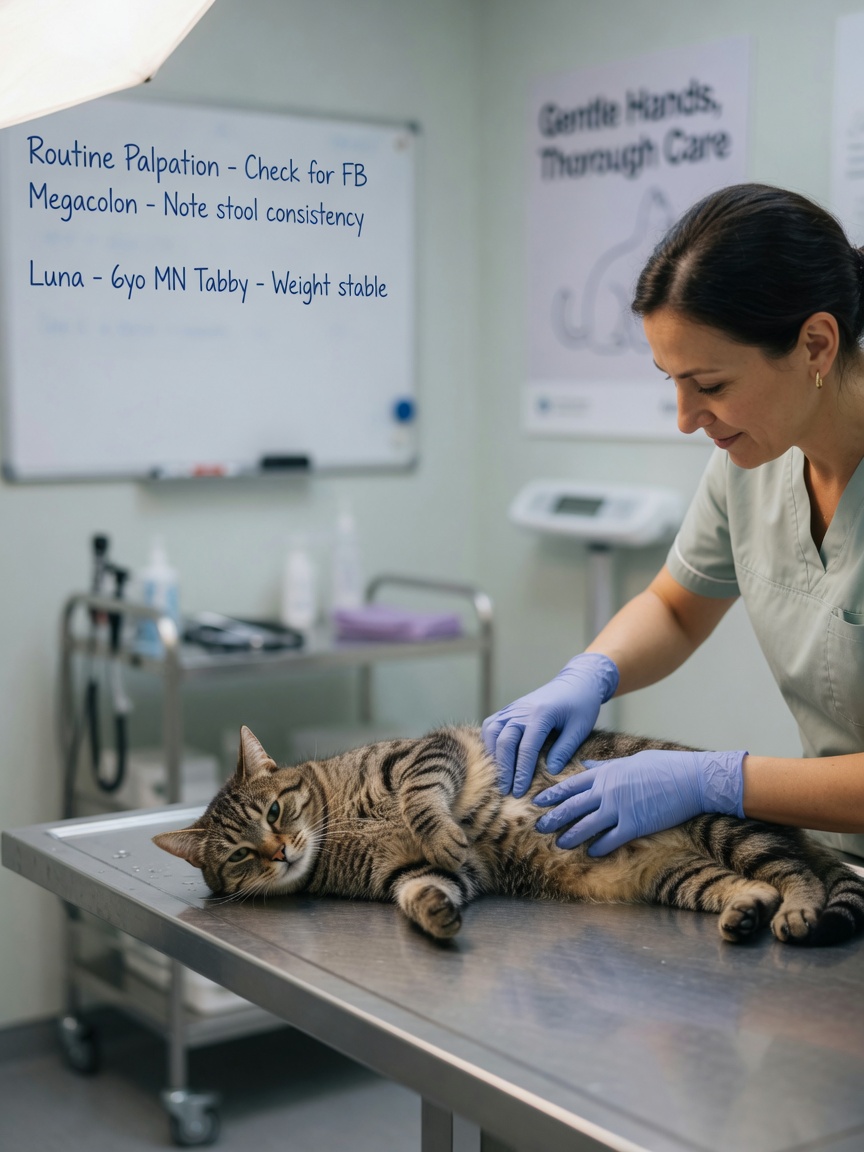
Your vet may recommend several evidence-based treatments depending on severity:
- Enemas — Administered professionally, these help soften and remove impacted faeces
- Medication — Stool softeners or prokinetic agents that enhance intestinal contractions may be prescribed
- Dietary modification — Your vet might recommend prescription digestive diets formulated for constipation management
- Manual evacuation — In severe cases, vets may need to manually remove impacted faeces under sedation
- Imaging — X-rays or ultrasounds can identify underlying blockages or megacolon
Prevention Strategies
Preventing constipation is far easier than treating it. Maintain a high-moisture diet, ensure constant access to fresh water, keep your cat active with regular play sessions, and maintain a healthy weight. Monitor litter box habits and schedule annual veterinary check-ups, particularly for cats over seven years old.
Key Takeaways
Constipation in cats requires prompt attention but often responds well to simple interventions like increased hydration and dietary adjustments. Start with home remedies for mild cases, but don't hesitate to contact your vet if symptoms persist. With proper diet, exercise, and monitoring, most cats can enjoy healthy, regular bowel movements throughout their lives. Remember, your veterinarian remains your best resource for determining the underlying cause and creating a tailored treatment plan for your individual cat.