
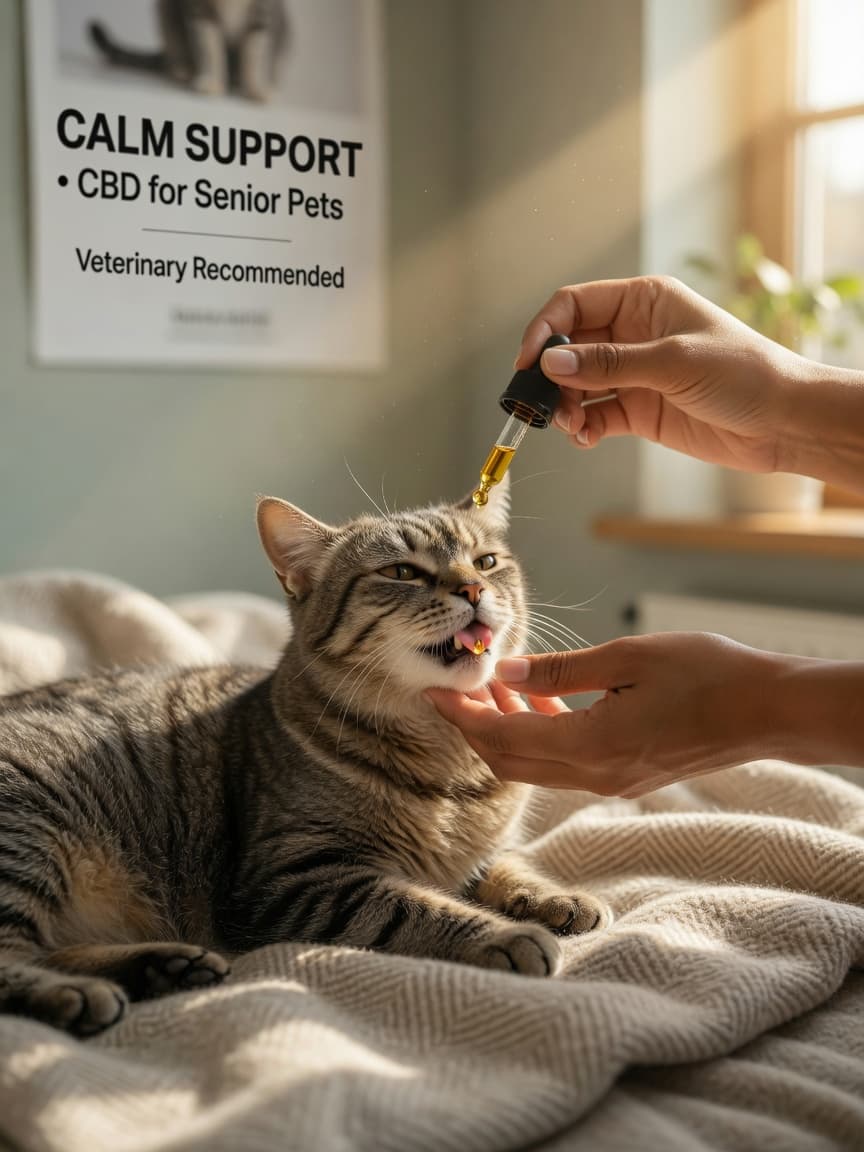
How to Use CBD Oil for Cats with Cancer and Why it Works
Discovering that your cat has cancer can be devastating, and many pet owners find themselves searching for complementary therapies to support their feline companion's wellbeing. CBD oil has emerged as a promising supplementary option that may help manage cancer-related symptoms in cats. Unlike THC, CBD contains no psychoactive properties and is increasingly recognised by veterinary professionals as a potential aid for pain management, appetite stimulation, and anxiety relief. This guide explores the science behind CBD for feline cancer care and provides practical guidance on safe usage.
Understanding CBD and Its Mechanisms in Cancer Care
CBD (cannabidiol) is a naturally occurring compound found in cannabis plants. Research suggests it works through several pathways that may benefit cats with cancer. Preliminary studies indicate that CBD may possess anti-inflammatory and antioxidant properties, and some laboratory research hints at potential anti-tumour effects. However, it's crucial to understand that whilst CBD shows promise, it should never replace conventional cancer treatments like chemotherapy, surgery, or radiation recommended by your veterinarian.
For cats with cancer, CBD's most established benefits are symptom management, including:
- Pain relief and improved comfort
- Reduced nausea and improved appetite
- Decreased anxiety and stress
- Enhanced sleep quality
- General anti-inflammatory effects
The Science Behind CBD for Feline Health
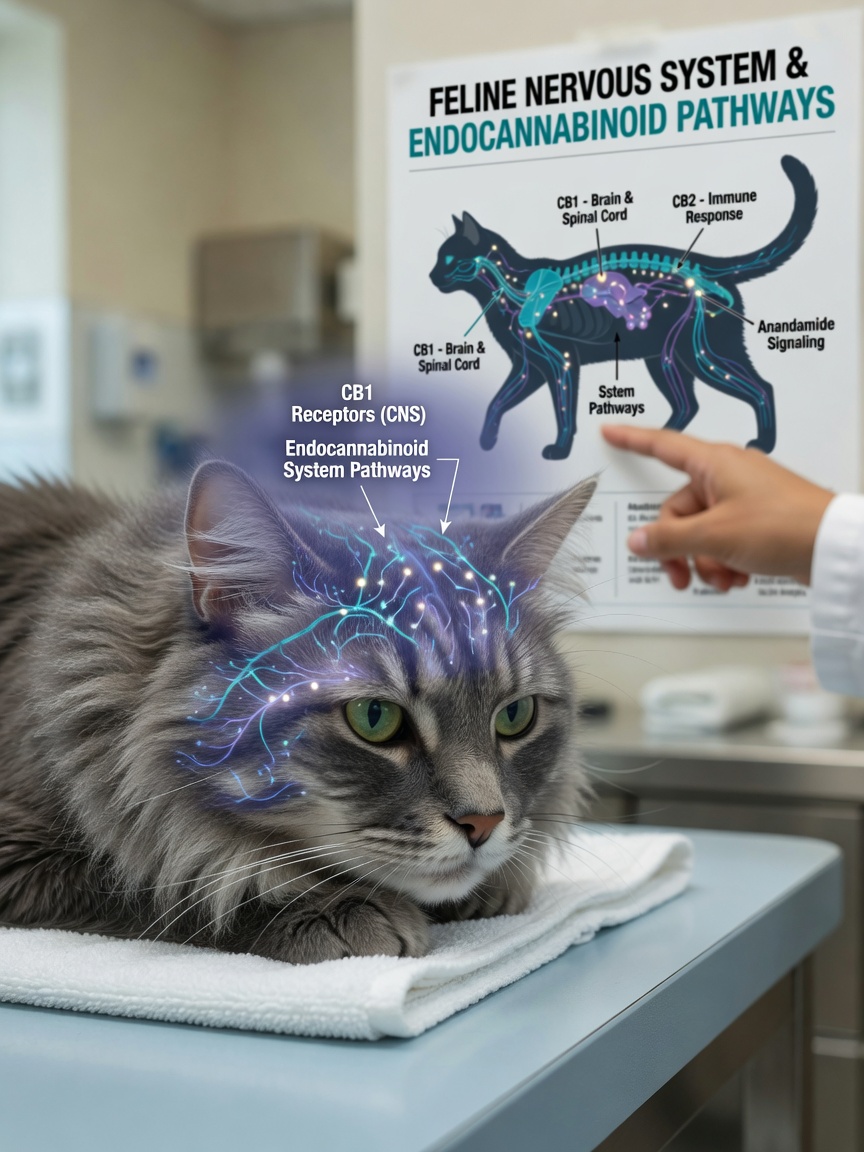
Cats have a unique endocannabinoid system that responds to CBD differently than dogs or humans. Their livers metabolise substances more slowly, meaning they may require lower doses but experience longer-lasting effects. Recent veterinary studies on CBD in cats remain limited, making individualised dosing particularly important.
The compound interacts with serotonin and vanilloid receptors, which explains its anxiolytic and pain-relieving properties. For cancer patients experiencing cachexia (muscle wasting) and loss of appetite, CBD may help stimulate feeding behaviour, which is essential for maintaining strength during treatment.
Choosing Quality CBD Products for Your Cat
Not all CBD products are created equal. When selecting a product for your cat, prioritise the following:
- Third-party testing: Ensure the product has been independently tested for purity and potency
- Full-spectrum or broad-spectrum: These contain beneficial compounds alongside CBD
- Feline-specific formulations: Look for products specifically designed for cats, with appropriate concentrations
- Carrier oils: MCT oil or coconut oil are preferable to hemp seed oil for cats
- No additives: Avoid products containing xylitol, essential oils, or artificial sweeteners, which are toxic to cats
Liquid tinctures are generally easier to dose accurately for cats than capsules or treats.
Dosing and Administration Guidelines
Correct dosing is vital for safety and efficacy. Veterinary recommendations typically range from 1–5 mg per kilogram of body weight, administered twice daily. However, always consult your veterinarian before starting any CBD regimen.
Administration tips for cats include:
- Place drops directly into your cat's mouth or on their gums for rapid absorption
- Mix with a small amount of wet food if your cat refuses direct dosing
- Start with the lowest recommended dose and increase gradually over one to two weeks
- Keep a symptom diary to monitor your cat's response
- Maintain consistency in timing and dosage
Safety Considerations and Potential Side Effects
Whilst CBD is generally well-tolerated in cats, mild side effects can occur, including drowsiness, dry mouth, or temporary appetite changes. More importantly, CBD can interact with certain medications, particularly those metabolised by the liver.
Always inform your veterinarian about CBD use, especially if your cat is undergoing chemotherapy or taking pain medications. Regular liver function tests may be recommended if your cat receives CBD long-term.
Key Takeaways for CBD Use in Feline Cancer Care
CBD oil represents a promising complementary tool in managing cancer symptoms and improving quality of life for cats. By working closely with your veterinarian, selecting high-quality products, and monitoring your cat's response carefully, you can safely explore this option alongside conventional treatments. Remember that CBD is not a cure, but rather a supportive therapy that, when used appropriately, may help your beloved companion feel more comfortable during their cancer journey.