
Hyperthyroidism Is the Most Common Hormonal Disorder in Middle-Aged and Senior Cats
Picture a cat that is ravenously hungry yet losing weight, restless at night, vocalising more than usual, and drinking water as though perpetually parched. This constellation of signs is classic hyperthyroidism — a condition affecting an estimated one in ten cats over the age of ten. The overactive thyroid gland floods the body with excess thyroid hormones, accelerating virtually every metabolic process beyond sustainable limits.
The condition is caused in the vast majority of cases by a benign overgrowth of thyroid tissue. While the word benign offers some reassurance, untreated hyperthyroidism leads to serious cardiovascular damage, hypertension, kidney deterioration, and significantly shortened life expectancy. The good news is that effective treatment options exist — and choosing between them depends on your cat's health profile and your practical circumstances.
Daily Medication: The Most Common Starting Point
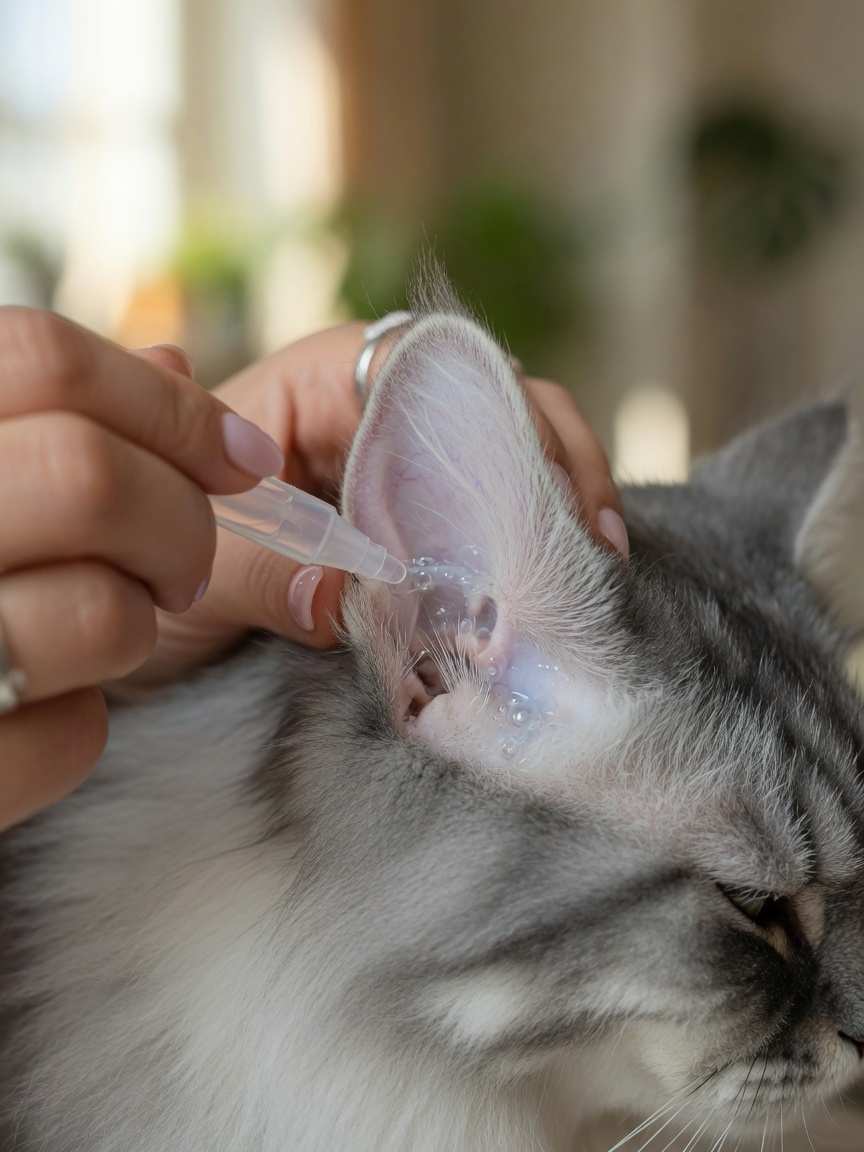
Antithyroid drugs — most commonly methimazole — work by blocking the production of thyroid hormones rather than destroying the abnormal tissue. They do not cure hyperthyroidism; they control it. This means treatment is lifelong, and the thyroid gland continues to grow in the background.
How Medication Is Given
Methimazole is available as oral tablets, a liquid formulation, or a transdermal gel applied to the inner ear flap. The transdermal route is popular for cats resistant to pilling, though absorption is slightly less predictable than oral dosing. Most cats require twice-daily administration, though some are managed once daily once stable.
Monitoring Requirements
After starting medication, thyroid hormone levels and kidney function must be monitored closely — typically at two to four weeks, then every three to six months once stabilised. This matters because hyperthyroidism can mask underlying kidney disease. When thyroid levels normalise, kidney blood flow decreases and previously hidden chronic kidney disease (CKD) may emerge. Your vet will navigate this carefully, sometimes intentionally targeting a mildly elevated thyroid level to protect kidney function.
Side Effects to Watch For
Facial itching, vomiting, lethargy, and appetite loss occur in a minority of cats, particularly within the first month. More serious but rarer side effects include bone marrow suppression and liver changes, which is why regular blood monitoring is not optional. If side effects are intolerable, alternative treatment methods should be discussed with your vet.
Radioiodine Therapy: The Gold Standard
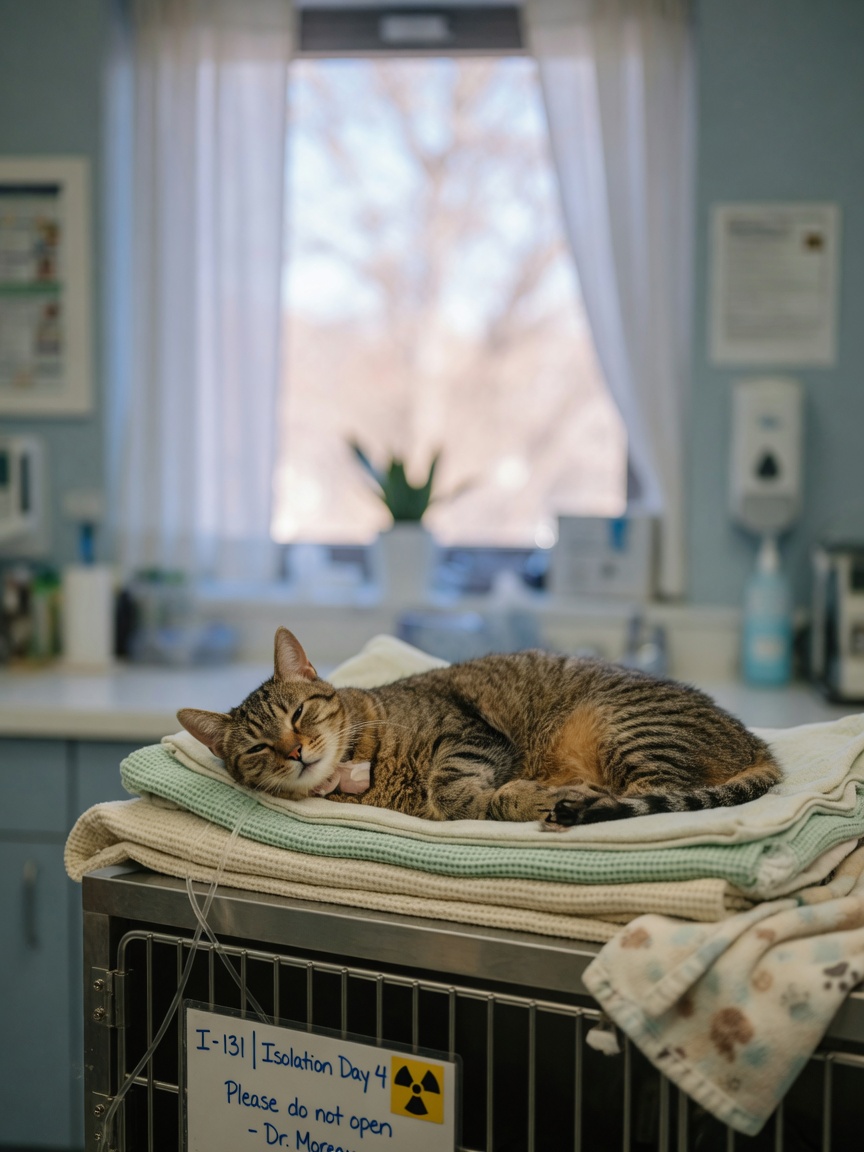
Radioactive iodine (I-131) is widely regarded as the most effective and safest long-term treatment for feline hyperthyroidism. A single injection of radioactive iodine is absorbed by the overactive thyroid tissue and destroys it, while leaving normal tissue largely unaffected.
Cure rates exceed 95 per cent after a single treatment. There is no anaesthetic risk, no daily medication burden, and no ongoing monitoring for drug side effects. Most cats are euthyroid — meaning their thyroid function is normal — within one to three months of treatment.
The principal limitation is practical rather than medical. Cats must be hospitalised in a licensed radioiodine facility for a legally required isolation period, typically one to three weeks, until radiation levels in bodily waste fall to safe levels. After discharge, some handling precautions apply at home for a further period. The upfront cost is higher than medication, but over a lifetime it is frequently more economical. A small percentage of cats develop hypothyroidism post-treatment and require supplementation.
Surgical Thyroidectomy: Effective but Less Commonly Chosen
Surgical removal of the affected thyroid lobe or lobes is a curative option that has largely been superseded by radioiodine at specialist centres, but remains relevant where I-131 is unavailable or where other factors apply.
Success rates are high in experienced hands, with most cats achieving normal thyroid function post-operatively. The primary risks are anaesthetic complications — significant in older cats with cardiovascular or kidney disease — and damage to the adjacent parathyroid glands, which regulate calcium. Hypocalcaemia following parathyroid damage can be life-threatening and requires prompt management.
Where only one lobe is affected, unilateral thyroidectomy carries lower risk. Bilateral disease requires staged surgery or simultaneous removal, increasing complexity. Pre-operative stabilisation with medication for several weeks reduces anaesthetic risk substantially and is standard practice.
Dietary Management as an Adjunct or Alternative
A prescription diet severely restricted in iodine can control thyroid hormone production in some cats. This approach requires that the cat eats exclusively this food — no treats, no other food sources, no hunting — which is impractical in many households and impossible in multi-cat homes. It is best considered an option for cats unable to tolerate medication or surgery and where radioiodine is inaccessible.
Choosing the Right Treatment for Your Cat
- Medication suits cats where owners prefer a phased approach, where radioiodine facilities are distant, or where underlying kidney disease needs careful observation before committing to a cure
- Radioiodine is the preferred curative option for most otherwise healthy cats — high efficacy, low risk, no long-term daily burden
- Surgery remains appropriate where radioiodine is unavailable, or in younger cats with unilateral disease and low anaesthetic risk
- Dietary management is a last resort for specific circumstances
- Always stabilise with medication before pursuing surgery or, where required, before radioiodine to reduce cardiovascular risk
- Monitor kidney function regardless of treatment chosen — this is non-negotiable in hyperthyroid cats
Feline hyperthyroidism is highly treatable, and most cats do exceptionally well once therapy is underway. The right choice depends on your individual cat's health, your lifestyle, and access to specialist services. Discuss the full range of options with a vet experienced in feline endocrinology to make the most informed decision.