

When a Dog's Immune System Becomes Its Own Worst Enemy
Immune-mediated haemolytic anaemia — known as IMHA — is one of the most serious and rapidly progressing conditions seen in veterinary emergency medicine. A dog can appear healthy one day and be in life-threatening crisis within 48 hours. In IMHA, the immune system mistakenly identifies its own red blood cells as foreign invaders and destroys them faster than the body can replace them. Without prompt treatment, the outcome is often fatal.
Understanding Why IMHA Happens
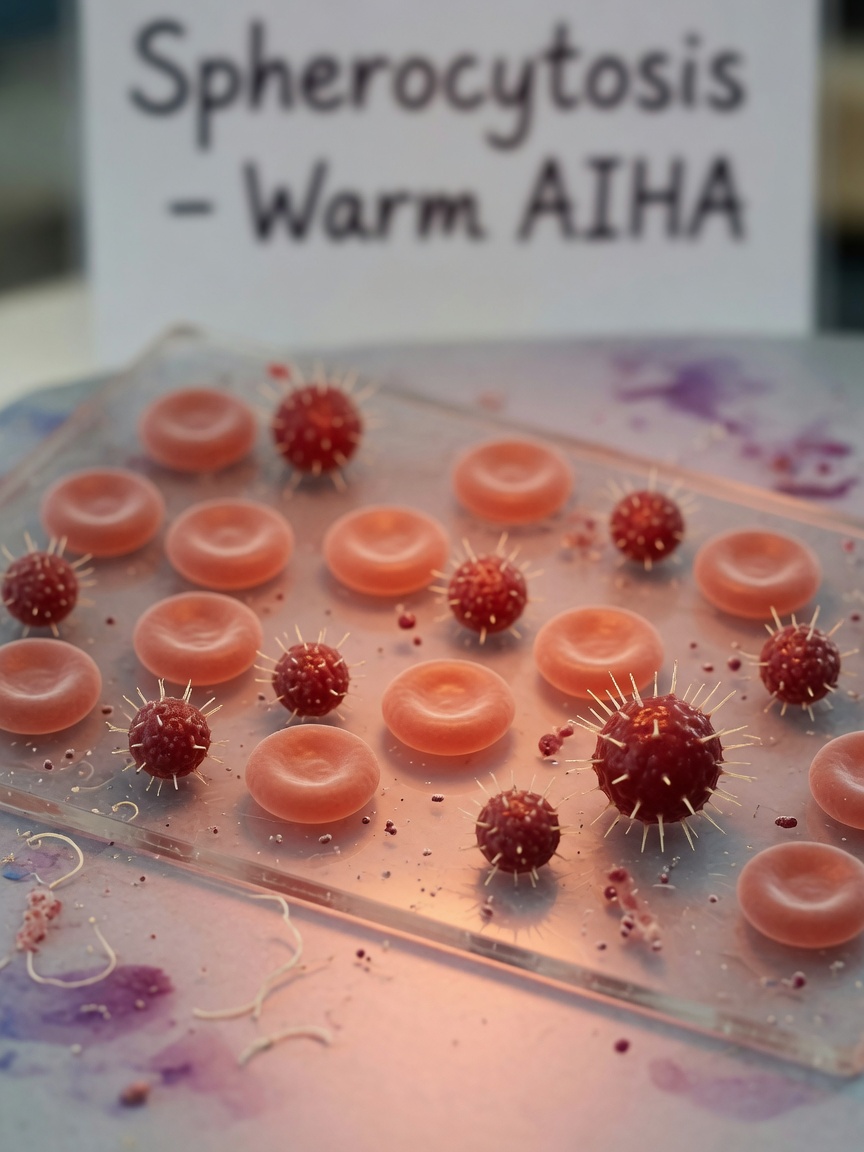
In a healthy immune system, antibodies target bacteria, viruses, and other pathogens. In IMHA, antibodies attach to the surface of red blood cells, flagging them for destruction by the spleen and liver. The result is a catastrophic and progressive anaemia that can overwhelm the body's compensatory mechanisms within days.
Primary versus Secondary IMHA
Primary IMHA — also called idiopathic — has no identifiable trigger. The immune system simply malfunctions. This accounts for the majority of cases. Secondary IMHA arises as a response to something else: a drug reaction, a vaccine, a tick-borne infection, a blood parasite, or an underlying cancer. Identifying whether the cause is primary or secondary is essential because it shapes the treatment plan.
Breeds at Higher Risk
- Cocker Spaniels
- English Springer Spaniels
- Old English Sheepdogs
- Irish Setters
- Poodles
Middle-aged female dogs appear to be at greater risk statistically, though any dog can develop IMHA.
Recognising the Signs
Because red blood cells carry oxygen, their destruction leads to oxygen deprivation throughout the body. Signs tend to develop quickly and worsen rapidly.
Early Signs
- Lethargy and reluctance to exercise
- Pale, yellow-tinged, or white gums
- Reduced appetite
- Rapid breathing at rest
Advanced Signs
- Jaundice (yellowing of the skin, eyes, or gums)
- Dark orange or brown urine from haemoglobin breakdown
- Rapid or irregular heartbeat
- Collapse
Jaundice combined with pale gums is a classic presentation that should prompt immediate veterinary attention.
Diagnosis: What Tests the Vet Will Run
Diagnosis begins with a full blood count. A dramatically low PCV combined with the presence of spherocytes — small, misshapen red blood cells stripped of their membrane by immune attack — is highly suggestive of IMHA. The Coombs test (direct antiglobulin test) detects antibodies on the surface of red blood cells and, when positive, confirms immune-mediated destruction.
Additional diagnostics look for secondary causes: tick panel testing, abdominal ultrasound to rule out a splenic or hepatic mass, urinalysis, and chest X-rays. Blood smears are examined under the microscope for parasites such as Babesia or Mycoplasma.
Treatment: Suppressing the Immune Response
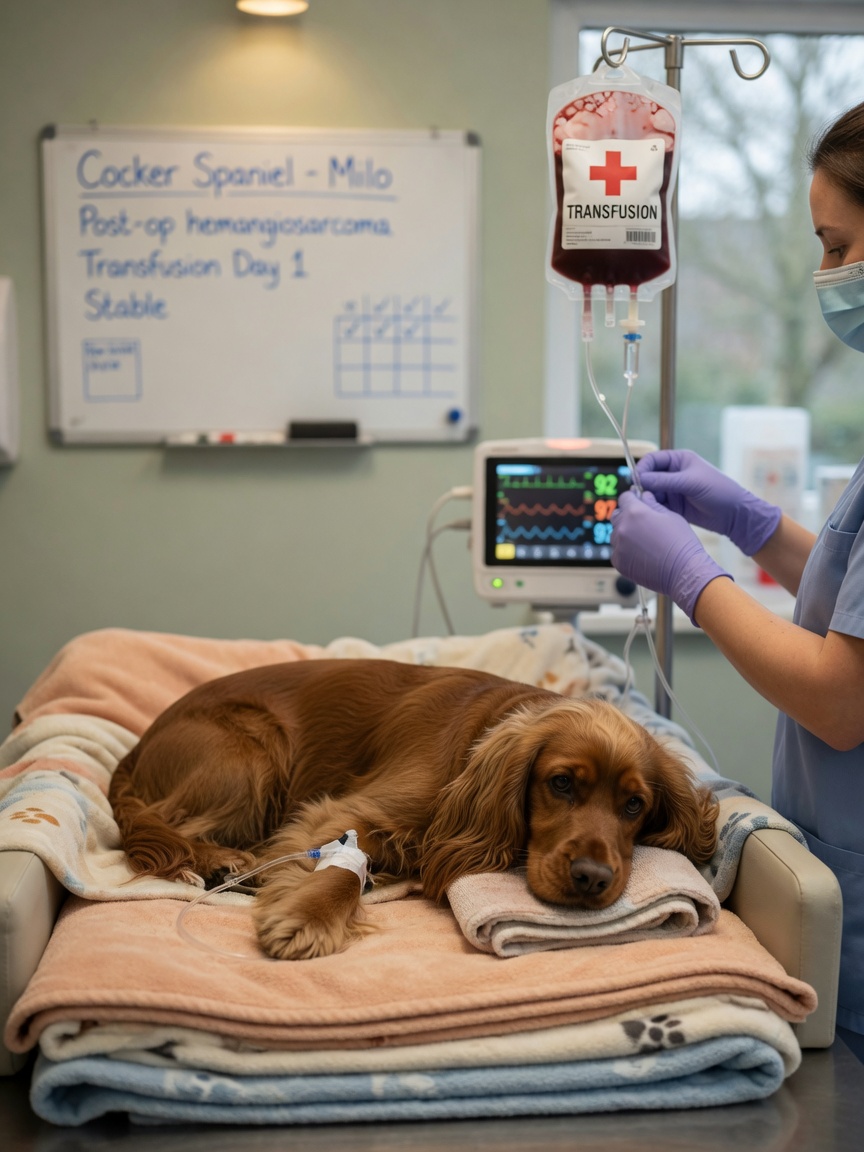
The cornerstone of IMHA treatment is immunosuppression. Corticosteroids — typically prednisolone — are started at high doses to suppress the immune attack on red blood cells. Most dogs begin to respond within days, though it can take weeks for the PCV to stabilise at a safe level.
When steroids alone are insufficient, additional immunosuppressive agents may be added, including azathioprine, mycophenolate, or cyclosporine. The choice depends on the individual dog's response and tolerance.
Supportive Care
- Blood transfusions to stabilise the PCV while awaiting the effects of immunosuppression
- Antithrombotic therapy, as IMHA carries a high risk of blood clots (thromboembolism)
- Hospitalisation for monitoring in severe cases
- Gastroprotectants to protect the stomach from high-dose steroid use
Prognosis and Long-Term Management
IMHA carries a mortality rate of approximately 20 to 40% in the acute phase, with thromboembolism being a leading cause of death in otherwise responding patients. Dogs that survive the first two weeks and achieve a stable PCV have a reasonable long-term prognosis, though relapse is possible in 10 to 15% of cases.
Immunosuppressive medication is tapered slowly — often over three to six months — guided by repeat blood counts. Stopping treatment too quickly risks relapse. Dogs that have had one episode of IMHA should be monitored for life and any future vaccinations or new medications should be discussed carefully with a veterinarian.
Key Takeaways for Dog Owners
- IMHA is a medical emergency — pale or yellow gums warrant same-day veterinary attention
- Early aggressive treatment significantly improves survival odds
- Distinguishing primary from secondary IMHA guides the treatment approach
- Antithrombotic therapy is now considered standard of care alongside immunosuppression
- Medication tapers must be gradual and supervised — never stop steroids abruptly
- Always consult your veterinarian before any changes to your dog's care plan