
A Breed Built for Endurance — and Its Health Implications
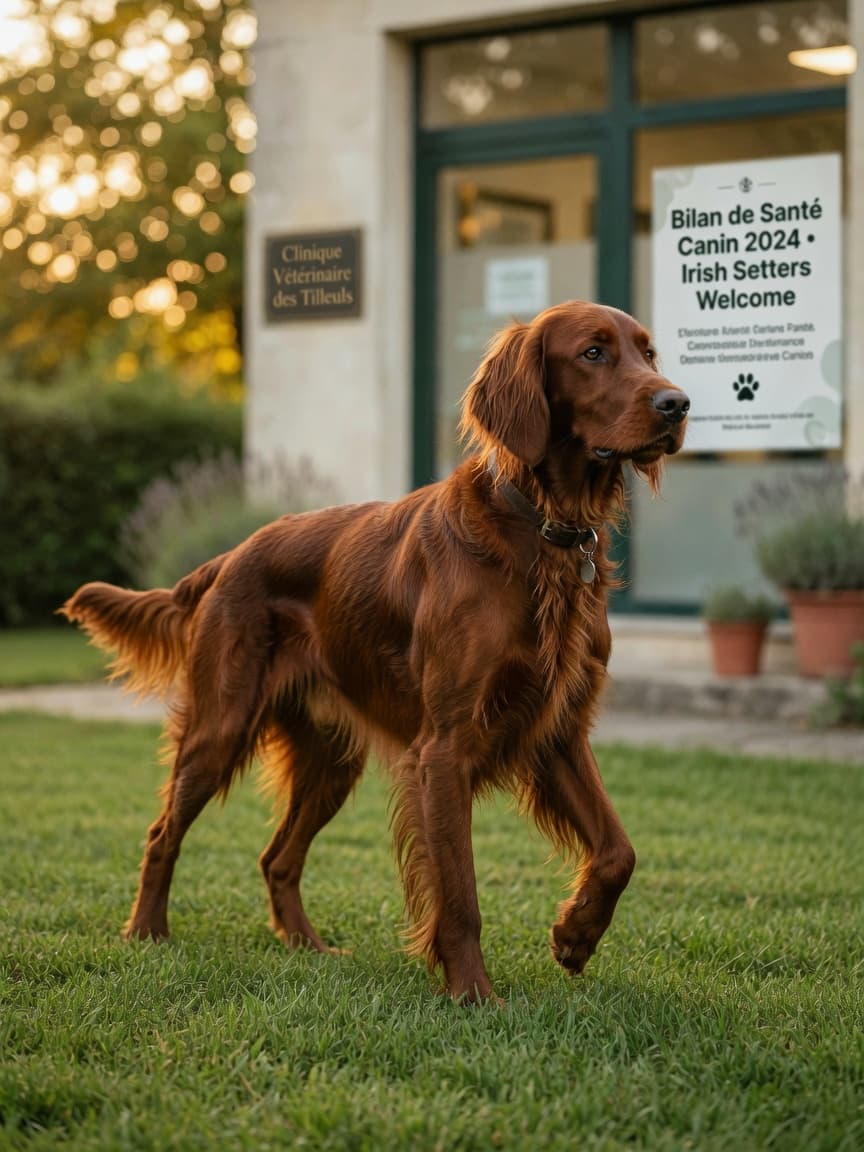
The Irish Setter is one of the most recognisable dog breeds in the world, combining a deep chestnut coat, an athletic build, and a temperament that is simultaneously enthusiastic and affectionate. Like all large, deep-chested breeds, they carry specific structural vulnerabilities. And like several other gundog breeds, they have a documented predisposition to inherited neurological conditions. Awareness of these risks gives owners the tools to act early and effectively.
Epilepsy: Inherited Seizure Disorders in Irish Setters

Idiopathic epilepsy — epilepsy with no identifiable underlying cause, presumed to be genetic — is one of the most commonly reported health concerns in Irish Setters. Onset typically occurs between six months and five years of age, and the breed is represented at higher frequency in epilepsy databases than many other breeds of comparable size.
Recognising a Seizure
Seizures vary in presentation. Generalised tonic-clonic seizures — the type most owners recognise — involve loss of consciousness, muscle rigidity, and involuntary paddling or convulsing. Focal seizures are subtler and may appear as facial twitching, repetitive chewing movements, sudden behavioural change, or a glazed, disconnected appearance. Both types require veterinary assessment.
What to Do During a Seizure
- Stay calm and note the time the seizure begins
- Do not restrain the dog or place anything in their mouth
- Remove nearby furniture or hard objects to prevent injury
- Dim lights and reduce noise if possible
- If the seizure lasts longer than five minutes, or if multiple seizures occur within 24 hours, go to an emergency vet immediately
Diagnosis and Management
A full diagnostic workup, including blood tests, urinalysis, and potentially MRI and cerebrospinal fluid analysis, is needed to rule out secondary causes before a diagnosis of idiopathic epilepsy is made. Anti-epileptic medication can significantly reduce seizure frequency in many dogs, though it requires regular monitoring of blood levels and organ function. Work closely with your vet — and consider referral to a veterinary neurologist for complex cases.
Hip Dysplasia: Protecting a Working Dog's Joints
Hip dysplasia is a developmental condition in which the hip joint does not form correctly, leading to instability, abnormal wear, and chronic pain. Irish Setters, as a large and active breed, are at meaningful risk, and the condition is exacerbated by rapid growth, excessive exercise in puppyhood, and obesity.
Reducing Risk from Puppyhood
The period between eight weeks and twelve months is critical. During this time, bones and joints are forming rapidly, and inappropriate loading can worsen genetically predisposed joints. Avoid repetitive high-impact activities — long runs, prolonged stair climbing, or jumping from heights — until growth plates close, typically around twelve to sixteen months in this breed. Controlled, moderate exercise is preferable.
Signs and Intervention
- Hind limb stiffness, particularly after rest
- Reluctance to exercise, jump, or climb stairs
- A "bunny hopping" gait when running
- Muscle loss over the hindquarters
Management ranges from weight control and physiotherapy through to surgical options including total hip replacement in severe cases. Early intervention — before significant arthritis develops — yields the best outcomes. Radiographic screening of breeding dogs is standard practice in responsible breeding programmes.
Bloat: Urgent Risk in a Deep-Chested Breed
Gastric dilatation-volvulus (GDV) — bloat — is a life-threatening condition in which the stomach fills with gas and rotates, cutting off blood supply to itself and the spleen. Irish Setters, with their narrow, deep chest conformation, are among the higher-risk breeds. Without emergency surgery, death occurs within hours. The mortality rate, even with surgical intervention, is significant.
Risk Factors
- Single large daily meal
- Rapid eating
- Vigorous exercise close to mealtimes
- Older age and male sex are associated with higher incidence
- Anxious temperament may also increase susceptibility
Signs Requiring Immediate Emergency Care
- Unproductive retching or attempting to vomit without producing anything
- Rapidly distending abdomen
- Excessive drooling and obvious distress
- Collapse or inability to stand
Prevention Strategies
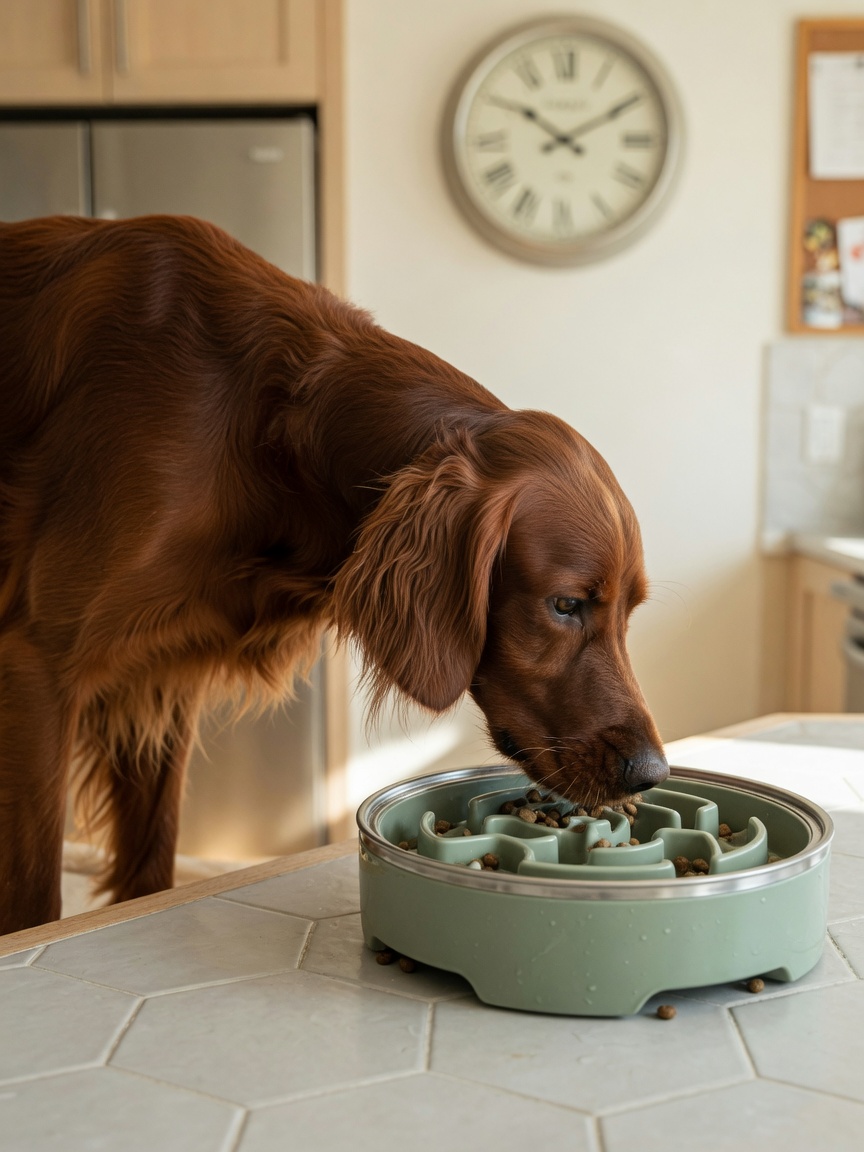
Feed two or three smaller meals daily rather than one large feeding. Use a slow-feeder bowl if your dog eats rapidly. Allow at least 60 minutes after feeding before any vigorous activity. Discuss prophylactic gastropexy with your vet — this surgical procedure, which tacks the stomach wall to prevent rotation, is increasingly recommended for high-risk breeds and can be performed alongside routine neutering.
Ongoing Health for Irish Setters
- Purchase from breeders who health-screen for hip dysplasia and record epilepsy history honestly
- Maintain a lean body weight throughout the dog's life
- Protect joints during growth — moderate exercise until skeletal maturity
- Learn to recognise seizure types and keep a diary if seizures occur
- Know your nearest emergency veterinary clinic and the signs of GDV by heart
- Annual health checks, with blood panels from middle age, help detect emerging issues early